Robotics is reshaping supply chain management from the ground up. Companies across industries are adopting robots to speed up operations, reduce costs, improve accuracy, and keep workers safer. Whether it is sorting goods in a warehouse or delivering packages to doorsteps, machines are playing a bigger role than ever before.
Warehouse Automation: Robots Taking the Lead
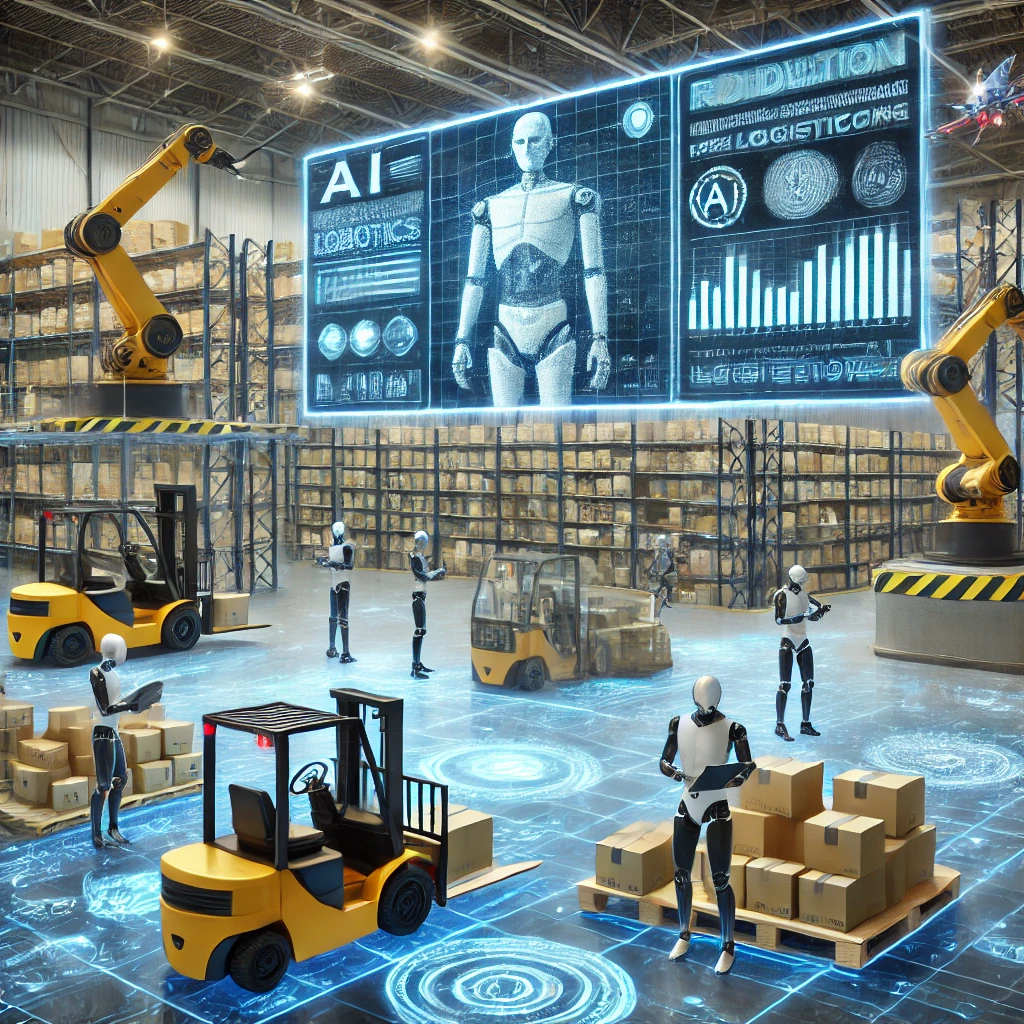
Warehouses are one of the biggest areas where robotics is making a visible difference. Robots now handle sorting, picking, and packing tasks that once required large teams of workers. Autonomous Guided Vehicles (AGVs) and Autonomous Mobile Robots (AMRs) move goods across warehouse floors without human guidance, reducing delays and errors.
- Robots improve speed and accuracy in inventory handling tasks.
- Machines operate around the clock, eliminating human fatigue and slowdowns.
- AGVs and AMRs reduce dependence on manual labour for internal transport.
This shift allows warehouse managers to focus their human workforce on tasks that require judgment and problem-solving rather than repetitive physical work.
Faster Order Fulfillment for E-Commerce and Retail
In the world of e-commerce and retail, delivery speed directly affects customer satisfaction. Robots are helping businesses pick and pack orders much faster than traditional methods. They work alongside human staff, creating a more efficient fulfillment process overall.
- Robots help pack and ship orders at a significantly higher pace.
- Automated picking reduces errors in order fulfillment.
- Faster processing leads to shorter delivery windows and happier customers.
For large e-commerce platforms handling thousands of orders daily, robotic fulfillment systems are no longer optional — they are a competitive necessity.
Material Handling and Worker Safety
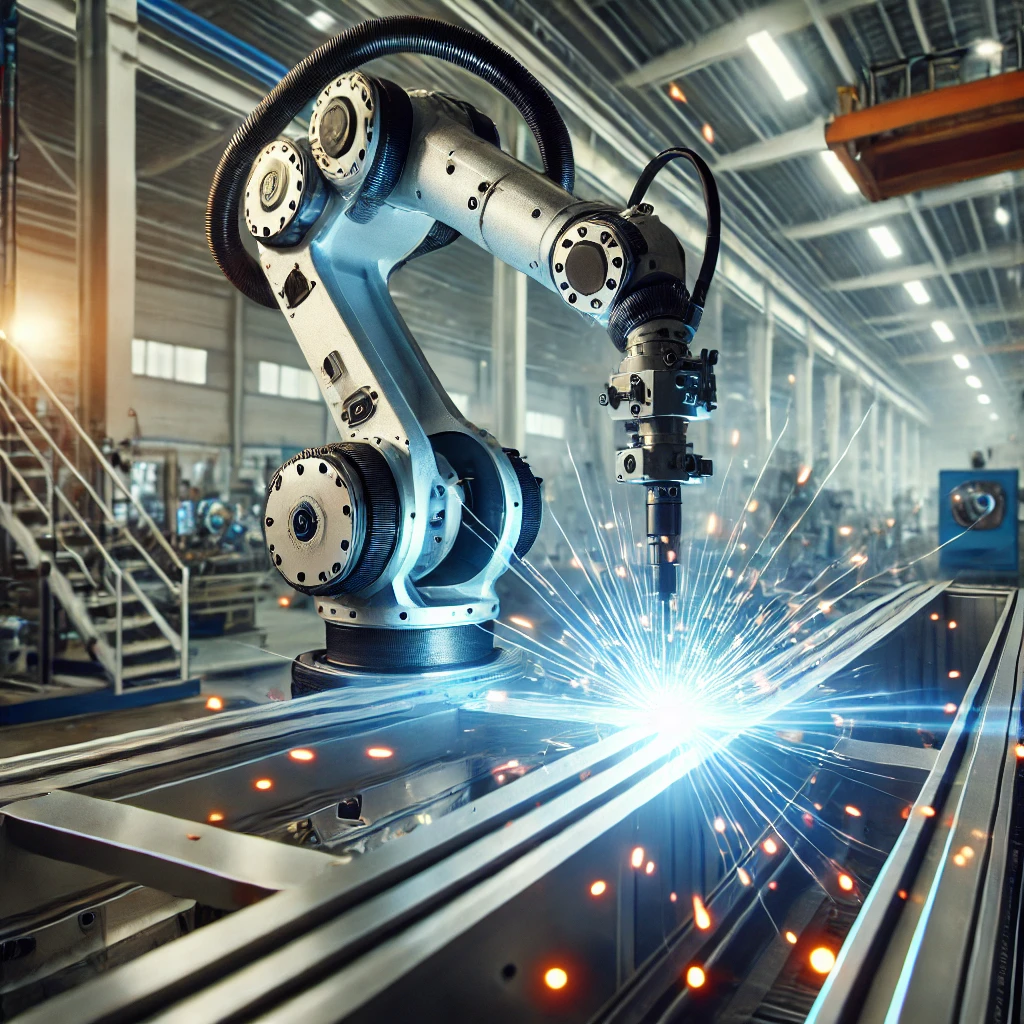
Moving heavy loads in warehouses and factories has always been a risk for workers. Robotic arms and conveyor systems are now built specifically to handle large, heavy, or awkward items safely and consistently. By taking over physically demanding and dangerous tasks, robots help reduce workplace injuries significantly.
- Robotic arms handle heavy lifting that would otherwise strain or injure workers.
- Conveyor systems move materials continuously without fatigue.
- Workers can shift their focus to higher-value, lower-risk responsibilities.
This not only protects employees but also reduces costs related to workplace injuries, insurance claims, and downtime.
Real-Time Inventory Tracking and Accuracy
One of the most practical benefits of robotics in supply chains is improved inventory management. Robots equipped with sensors monitor stock levels in real time, giving businesses accurate data to make quick restocking decisions. This reduces the risk of overstocking or running out of products — both of which can hurt profitability.
| Challenge | Traditional Method | Robotic Solution |
|---|---|---|
| Stock tracking | Manual counting, prone to errors | Real-time sensor-based monitoring |
| Restocking decisions | Delayed, based on periodic audits | Instant alerts and automated triggers |
| Order accuracy | Human error possible | High precision with automated picking |
Last-Mile Delivery and Collaborative Robots (Cobots)
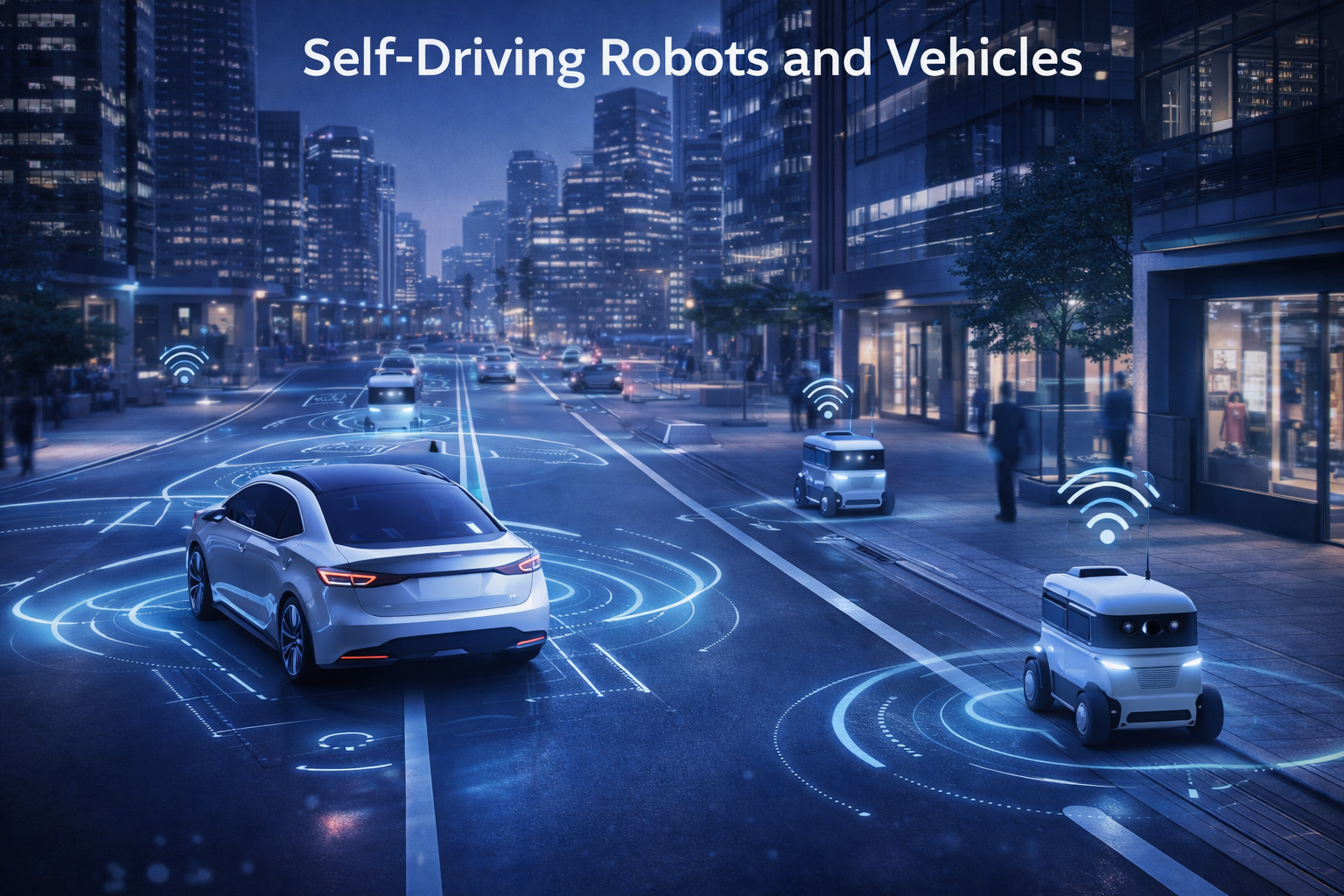
Robotics is also changing how goods reach customers. Companies are testing delivery drones and autonomous delivery vehicles to speed up last-mile logistics — the final and often most expensive leg of the delivery journey. These technologies help businesses meet growing customer expectations for same-day or next-day delivery.
- Drones and self-driving vehicles reduce last-mile delivery times.
- Autonomous transport lowers fuel and labour costs over time.
- Robotic delivery is especially useful in dense urban areas and remote locations.
Alongside delivery robots, collaborative robots — or cobots — are gaining ground inside warehouses and factories. Unlike traditional industrial robots that operate in isolation, cobots are designed to work directly alongside human employees. They assist with repetitive tasks like packaging, palletizing, and loading, freeing up workers for more complex duties.
- Cobots increase productivity without replacing the human workforce entirely.
- They handle repetitive, low-skill tasks so humans can focus on strategic work.
- Cobots improve both efficiency and workplace safety when deployed correctly.
The combination of delivery robots, cobots, and warehouse automation is creating a supply chain that is faster, safer, and more cost-effective than what was possible even five years ago.
Robotics is no longer a future concept for supply chain management — it is an active and growing reality. Businesses that adopt these technologies early are gaining measurable advantages in speed, accuracy, and cost control. As robotic systems become more affordable and accessible, their role in supply chains across India and globally will only continue to grow.
Frequently Asked Questions
Supply chains use several types of robots including Autonomous Guided Vehicles (AGVs), Autonomous Mobile Robots (AMRs), robotic arms for material handling, collaborative robots (cobots) for packaging and palletizing, and delivery drones for last-mile logistics.
Robots equipped with sensors monitor stock levels in real time, providing accurate and up-to-date inventory data. This helps businesses make faster restocking decisions and reduces the risk of overstocking or running out of products.
Robots do take over repetitive and physically demanding tasks, but collaborative robots (cobots) are specifically designed to work alongside human employees. They handle routine work so that human workers can focus on more complex, strategic, and creative responsibilities.