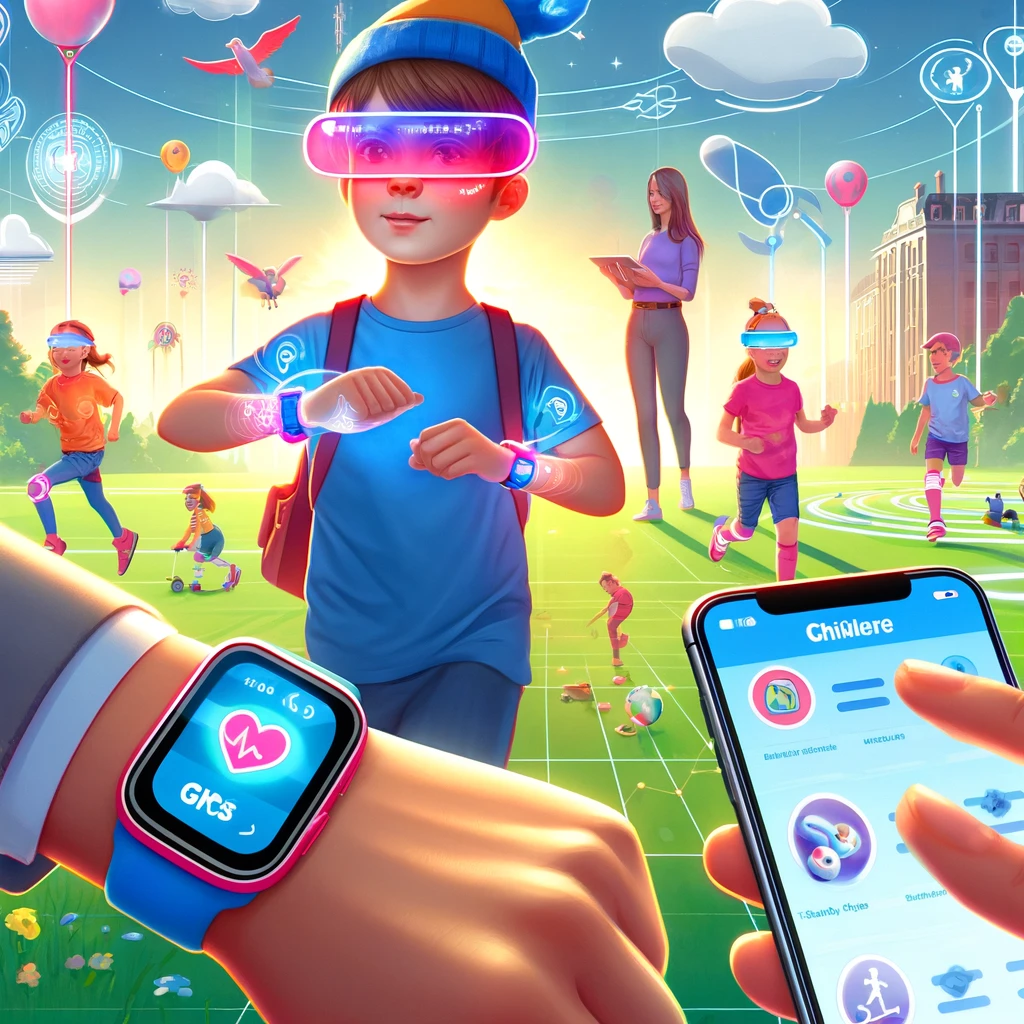
Wearable technology is no longer just for adults. A growing number of parents across India and globally are turning to kid-friendly wearables to keep their children safe, active, and entertained. From GPS-enabled smartwatches to activity trackers with fun reward systems, these devices are quietly becoming a staple of modern parenting. Here is a close look at what these gadgets offer and why they matter.
GPS Watches: Real-Time Safety for Parents and Kids
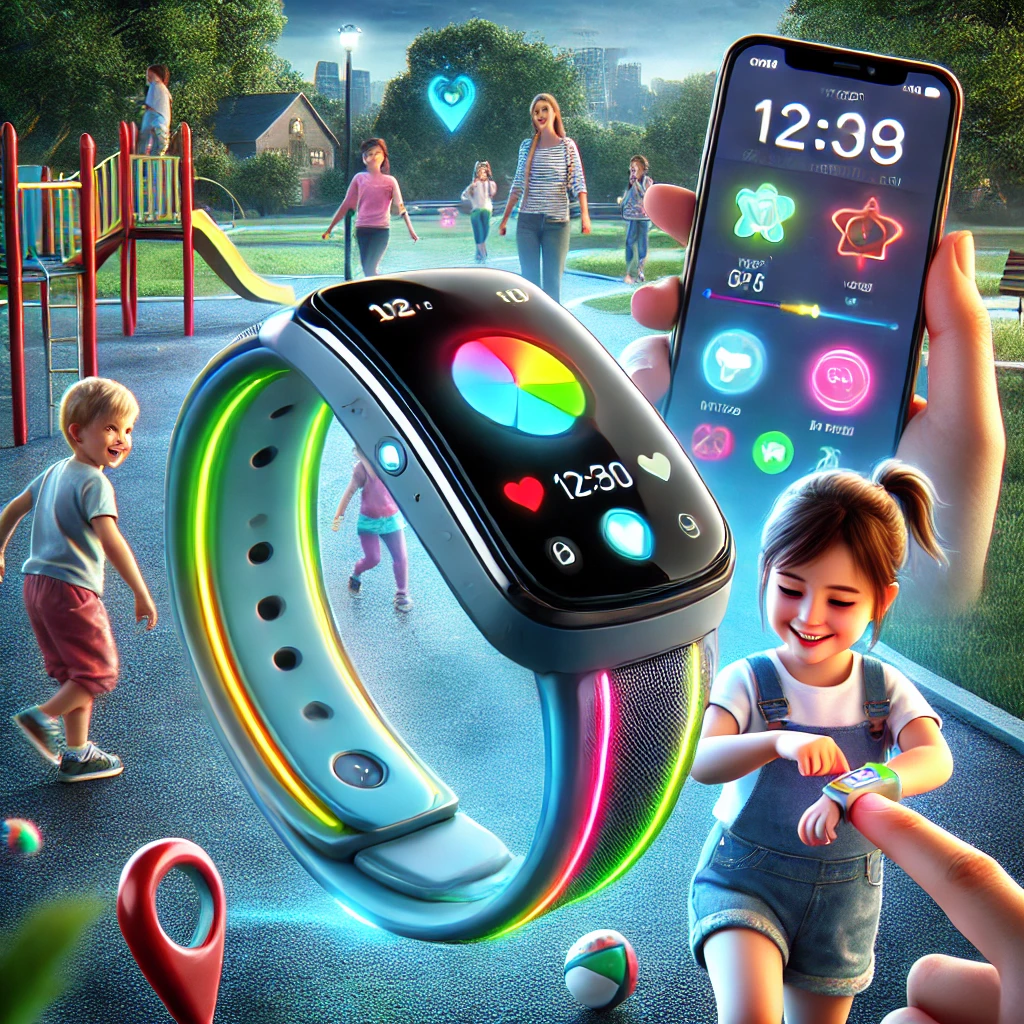
For most parents, knowing where their child is at any given moment brings enormous peace of mind. Kid-focused GPS watches are built exactly for this purpose. They allow parents to track their child’s location in real time through a connected smartphone app.
One of the most useful features is geofencing. Parents can mark specific safe zones — such as home, school, or a friend’s house — and receive an instant alert if their child steps outside those boundaries. This is especially helpful for younger children who travel independently for the first time.
Many GPS watches also include an SOS button. In an emergency, a child can press this button to immediately send an alert to a parent or guardian. This single feature alone has made GPS watches popular among parents of school-going children.
- Real-time location tracking through a parent app
- Geofencing alerts when a child leaves a set safe zone
- Emergency SOS button for quick help
- Durable, child-friendly designs built to handle rough use
Fitness Trackers: Building Healthy Habits from a Young Age
With screen time rising among children, encouraging physical activity has become a genuine challenge for many families. Kid-friendly fitness trackers offer a practical and engaging solution.
These devices count steps, monitor daily activity levels, and track sleep patterns. What makes them especially effective for children is the use of gamification. Many trackers include challenges, badges, and reward systems that turn physical activity into something children actually look forward to.
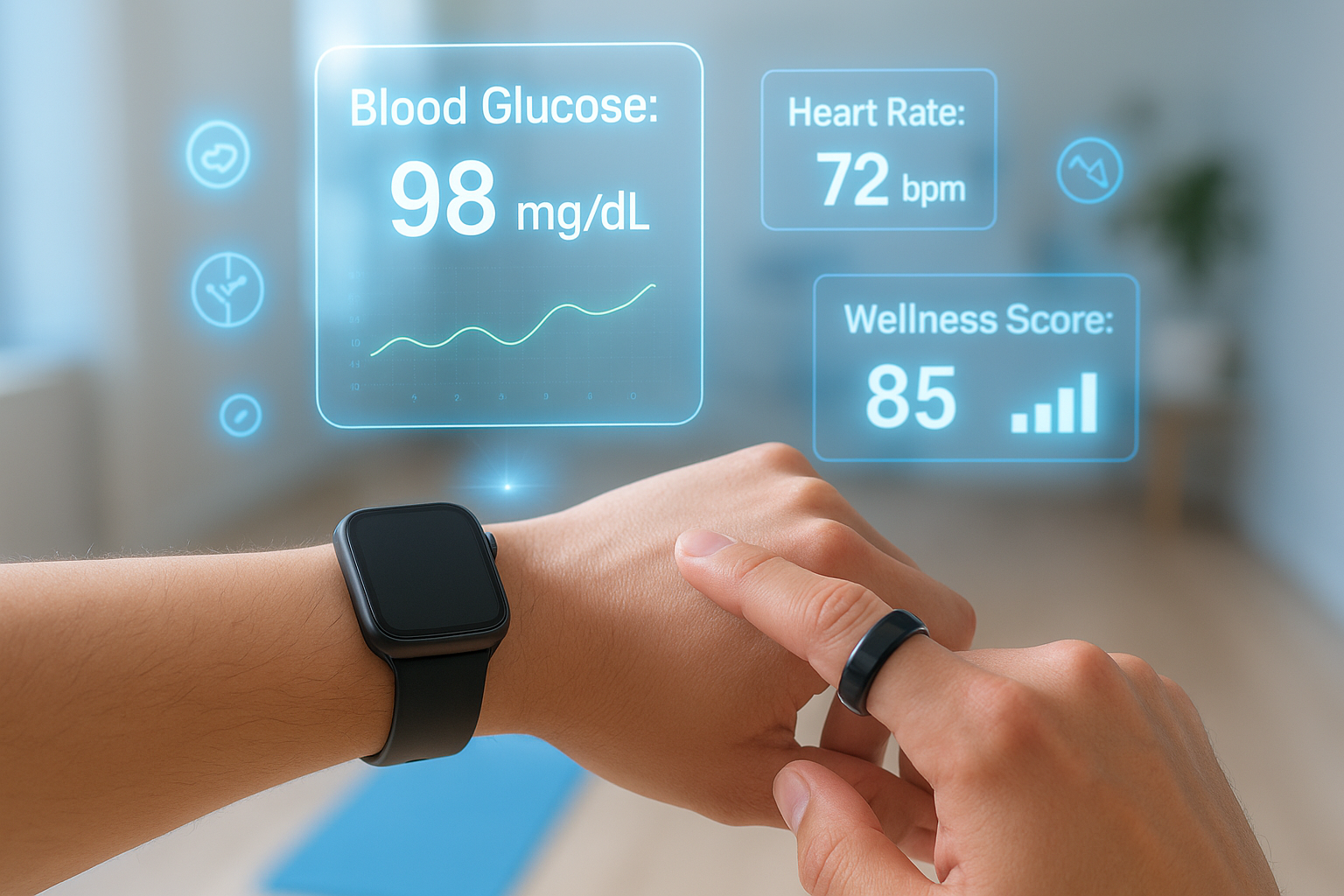
Parents can connect to a companion app to monitor their child’s activity data, check sleep quality, and set daily movement goals. This makes it easier to spot patterns — for example, whether a child is getting enough rest on school nights or staying active during weekends.
- Step counting and daily activity monitoring
- Sleep tracking to support healthy routines
- Challenges and rewards that make fitness fun
- Parent app access for activity insights and goal setting
Fun Features That Keep Kids Engaged
Beyond safety and fitness, many kids’ smartwatches are genuinely entertaining. This is important because children are far more likely to wear a device consistently if they enjoy using it.
Popular fun features include customisable watch faces, simple built-in games, and the ability to send voice messages, emojis, or photos to approved family contacts. Some models even include a small built-in camera, letting children take photos and record short videos directly from their wrist.
These features keep children engaged with the device without exposing them to the open internet or social media, making them a safer alternative to smartphones for younger age groups.
- Customisable watch faces and simple games
- Voice messages and emoji sharing with family contacts
- Built-in cameras for photos and short videos
- Closed communication systems that limit contact to approved people only
Parental Controls: Staying in Charge Without Hovering
One of the strongest selling points of kids’ wearables is the level of parental control they offer. Most devices come with dedicated parent apps that allow caregivers to manage the device remotely without needing to physically handle it.
Parents can set screen time limits, control which apps or features are accessible, and review usage history. This helps strike a balance — children get to enjoy their wearable independently, while parents retain oversight without constant supervision.
| Feature | Benefit for Kids | Benefit for Parents |
|---|---|---|
| GPS Tracking | Freedom to move independently | Real-time location visibility |
| Fitness Tracking | Fun activity goals and rewards | Monitor health and sleep data |
| Entertainment Features | Games, messages, and camera | Safe, controlled communication |
| Parental Controls | Age-appropriate device use | Screen time and app management |
Are Kids’ Wearables Worth It? Key Things to Consider
Before buying a wearable for your child, it helps to think about a few practical points:
- Age suitability: Most GPS watches and fitness trackers are designed for children aged 4 to 12. Check the manufacturer’s recommended age range.
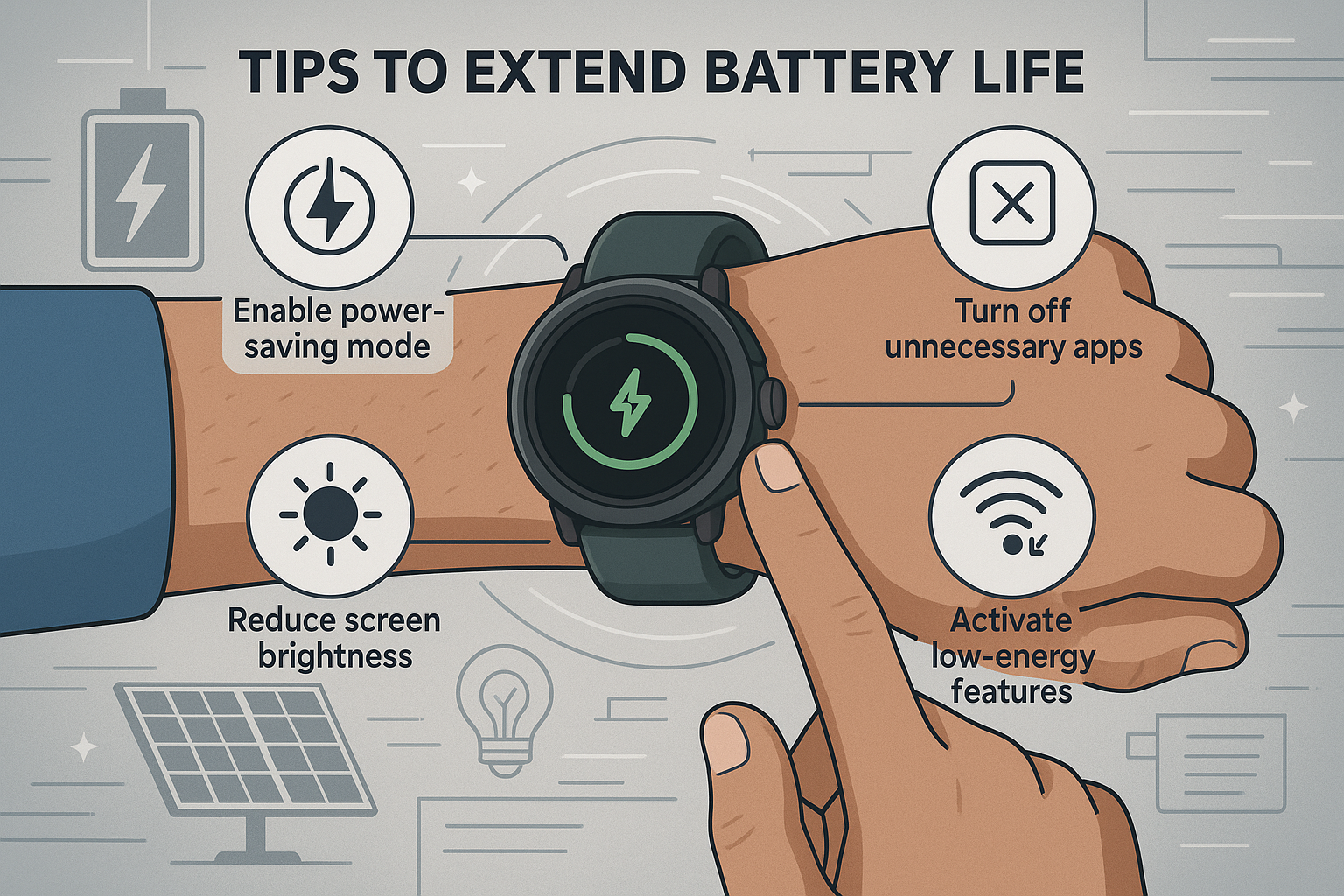
- Battery life: Kids are unlikely to remember to charge their device daily, so longer battery life is a practical advantage.
- Durability: Look for water-resistant or waterproof models that can handle playground activity.
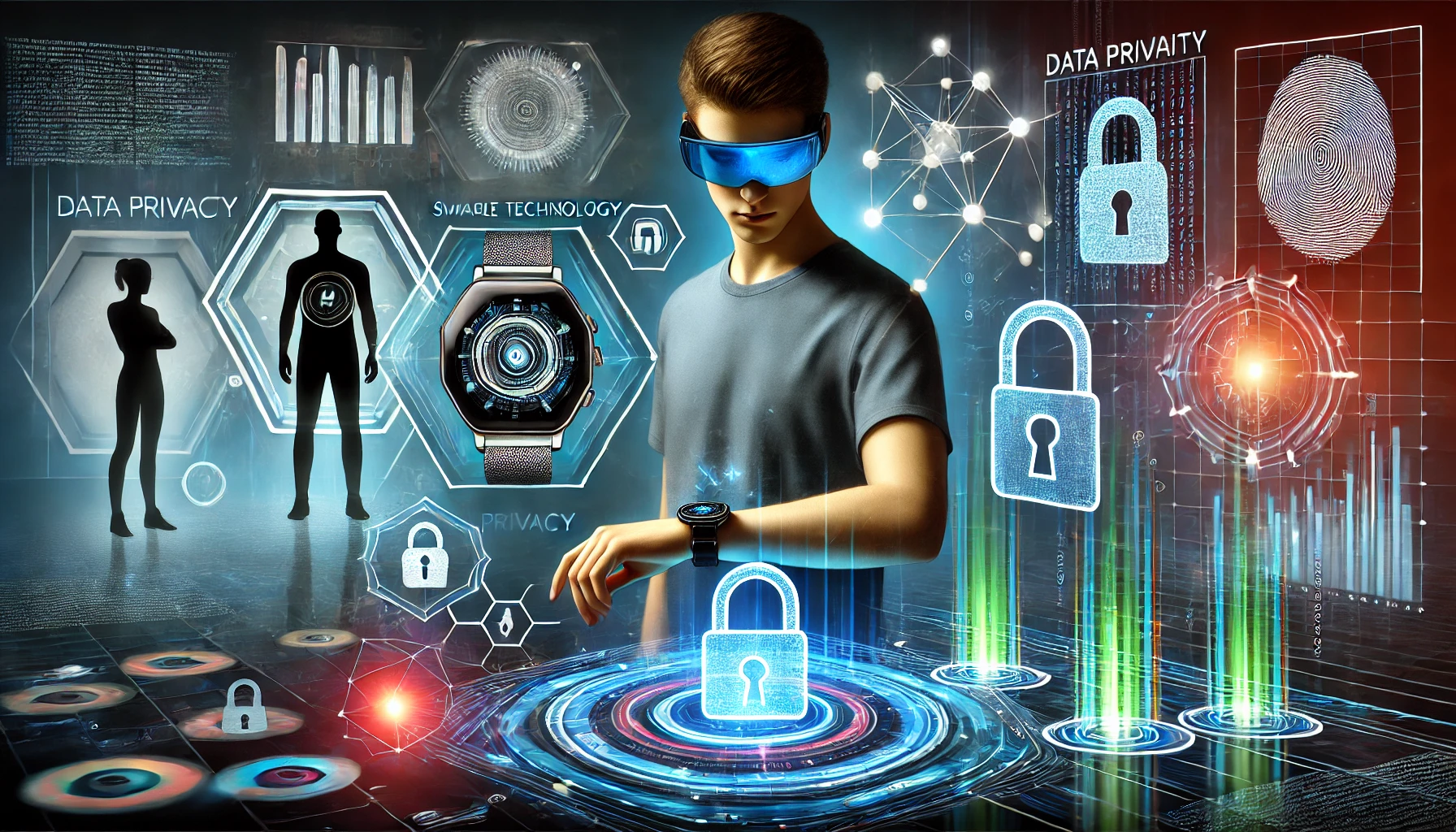
- Data privacy: Since these devices collect location and health data, check the brand’s privacy policy carefully before purchase.
- Subscription costs: Some GPS watches require a monthly SIM or data plan to function. Factor this into the total cost.
Wearables for kids have come a long way in a short time. When chosen thoughtfully, they can genuinely support a child’s safety, physical health, and daily routine while giving parents a practical tool to stay connected without being intrusive. As this category continues to grow, the options available to Indian families are only going to improve.