Businesses across the world are struggling to find enough workers to keep operations running. From manufacturing floors to hospital corridors, the labor shortage has become one of the most pressing challenges companies face today. Robotics is emerging as a practical and long-term answer to this problem, helping industries stay productive even when human workers are hard to find.
Why Labor Shortages Are Getting Worse
The workforce gap is not a new problem, but it has grown sharper in recent years. Several factors are driving this trend:
- Aging workforce: In many countries, a large portion of experienced workers are retiring, leaving gaps that are difficult to fill quickly.
- High turnover rates: Jobs that are physically demanding, repetitive, or involve long hours see frequent employee exits.
- Seasonal demand spikes: Industries like agriculture and retail face sudden surges in labor needs that the available workforce cannot always meet.
- Migration and demographic shifts: Population movement and declining birth rates in several regions are shrinking the working-age population.
These challenges slow down production, increase pressure on existing staff, and limit a company’s ability to grow. Businesses that once relied entirely on human labor are now looking at robotics as a dependable alternative.
What Robots Can Do That Humans Prefer Not To
A significant portion of unfilled jobs fall into what industry experts call the “dirty, dull, and dangerous” category. These are roles that most job seekers actively avoid. Robots are well-suited to handle exactly these types of tasks.
- Heavy lifting and material handling in warehouses and factories
- Working in extreme temperatures, such as cold storage units or near furnaces
- Handling toxic or hazardous materials in chemical and pharmaceutical plants
- Performing repetitive assembly or packing tasks for hours without error
- Cleaning large spaces in retail stores, hospitals, and public areas
By taking over these roles, robots reduce the physical risk to human workers and help create a safer overall work environment. This also makes the remaining human jobs more attractive and manageable.
Cobots and Humans: Working Together, Not Against Each Other
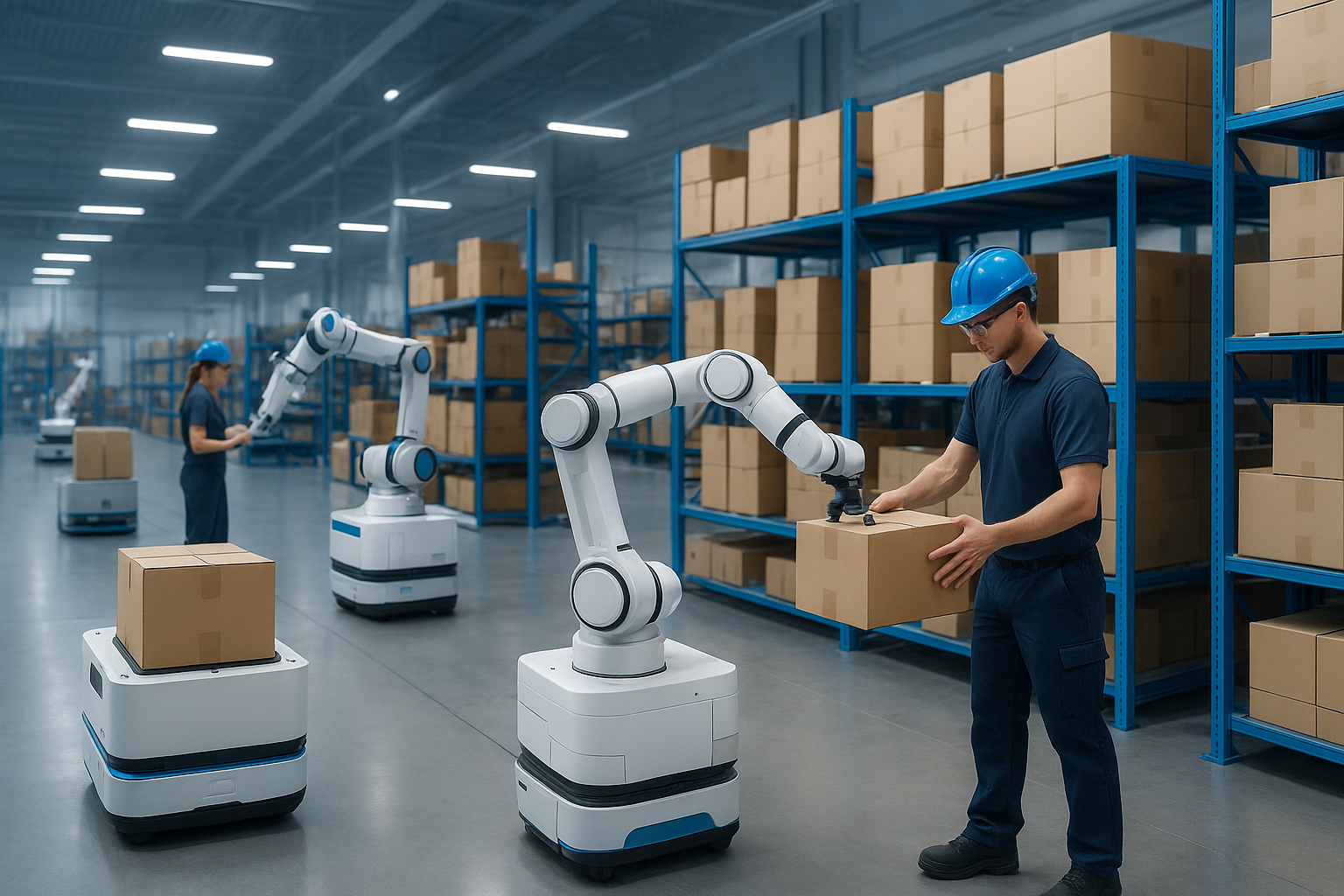
A common concern about robotics is that machines will replace human jobs entirely. However, the reality is quite different. Collaborative robots, or cobots, are specifically designed to work alongside people rather than replace them. These robots assist workers by handling the physically demanding or time-consuming parts of a task, freeing up humans to focus on work that requires judgment, creativity, and communication.
For example, in a warehouse, a cobot might carry heavy boxes while a human worker handles customer queries or manages inventory decisions. This kind of human-robot teamwork leads to higher productivity, lower injury rates, and greater job satisfaction among employees.
Industries Already Benefiting from Robotics
Several sectors have already adopted robotics to address their workforce challenges. Here is a quick look at how different industries are using this technology:
| Industry | How Robots Are Being Used |
|---|---|
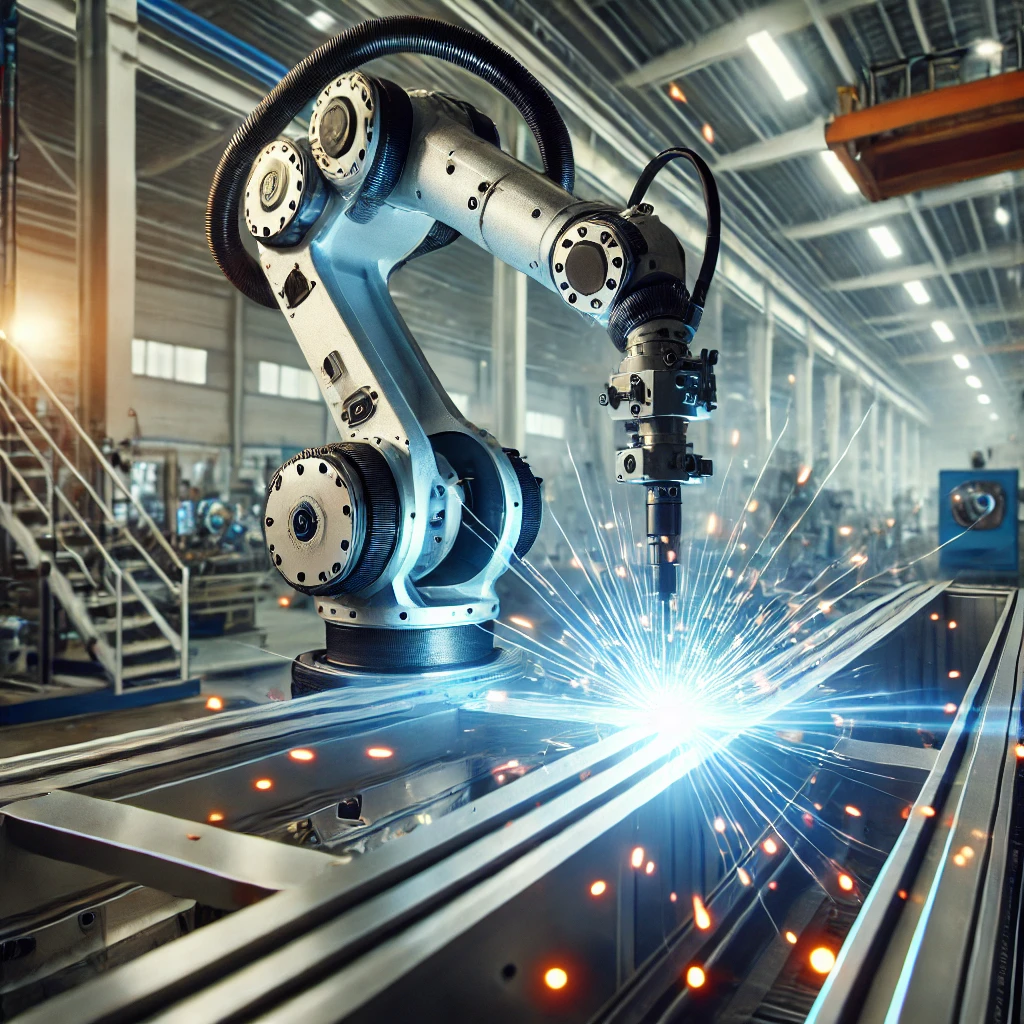
| Manufacturing | Assembling parts, welding, packing, and quality inspection |
| Warehousing and Logistics | Autonomous mobile robots (AMRs) moving goods and tracking inventory |
| Agriculture | Harvesting, planting, and sorting farm produce |
| Retail | Cleaning robots and digital assistants reducing staff workload |
| Healthcare | Medication delivery, sanitation, and surgical assistance |
Each of these sectors faces unique labor challenges, and robotics is being tailored to meet those specific needs effectively.
Robotics-as-a-Service: Making Automation Accessible for Smaller Businesses
One of the biggest barriers for small and medium-sized businesses has always been the high upfront cost of buying and maintaining robots. This is changing with the rise of Robotics-as-a-Service (RaaS). Under this model, companies can access robotic systems on a subscription basis, similar to how software is licensed today.
RaaS lowers the financial risk and makes it possible for smaller businesses to adopt automation without a massive capital investment. As robotics technology continues to improve and become more affordable, adoption rates are expected to rise sharply across all business sizes.
The long-term benefits of bringing robots into operations include:
- Lower operational costs over time
- Higher accuracy and consistency in output
- Faster scaling without dependency on hiring timelines
- Safer and more hygienic work environments
- Stable production even during workforce disruptions
The Road Ahead for Robotics and the Workforce
The relationship between humans and robots in the workplace is still evolving. As labor shortages continue to affect industries globally, the role of automation will only grow stronger. The goal is not to eliminate human workers but to build a workforce model where robots handle the tasks that machines do best, and humans focus on what they do best — thinking, connecting, and creating.
Companies that invest in robotics today are not just solving an immediate staffing problem. They are building a more resilient and future-ready operation that can adapt to workforce changes without losing productivity or quality.
The future of work will be defined by how well humans and robots collaborate. Businesses that embrace this partnership early will be better positioned to grow, compete, and thrive in an increasingly automated world.