Industries across the world are under growing pressure to cut carbon emissions and adopt sustainable practices. Automation has emerged as one of the most practical tools to help businesses achieve these goals — not just by improving efficiency, but by actively reducing waste, energy consumption, and harmful emissions at every stage of production and delivery.
How Automation Cuts Energy Consumption in Manufacturing
One of the clearest benefits of automation is its ability to optimize energy use in real time. Smart machines and automated control systems adjust power consumption based on actual demand, ensuring that energy is never wasted during low-activity periods.
In manufacturing plants, automated systems monitor and regulate energy-heavy equipment, switching off or scaling down operations when full capacity is not needed. This leads to significant reductions in electricity bills and, more importantly, a lower carbon footprint for the facility.
- Automated sensors detect idle equipment and reduce power use automatically.
- Energy management systems track consumption patterns and flag inefficiencies.
- Smart HVAC and lighting systems in factories adjust based on occupancy and production schedules.
Precision Robotics and Waste Reduction in Production
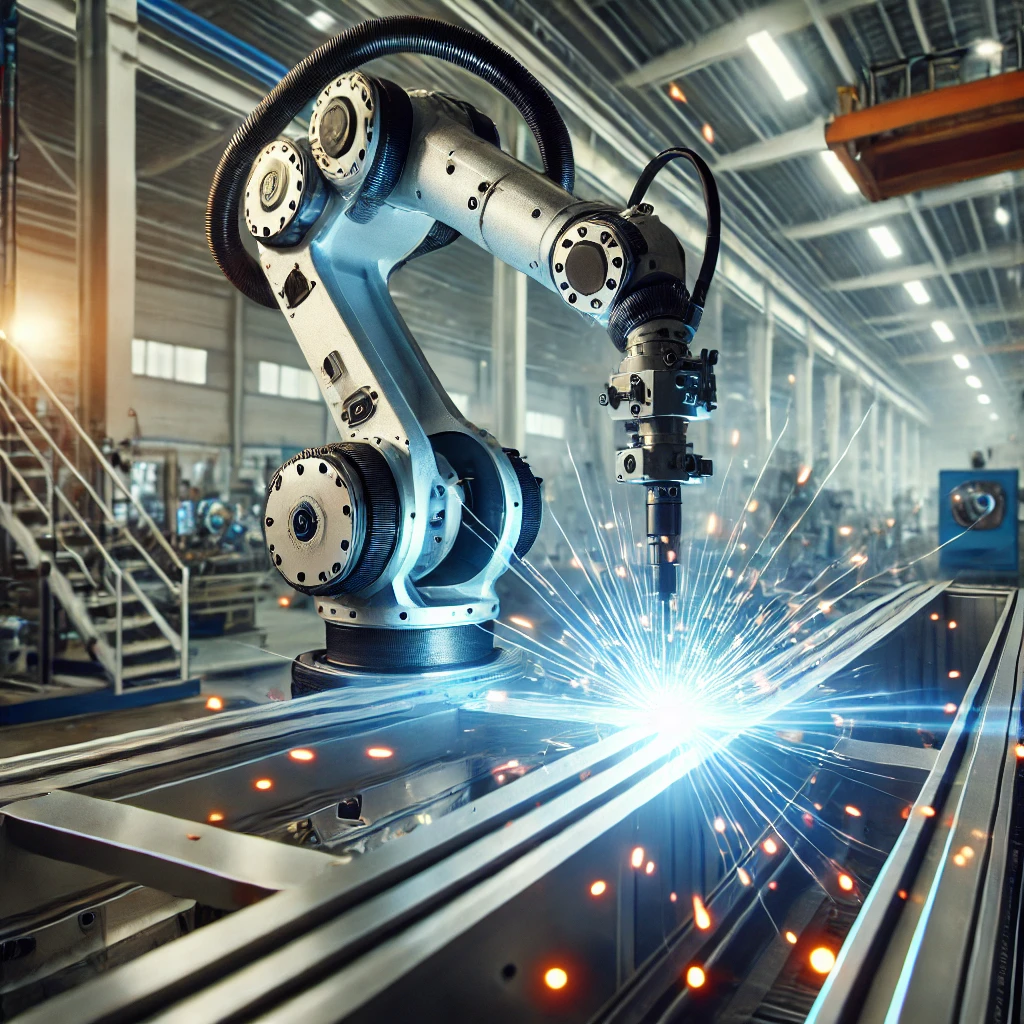
Robots perform repetitive tasks with a level of accuracy that humans simply cannot match consistently. This precision directly translates into less material waste on the production floor. When machines cut, assemble, or process raw materials with minimal error, fewer resources are discarded.
Automated quality control systems also catch defects early in the production cycle, preventing faulty products from consuming more energy and materials further down the line. The result is a leaner, cleaner manufacturing process that uses resources more responsibly.
Advanced sorting systems in recycling facilities are another example. These automated systems separate recyclable materials far more efficiently than manual sorting, improving material recovery rates and supporting a circular economy.
Smarter Logistics and Lower Greenhouse Gas Emissions
Transportation and logistics are major contributors to global carbon emissions. Automation addresses this by optimising delivery routes, reducing unnecessary trips, and improving the overall efficiency of supply chains.
Automated warehouse management systems ensure that goods are stored and retrieved with minimal movement, cutting down on fuel use from internal transport equipment like forklifts. Smart tracking systems provide real-time visibility into shipments, allowing companies to consolidate deliveries and avoid empty return trips.
- Route optimisation software reduces fuel consumption for delivery fleets.
- Automated warehouses lower energy use compared to manually operated facilities.
- Predictive logistics tools help companies plan shipments more efficiently, reducing last-minute and wasteful deliveries.
Smart Grids and Renewable Energy Integration
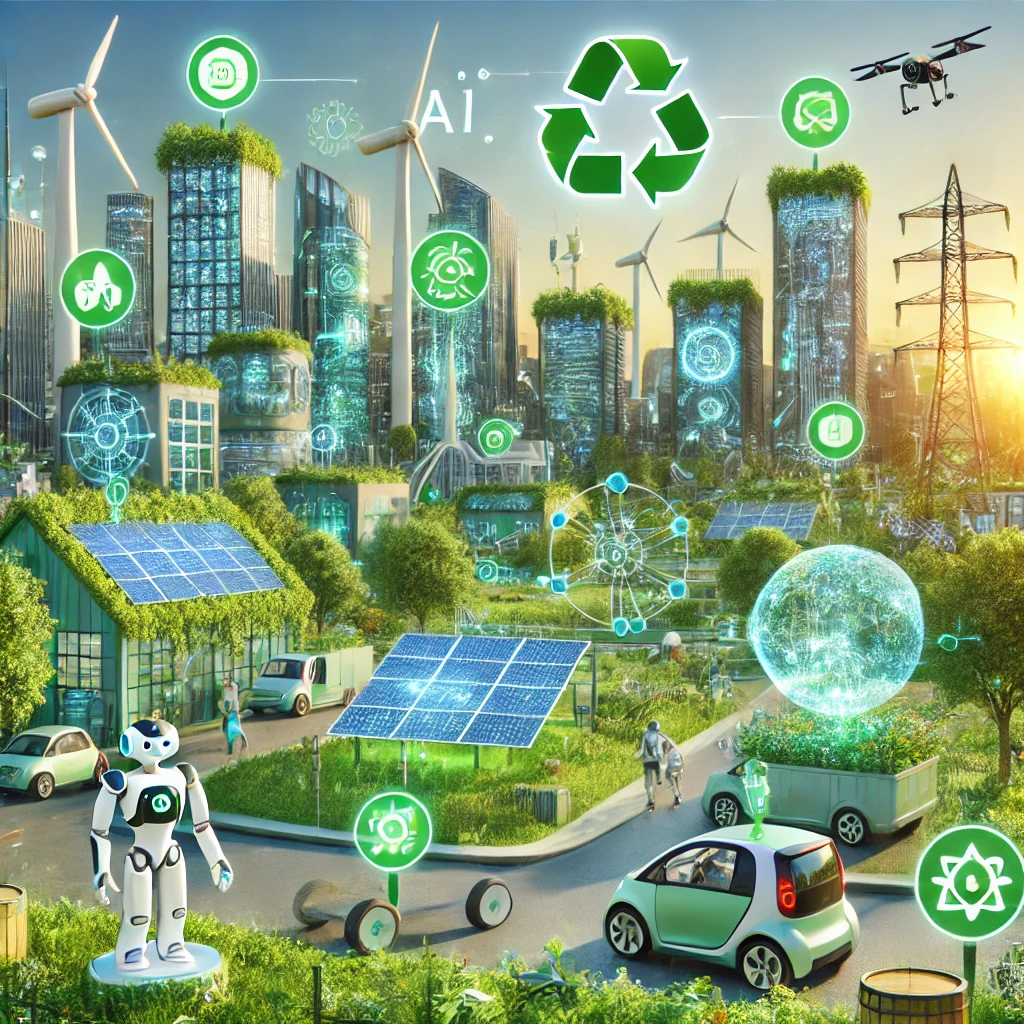
Automation plays a central role in managing smart energy grids — the networks that distribute electricity across cities and regions. These grids use automated systems to balance supply and demand in real time, making it possible to integrate renewable energy sources like solar and wind power more effectively.
Without automation, managing the variable output of renewable sources would be extremely difficult. Automated grid management ensures that clean energy is used whenever it is available, reducing dependence on fossil fuel-based power generation.
| Area of Application | Environmental Benefit |
|---|---|
| Manufacturing | Reduced energy use and material waste |
| Logistics | Lower fuel consumption and fewer emissions |
| Smart Grids | Better integration of solar and wind energy |
| Agriculture | Efficient use of water and fertilizers |
| Recycling | Higher material recovery and less landfill waste |
Sustainable Agriculture and Environmental Monitoring Through Automation
Farming is one of the largest consumers of water and chemical inputs globally. Automated irrigation systems deliver water precisely where and when crops need it, cutting water waste significantly compared to traditional flood irrigation methods. Automated fertilizer dispensers apply nutrients in the right quantities, reducing chemical runoff that harms soil and water bodies.
Beyond agriculture, automated environmental monitoring systems allow businesses across all sectors to track their energy use, water consumption, and emissions in real time. This data helps companies identify areas where they can improve, set measurable sustainability targets, and report their progress accurately to regulators and stakeholders.
- Automated soil sensors guide irrigation decisions, saving water.
- Drone-based crop monitoring reduces the need for chemical treatments by targeting only affected areas.
- Emissions tracking dashboards give companies clear visibility into their carbon output.
Automation is not a distant solution to the climate challenge — it is already working across industries to make operations cleaner, leaner, and more responsible. As businesses continue to adopt automated systems, the cumulative impact on carbon emissions and resource conservation will only grow stronger. For companies serious about sustainability, investing in automation is one of the most practical steps they can take today.
Frequently Asked Questions
Automation reduces carbon emissions in manufacturing by optimising energy use in real time, minimising material waste through precision robotics, and enabling cleaner production processes that consume fewer resources overall.
Automated smart grid systems balance electricity supply and demand in real time, making it easier to integrate variable renewable energy sources like solar and wind power while reducing dependence on fossil fuels.
Yes. Automated irrigation systems deliver water precisely where crops need it, reducing water waste. Automated fertilizer dispensers apply the right quantities of nutrients, cutting chemical runoff and environmental harm.