Paying for your morning coffee with a tap of your wrist or a flick of your finger is no longer science fiction. Wearable payment devices — from smartwatches to NFC-enabled rings — are quietly changing how millions of people handle everyday transactions. Here is everything you need to know about this growing trend.
What Are Wearable Payment Devices?
Wearable payment devices are gadgets you wear on your body that allow you to make contactless payments without reaching for a wallet, card, or phone. The most common types include:
- Smartwatches — such as the Apple Watch or Samsung Galaxy Watch
- Fitness trackers — like Fitbit devices with payment support
- Smart rings — compact NFC-enabled rings designed purely for payments
These devices use the same contactless technology found in modern credit and debit cards, making them compatible with most payment terminals already in use at stores, restaurants, and transit systems.
How Do Wearable Payments Actually Work?
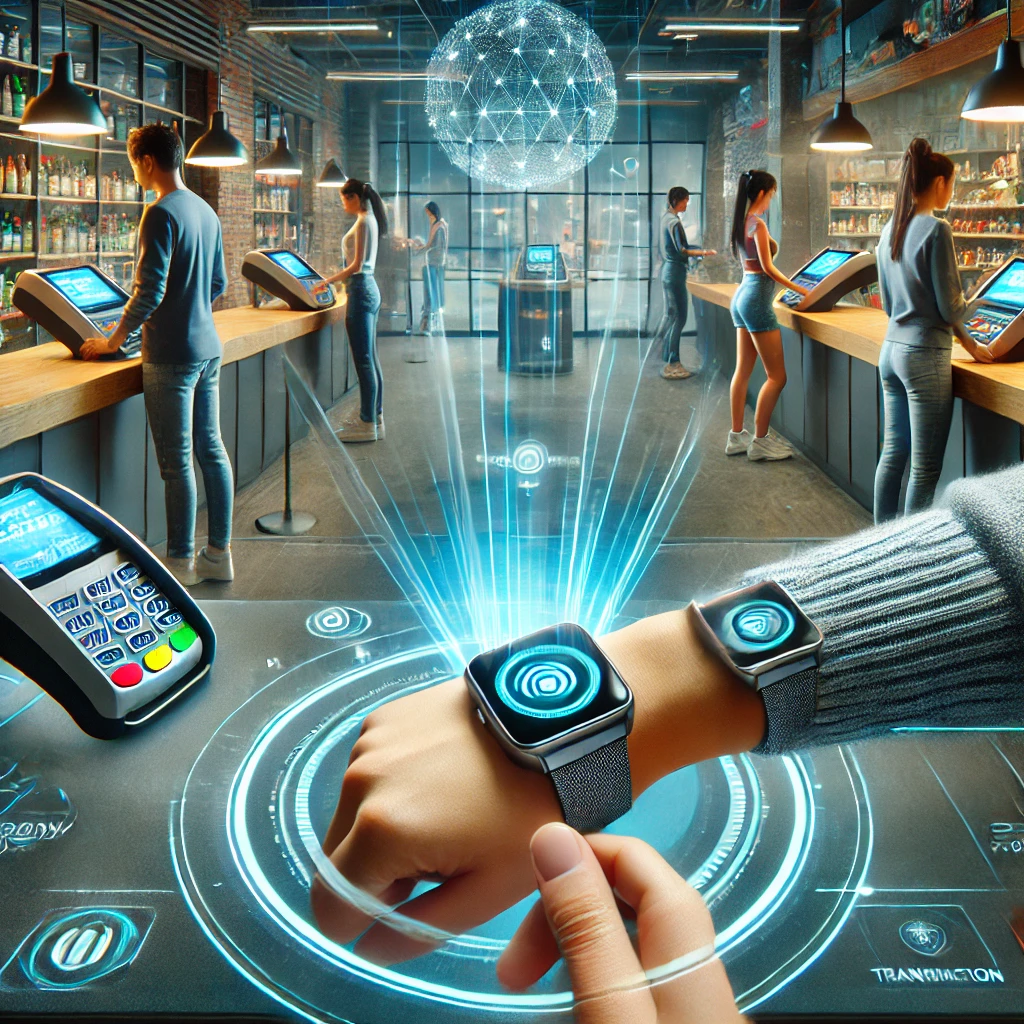
The technology powering wearable payments is called Near Field Communication (NFC). When you hold your wearable close to a payment terminal — usually within a few centimetres — the device transmits your payment information wirelessly. No swiping, no inserting, no PIN entry at the terminal in most cases.
Most wearable payment devices are linked to digital wallets such as Apple Pay, Google Pay, or Samsung Pay. These wallets store your card details in an encrypted format, so your actual card number is never shared with the merchant during a transaction.
Here is a quick comparison of popular wearable payment platforms:
| Device Type | Supported Wallet | Security Feature |
|---|---|---|
| Apple Watch | Apple Pay | Wrist detection, PIN |
| Samsung Galaxy Watch | Samsung Pay | PIN, fingerprint via phone |
| Fitbit Sense / Versa | Google Pay | 4-digit PIN on device |
| NFC Smart Ring | Varies by brand | Physical possession required |
Why Wearable Payments Are More Convenient Than Cards
The biggest advantage of wearable payment devices is pure convenience. Consider these everyday situations where they make a real difference:
- During a morning run when you want to grab a bottle of water or a coffee
- At the gym where carrying a wallet is impractical
- While commuting on public transport where speed matters
- At busy checkout counters where tapping is faster than inserting a card
- When travelling with luggage and your hands are full
For many users, the ability to leave their wallet at home entirely is the most appealing part. As more retailers, transit systems, and vending machines accept contactless payments, wearable devices are becoming a genuinely practical everyday tool.
Are Wearable Payment Devices Safe to Use?
Security is a common concern when it comes to digital payments, and wearable devices address this in several ways. Unlike a physical credit card that anyone can pick up and use, wearable payment devices typically require authentication before a transaction goes through.
Common security features include:
- PIN codes — entered directly on the device before use
- Biometric checks — fingerprint or heart rate-based body detection
- Wrist detection — some smartwatches disable payments the moment they are removed from the wrist
- Tokenisation — digital wallets replace your real card number with a unique token, so merchants never see your actual details
If you lose a wearable device, you can remotely disable payments through the linked app on your phone, adding another layer of protection that physical cards simply cannot offer.
The Future of Wearable Payment Technology
The wearable payments space is still growing. As NFC technology becomes cheaper and more compact, expect to see payment capabilities built into a wider range of everyday items — including clothing, accessories, and medical wearables.
Faster transaction speeds, broader merchant acceptance, and tighter integration with loyalty programmes and transit systems are all on the horizon. In India, where UPI-based contactless payments are already mainstream, wearable payment devices have strong potential to gain traction as smartphone penetration and digital payment habits continue to rise.
The direction is clear: payments are becoming faster, more personal, and less dependent on physical objects like cards and cash.
Wearable payment devices represent a practical step forward in how people manage money on the go. Whether you are a fitness enthusiast, a frequent commuter, or simply someone who values speed at checkout, these devices offer real benefits backed by solid security. As acceptance grows and technology improves, tapping your wrist to pay could soon feel as natural as unlocking your phone.
Frequently Asked Questions
Several devices support contactless payments in India, including the Apple Watch (via Apple Pay), Samsung Galaxy Watch (via Samsung Pay), and select Fitbit models (via Google Pay). Availability depends on your bank and the payment network supported by your card.
Yes, wearable payment devices are generally safe. They use NFC technology combined with security features like PIN codes, biometric checks, and tokenisation, which means your actual card number is never shared with merchants. If the device is lost, you can disable payments remotely through the linked app.
Not always. Many smartwatches and NFC-enabled wearables can process payments independently once they are set up, even if your phone is not nearby. However, the initial setup and adding cards typically requires a smartphone and the associated wallet app.