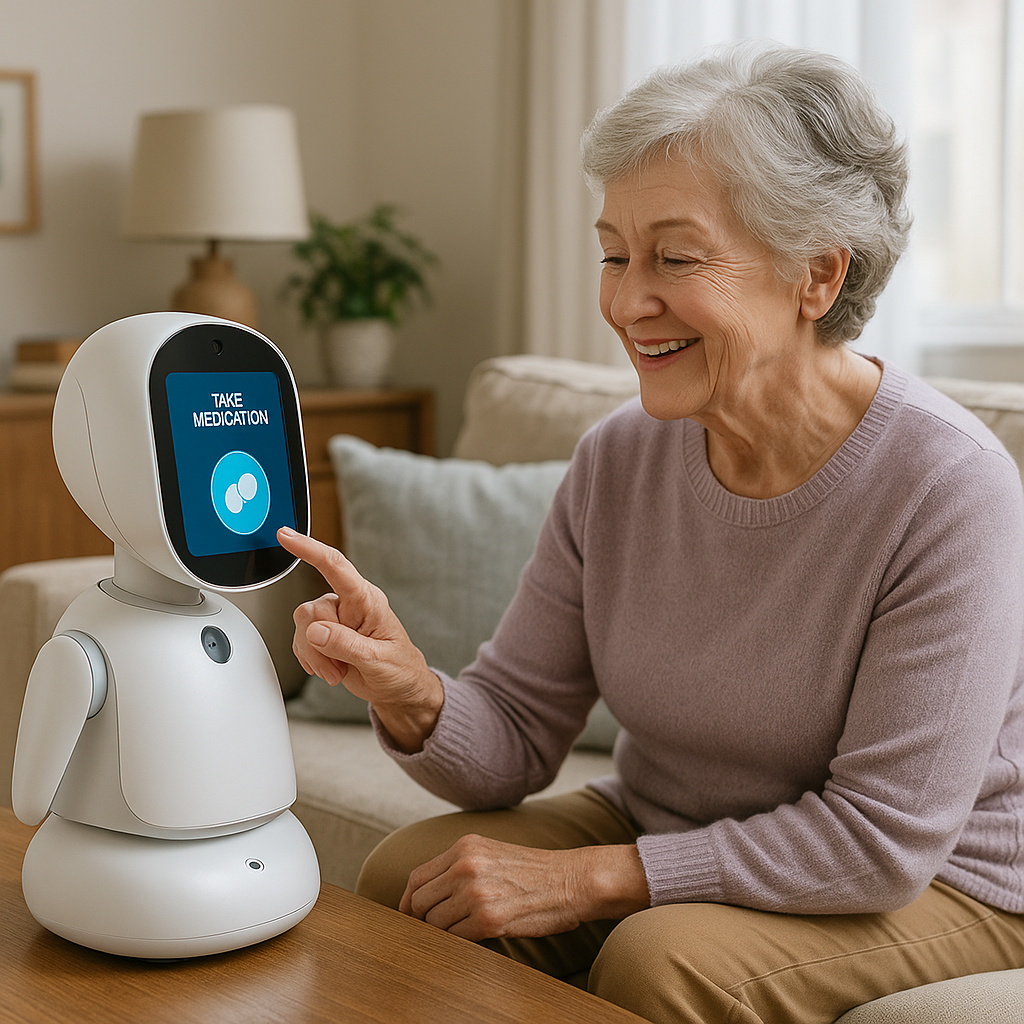
As the global population ages, the demand for reliable elderly care solutions is growing faster than the supply of professional caregivers. Home care robots are stepping in to fill that gap — offering seniors a way to live independently, safely, and with dignity inside their own homes. From medication reminders to fall detection, these machines are no longer science fiction. They are already in use across homes worldwide.
Why Seniors Need Extra Support at Home
Most older adults prefer to age in place — staying in their own homes rather than moving to assisted living facilities. This choice, while meaningful, comes with real challenges that can affect health and safety.
- Missing or forgetting medications on time
- Higher risk of falls, especially when alone
- Loneliness and social isolation
- Difficulty managing basic household tasks
These challenges are not small. Falls alone are one of the leading causes of injury among adults over 65. Home care robots address many of these concerns directly, acting as a consistent, always-available support system without replacing the warmth of human caregivers.
What Home Care Robots Can Actually Do
Home care robots are smart devices built to assist older adults with daily living. They combine sensors, voice recognition, and health monitoring tools to provide practical help throughout the day.
Key features commonly found in these robots include:
- Voice control: Seniors can speak commands to get help without needing to use a phone or computer
- Health monitoring: Tracks temperature, heart rate, and medication schedules
- Fall detection: Automatically alerts family members or emergency services if a fall is detected
- Companionship: Engages in conversation to reduce feelings of loneliness
- Daily reminders: Prompts for medicines, hydration, doctor appointments, and more
These features work together to create a safety net that supports seniors through their daily routines.
Real Home Care Robots Already in Use
Several robots are already being used in homes to assist elderly individuals. Here is a look at three well-known examples:
| Robot | Key Function | Best For |
|---|---|---|
| ElliQ | Voice communication, reminders, healthy habit encouragement | Companionship and daily wellness |
| Care-O-bot | Fetching objects, transporting items, basic household tasks | Physical assistance at home |
| Toyota HSR (Human Support Robot) | Picking up objects, opening curtains, mobility support | Seniors with limited mobility |
Each of these robots targets a specific need, and many families are combining them with other smart home tools for broader coverage.
Why the Demand for Elder Care Robots Is Rising
The growth of home care robotics is not accidental. Several real-world pressures are pushing this market forward at a rapid pace.
- Ageing population: The number of people over 65 has reached record highs globally, and this figure continues to climb
- Caregiver shortage: There are not enough trained caregivers to meet the growing demand, making robotic assistance a practical alternative
- Smarter, more affordable technology: Advances in robotics and machine learning have made these devices more capable and less expensive than before
- Remote family monitoring: Robots with smart features allow family members living far away to stay informed about their elderly relatives’ health and safety
Together, these factors are making home care robots a mainstream solution rather than a luxury option.
Privacy, Safety, and What Families Should Know
A common concern among families is whether these robots are safe to use and whether they protect sensitive health data. Most reputable home care robots today are built with strong privacy and safety standards.
- Health and personal data is encrypted to prevent unauthorised access
- Emergency alerts are sent to trusted contacts when a crisis is detected
- Many products comply with medical safety regulations and standards
That said, families should always research products carefully before purchasing. Checking privacy settings, reading user reviews, and choosing brands with transparent data policies are important steps.
What the Future Holds for Home Care Robotics
The next generation of home care robots is expected to be even more capable. Researchers and companies are working on features that go beyond what is available today.
- Habit-learning systems: Robots that study a senior’s daily routine and offer personalised support based on individual patterns
- Emotion-sensing technology: Devices that can detect mood changes and respond with appropriate interaction or alerts
- Smart home integration: Deeper connections with home automation systems to control lighting, temperature, and appliances
- Physical assistance robots: Machines designed to help with dressing, movement, and physical rehabilitation
As these technologies mature, home care robots are expected to become a standard part of elderly care plans, working alongside human caregivers rather than replacing them.
Home care robots represent a meaningful shift in how society supports its ageing population. They are not perfect, and they are not a substitute for human connection — but they offer real, practical help that can make a significant difference in the lives of seniors and the families who care for them. As the technology improves and becomes more accessible, more households across India and the world are likely to welcome these assistive machines into their daily lives.