Blockchain technology has moved well beyond its early association with cryptocurrency. Today, it is actively reshaping how industries manage supply chains, protect digital identities, and handle data at scale. From global shipping giants to decentralized finance platforms, the real-world applications of blockchain are growing fast and delivering measurable results.
Blockchain Is Changing How Supply Chains Work
One of the most impactful uses of blockchain today is in supply chain management. Traditional supply chains involve multiple parties — manufacturers, logistics providers, customs agencies, and retailers — all working with separate systems that rarely communicate well. This creates delays, errors, and opportunities for fraud.
Companies like IBM and Maersk tackled this problem directly by building TradeLens, a blockchain-based platform designed to simplify global trade. TradeLens creates a shared, tamper-proof record of every transaction and shipment movement. Because the data cannot be altered after it is recorded, all parties can trust what they see.
- Manufacturers can verify when goods leave the factory.
- Shipping companies can track cargo in real time across borders.
- Retailers can confirm delivery timelines and reduce inventory errors.
- Customs authorities can access verified documentation faster.
The result is a supply chain that is more transparent, more efficient, and significantly harder to manipulate. Fraud reduction and faster processing times are among the key benefits businesses have reported after adopting blockchain-based supply chain tools.
Scalability and Interoperability: The Two Big Challenges Being Solved
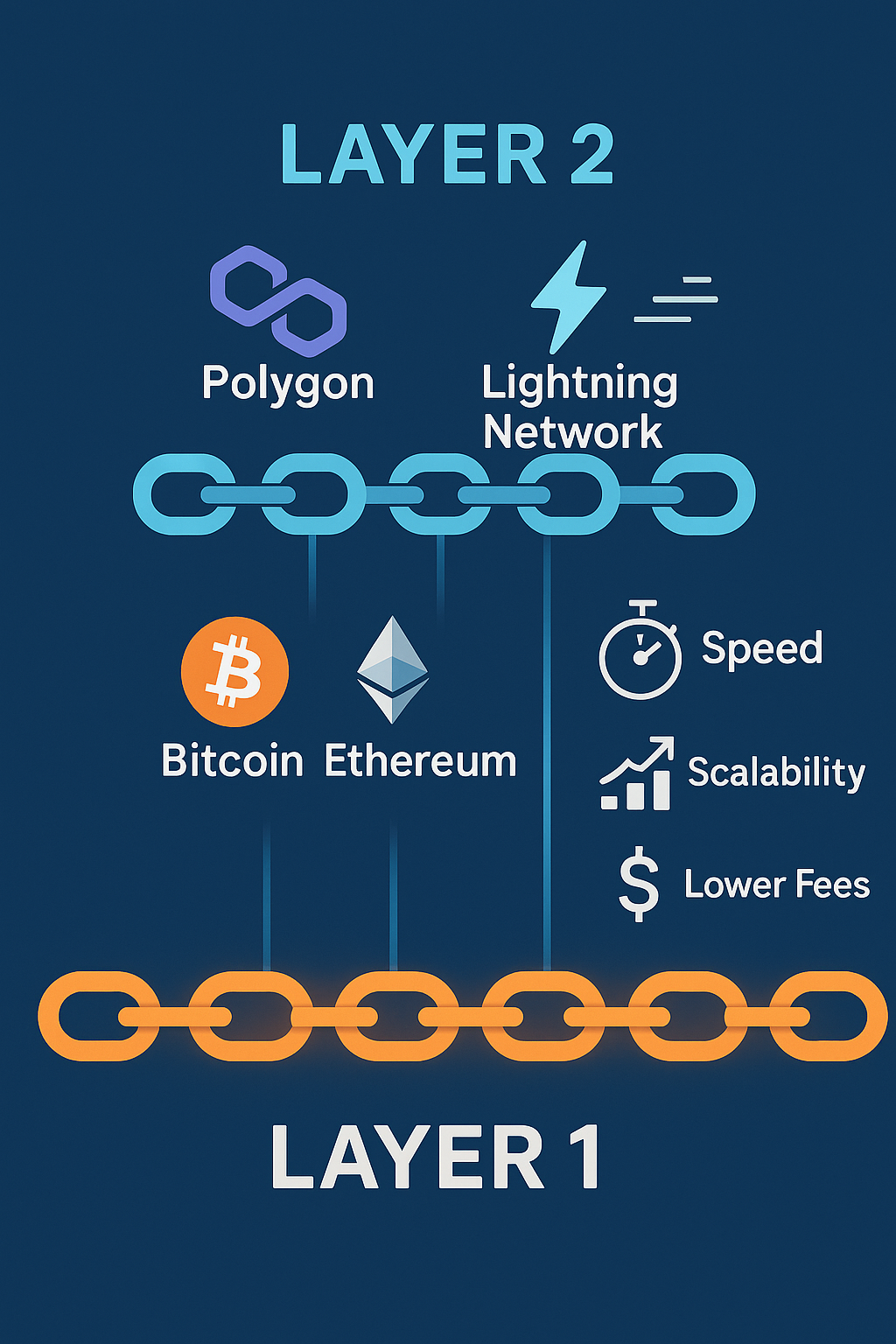
For years, scalability and interoperability were the two biggest barriers holding blockchain back from mainstream adoption. A blockchain network that can only process a limited number of transactions per second is not practical for large enterprises. Similarly, a blockchain that cannot communicate with other blockchain networks creates isolated silos rather than a connected ecosystem.
Recent developments are directly addressing both problems.
Ethereum 2.0 represents one of the most significant upgrades in blockchain history. By shifting from a Proof of Work (PoW) model to a Proof of Stake (PoS) consensus mechanism, Ethereum 2.0 dramatically improves the network’s ability to handle more transactions while also reducing its energy consumption. This makes the network more sustainable and more accessible for businesses concerned about environmental impact.
On the interoperability side, protocols like Polkadot and Cosmos are building bridges between separate blockchain networks. Instead of each blockchain operating in isolation, these protocols allow different networks to share data and assets with each other securely.
| Challenge | Solution | Key Projects |
|---|---|---|
| Scalability | Proof of Stake consensus | Ethereum 2.0 |
| Interoperability | Cross-chain communication protocols | Polkadot, Cosmos |
Together, these innovations are creating a more connected and capable blockchain ecosystem that can support a wider range of applications across industries.
Protecting Digital Identity and Personal Data with Blockchain
Data breaches and identity theft are growing concerns for individuals and organizations alike. Centralized identity systems — where a single company or government body stores your personal information — are attractive targets for hackers. A single breach can expose millions of records.
Blockchain offers a fundamentally different approach to digital identity management. Instead of storing personal data in one central location, blockchain-based identity systems distribute control back to the individual user.
- Users hold their own credentials in a secure digital wallet.
- No single entity controls or stores all personal data.
- Access to personal information requires the user’s explicit permission.
- Records are tamper-proof, reducing the risk of unauthorized changes.
This decentralized identity model significantly reduces the risk of identity theft and unauthorized access. It also gives individuals greater control over how their data is shared and with whom. For industries like healthcare, banking, and e-governance, this approach offers a more secure and user-friendly alternative to traditional identity verification systems.
What This Means for Businesses and Individuals in India
India is one of the fastest-growing markets for blockchain adoption. With a large population of digital users, a growing fintech sector, and government interest in digital public infrastructure, the timing of these blockchain advancements is particularly relevant.
- Businesses in logistics, retail, and manufacturing can reduce fraud and improve supply chain visibility.
- Financial institutions can use blockchain for faster, more secure cross-border transactions.
- Citizens can benefit from blockchain-based identity systems that protect their Aadhaar and other personal data.
- Startups building on Ethereum 2.0 or interoperability protocols like Polkadot can reach broader markets with lower infrastructure costs.
As blockchain infrastructure matures, the barriers to adoption are falling. Businesses that start exploring blockchain solutions now are likely to gain a competitive advantage as the technology becomes standard across industries.
Blockchain technology continues to prove its value beyond speculation and hype. With real solutions for supply chain transparency, improved scalability through Ethereum 2.0, cross-chain communication via Polkadot and Cosmos, and decentralized digital identity protection, blockchain is building a stronger case for widespread adoption. For businesses and individuals looking to operate more securely and efficiently, understanding and embracing these developments is becoming less of an option and more of a necessity.