Neural networks are at the heart of modern artificial intelligence. From recognizing your face on a smartphone to detecting bank fraud, these systems are quietly powering some of the most important technologies in our daily lives. Understanding how they work does not require a computer science degree — just a curious mind.
Inspired by the Human Brain
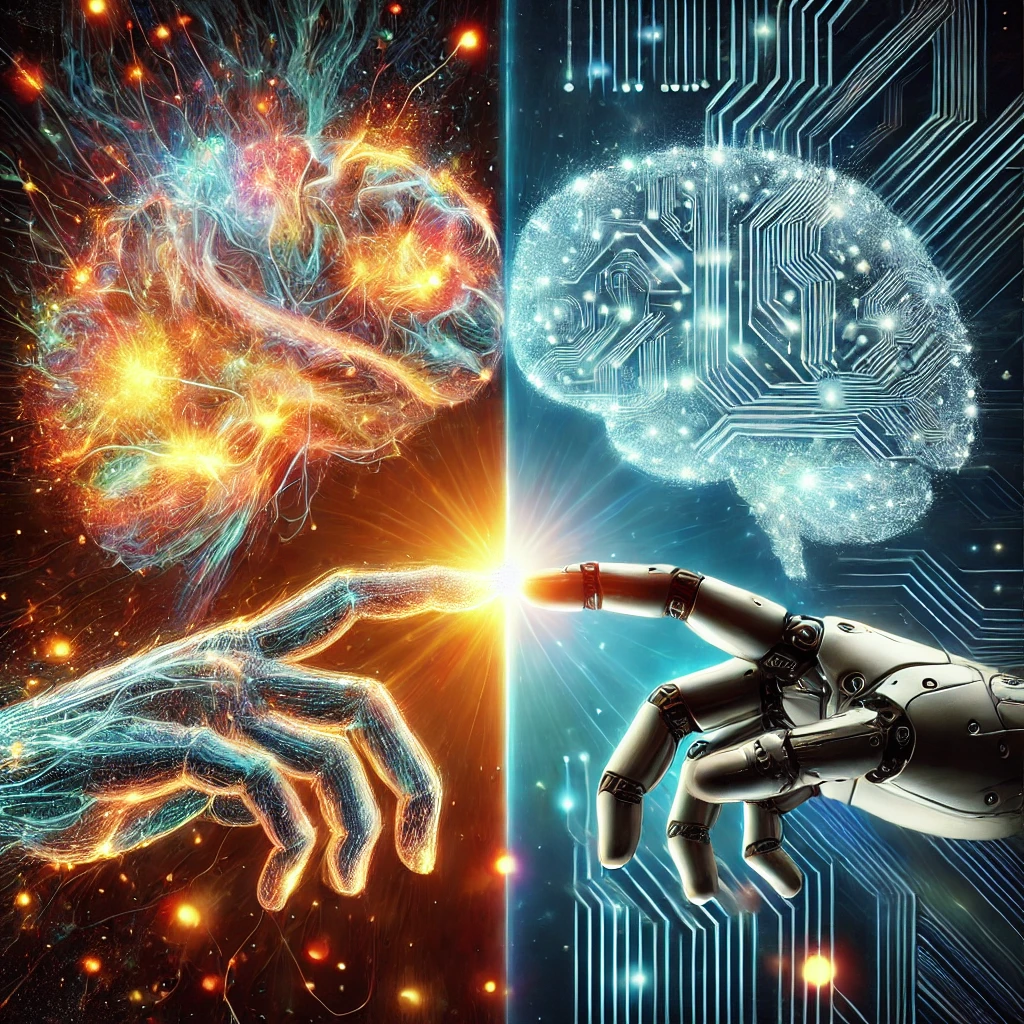
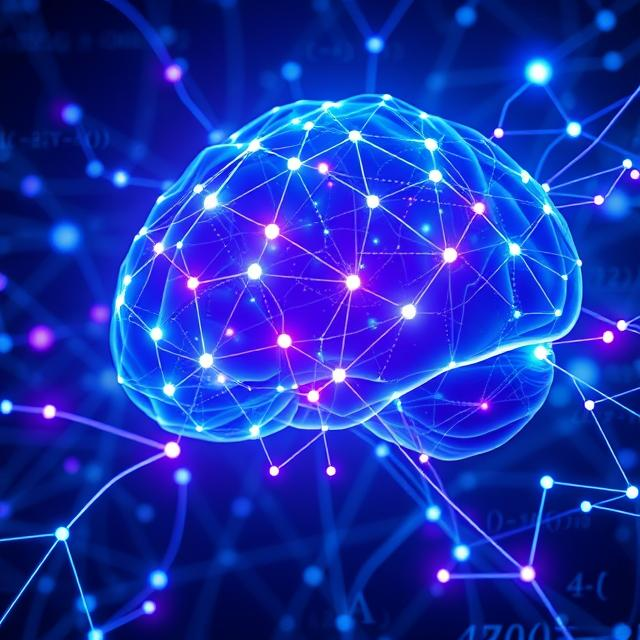
The concept behind neural networks is surprisingly straightforward. They are modeled after the human brain, which contains billions of neurons that communicate with each other to process information.
In a neural network, artificial neurons play the same role. These digital units receive input data, process it, and pass the result to the next layer of neurons. Each connection between neurons carries a weight — a number that determines how strongly one neuron influences another.
Just as repeated experiences strengthen brain connections over time, neural networks strengthen their internal connections through a process called training. The more data they process, the better they get at identifying patterns and making accurate predictions.
How Neural Networks Learn: The Training Process Explained
Training a neural network involves feeding it large amounts of labeled data. Consider a network designed to recognize handwritten digits. You show it thousands of images — each one tagged with the correct number it represents.
At first, the network makes many mistakes. But with each attempt, it adjusts its internal weights to reduce errors. Over many iterations, it learns to tell a “1” from a “7”, even when the handwriting is messy or unusual.
This process of learning from examples — and improving with repetition — is what gives neural networks their remarkable ability to adapt to new situations they have never encountered before.
The key steps in training a neural network include:
- Data input: Feeding the network large volumes of labeled examples.
- Forward pass: The data moves through the layers and produces an output.
- Error calculation: The network compares its output to the correct answer.
- Backpropagation: The network adjusts its weights to reduce the error.
- Repetition: This cycle repeats thousands or millions of times until accuracy improves.
Where Neural Networks Are Making a Real Difference
Neural networks are no longer confined to research labs. They are embedded in products and services that millions of people use every day. Here are some of the most impactful applications:
- Image Recognition: Facial recognition technology powers smartphone unlock features and helps platforms like Facebook tag people in photos automatically.
- Speech Recognition: Virtual assistants such as Siri and Alexa rely on neural networks to understand spoken language and respond accurately.
- Machine Translation: Tools like Google Translate use neural networks to convert text between languages with far greater accuracy than older rule-based systems.
- Fraud Detection: Banks and financial institutions use neural networks to monitor millions of transactions in real time and flag suspicious activity before it causes harm.
- Healthcare Diagnostics: Neural networks help doctors detect diseases like cancer in medical scans by identifying subtle patterns that the human eye might miss.
Neural Networks vs Traditional Programming: A Quick Comparison
To understand why neural networks matter, it helps to see how they differ from traditional software approaches.
| Feature | Traditional Programming | Neural Networks |
|---|---|---|
| How it works | Follows fixed rules written by humans | Learns rules from data automatically |
| Adaptability | Requires manual updates | Improves with more data and training |
| Best for | Structured, predictable tasks | Complex pattern recognition tasks |
| Examples | Calculators, spreadsheets | Image recognition, speech processing |
What the Future Holds for Neural Networks
Neural networks are advancing at a rapid pace. Researchers are building deeper and more complex architectures — known as deep learning models — that can handle increasingly difficult tasks.
In healthcare, neural networks are being trained to predict patient outcomes and assist in drug discovery. In transportation, they power the perception systems of self-driving cars. In creative fields, they generate realistic images, music, and text.
As computing power grows and more data becomes available, neural networks will continue to take on tasks that once seemed impossible for machines. The gap between human intelligence and machine capability is narrowing — and neural networks are the primary reason why.
For businesses, students, and everyday users, understanding neural networks is no longer optional. These systems are shaping the world around us, and knowing how they work gives you a clearer picture of where technology is headed.
Neural networks represent one of the most significant developments in the history of computing. They learn, adapt, and improve — making them one of the most versatile tools available to solve real-world problems across every industry.