
Artificial Intelligence is no longer the exclusive domain of tech giants and research labs. Thanks to open-source tools, cloud platforms, and user-friendly interfaces, startups, small businesses, and individual creators can now build with AI. This shift — known as the democratization of AI — combined with the rapid rise of Generative AI, is reshaping how the world works, creates, and competes.
What Is the Democratization of AI?
The democratization of AI refers to making AI technologies accessible, affordable, and usable by anyone — not just data scientists or large corporations. A few years ago, only companies like Google, Amazon, and Microsoft had the infrastructure and budgets to build and deploy large-scale AI systems.
That has changed significantly. Today, cloud platforms, open-source libraries, and AI-as-a-Service solutions allow even a solo developer or a small startup to integrate powerful AI into their products without needing a PhD or expensive hardware.
- Before: AI required massive computing resources, proprietary datasets, and specialized teams.
- Now: No-code platforms, pre-trained models, and APIs make AI deployment fast and affordable for all.
This shift levels the playing field and accelerates innovation across every industry — from retail to healthcare to education.
What Is Generative AI and Why Does It Matter?
Generative AI is a category of artificial intelligence that can create new content based on patterns it has learned from existing data. Unlike traditional AI that only analyzes or classifies information, Generative AI produces original outputs.
Some of the most well-known tools include ChatGPT by OpenAI, MidJourney for image creation, and Stable Diffusion for open-source image generation. These tools have shown the world what becomes possible when powerful AI is placed in the hands of everyday users.
Here is what Generative AI can produce:
- Written content such as blog posts, emails, and product descriptions
- Realistic images, artwork, and 3D models
- Code snippets, chatbots, and full software applications
- Custom advertisements, short videos, and music tracks
The impact on creativity and business productivity is significant. Tasks that once took hours or required specialist skills can now be completed in minutes.
Why the Combination of Both Trends Is So Powerful
When the democratization of AI meets Generative AI, the results are far-reaching. Together, they create opportunities that were previously out of reach for most people and organizations.
| Benefit | What It Means in Practice |
|---|---|
| Accessibility | Non-technical users can build and use AI tools without coding knowledge |
| Innovation | Small companies can compete with large enterprises on product quality |
| Productivity | Automating writing, design, and coding saves time and reduces costs |
| Customization | Businesses can deliver personalized experiences to large audiences |
| Global Growth | More people worldwide gain AI skills, creating new job opportunities |
Real-World Applications Across Industries
Generative AI and democratized tools are already making a measurable difference in several sectors:
- E-commerce: Automated product listings, AI-generated images, and targeted advertising campaigns help sellers reach buyers more effectively.
- Healthcare: AI assists in medical diagnosis, drug discovery, and patient data analysis, speeding up research timelines.
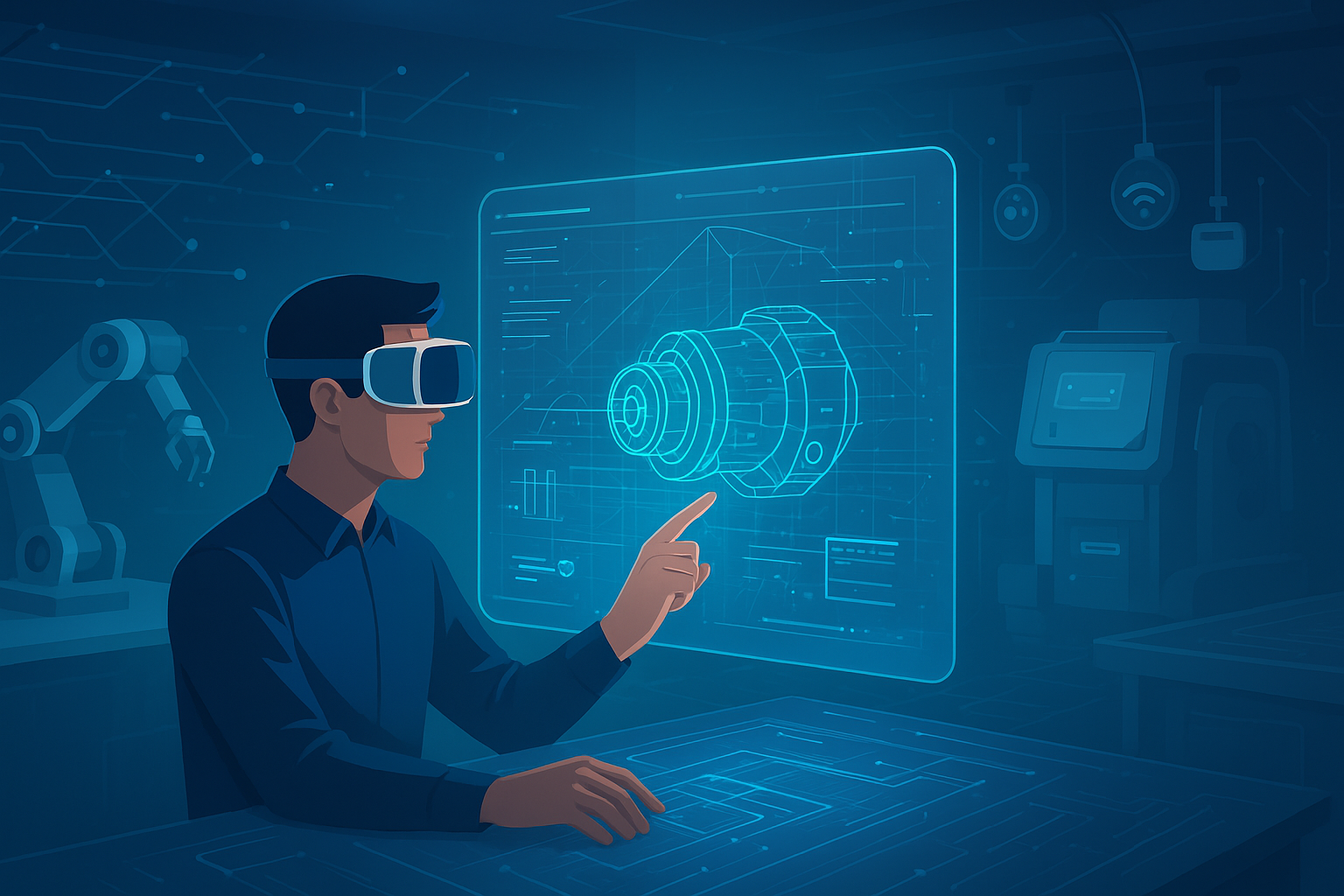
- Engineering and Design: Architects, circuit designers, and product engineers use AI to generate and test new concepts faster than ever.
- Education: Personalized learning platforms powered by AI adapt to each student’s pace and style, making quality education more accessible.
Challenges That Cannot Be Ignored
Despite the clear benefits, the widespread adoption of Generative AI also brings serious concerns that need careful attention:
- Bias and Ethics: AI systems trained on biased data can produce outputs that reflect and reinforce existing prejudices. Responsible development practices are essential.
- Job Displacement: Automation of creative and technical tasks may reduce demand for certain roles, making upskilling and reskilling a priority for workers.
- Data Privacy: Using personal or sensitive data with AI tools requires strong security measures and clear regulatory compliance.
Addressing these challenges is not optional — it is a necessary part of building AI systems that are fair, safe, and beneficial for society as a whole.
The spread of Generative AI and its growing accessibility marks a turning point in how technology is built and used. Small businesses, independent creators, and professionals across every field now have the tools to innovate, compete, and grow. The key is to approach this shift thoughtfully — embracing what AI can do while staying aware of its limitations and responsibilities. Whether you run a business or work in a specialized field, understanding and adapting to these changes will be essential in the years ahead.