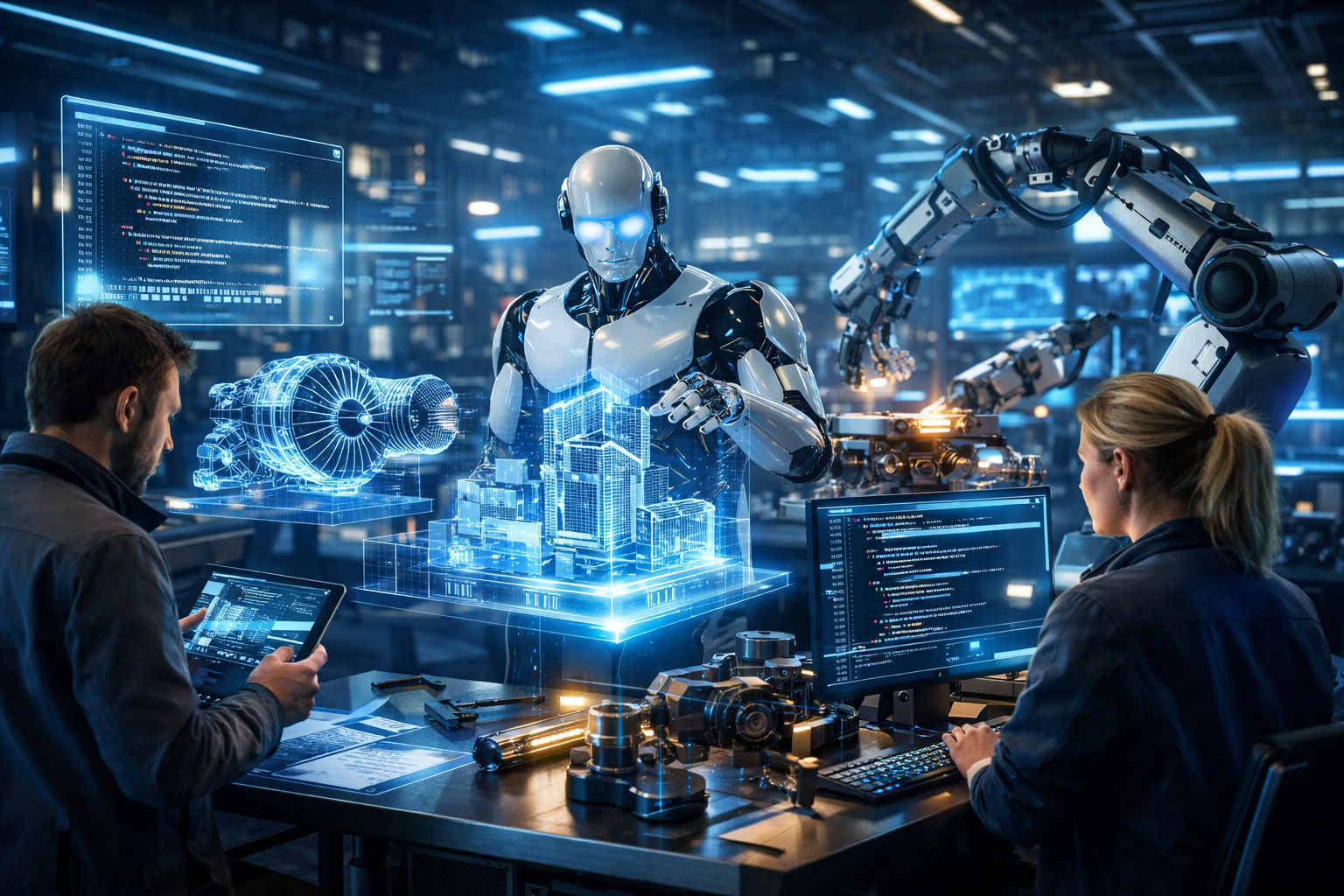
Generative AI started as a tool for answering questions and writing content. But it has grown into something far more powerful. Engineers across industries are now using the next phase of this technology — Generative AI 2.0 — to design products, write code, run simulations, and make smarter decisions. This shift is changing the way engineering works at every level.
What Generative AI 2.0 Actually Means for Engineers
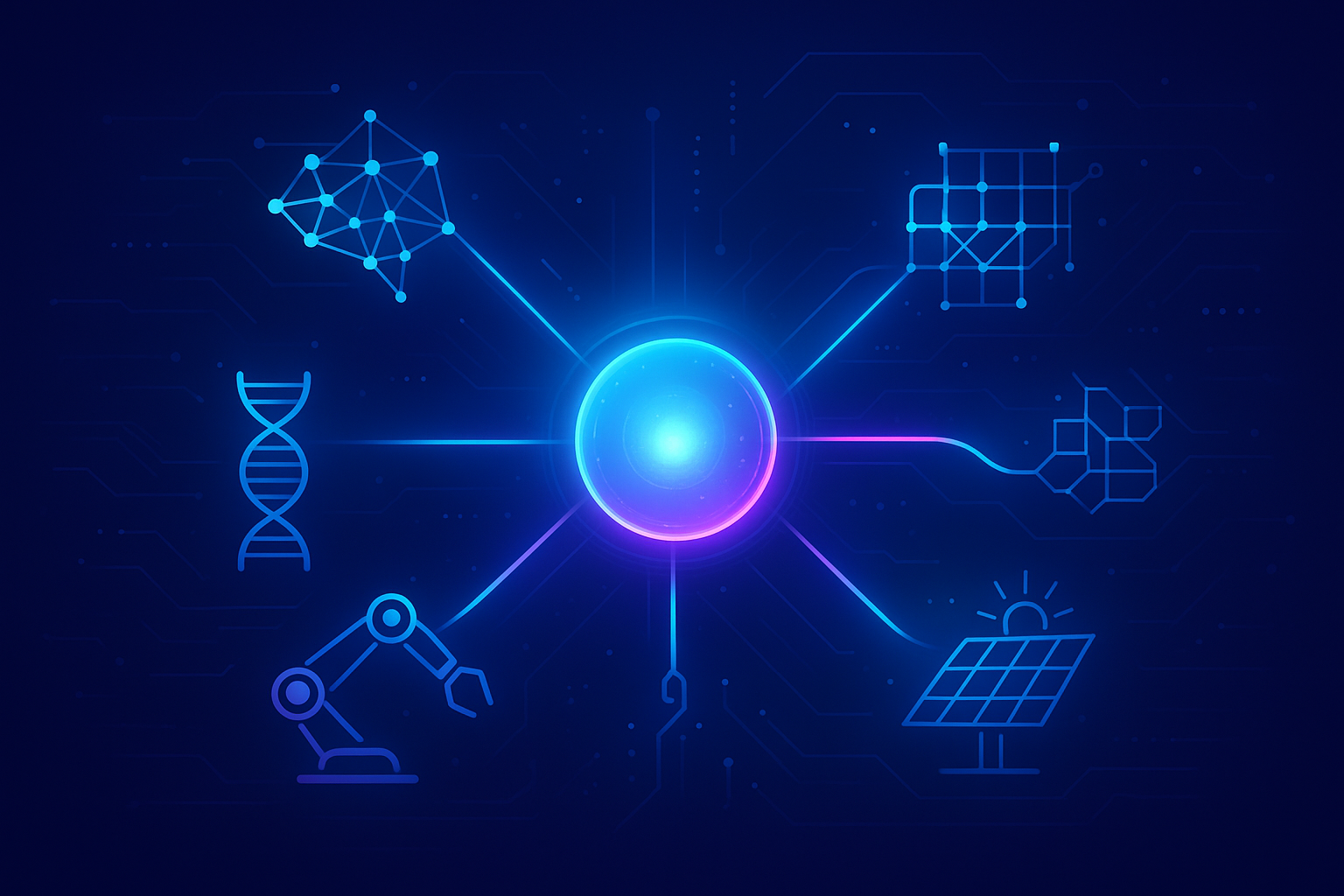
Generative AI 2.0 is not just about text generation. It works across multiple types of data — images, code, 3D models, and structured datasets. For engineers, this means the technology can now actively participate in the problem-solving process, not just assist with communication.
In practical terms, it helps engineers:
- Think faster by generating multiple solution options quickly
- Build smarter by suggesting optimized designs based on specific requirements
- Test ideas rapidly without waiting for physical prototypes
This is a significant step forward from the earlier generation of AI tools that were largely limited to search and conversation.
Faster Design and Prototyping With AI Assistance
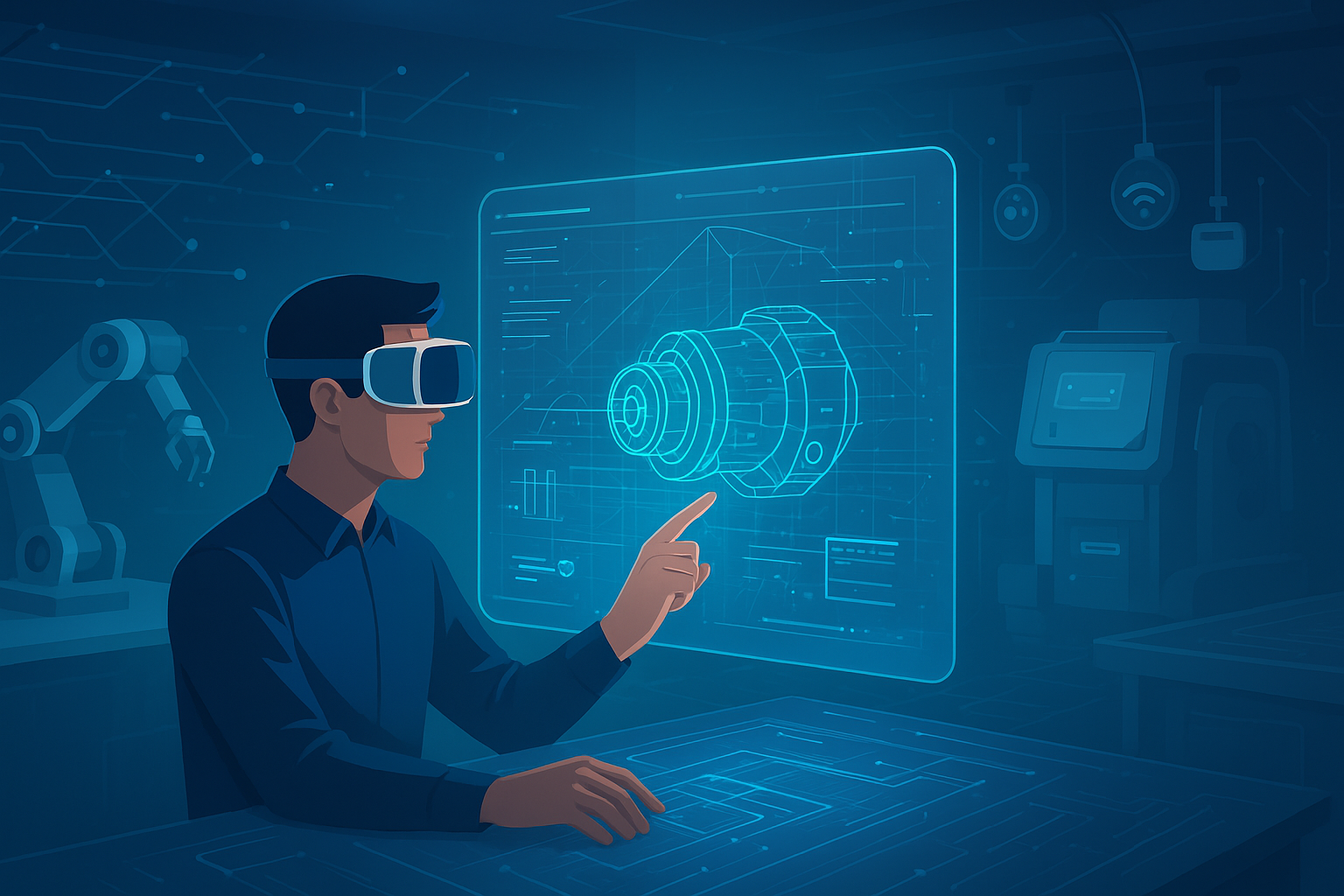
Product design traditionally involves many rounds of trial and revision. Generative AI 2.0 compresses this process by producing multiple design variations in seconds, each tailored to specific constraints like material cost, weight limits, or structural strength.
Engineers can evaluate these options quickly and move to prototyping with greater confidence. This reduces both development time and the cost of errors caught late in the process. Industries like aerospace, automotive, and consumer electronics are already benefiting from this approach.
AI-Powered Coding and Software Development
Writing and reviewing code is one of the most time-intensive parts of software engineering. Generative AI 2.0 can write functional code blocks, identify bugs, suggest cleaner alternatives, and even explain what existing code does.
This does not replace developers — it frees them from repetitive tasks so they can focus on architecture, logic, and user experience. The result is faster delivery cycles and fewer errors reaching production environments.
Here is a quick comparison of traditional vs AI-assisted software development:
| Aspect | Traditional Development | AI-Assisted Development |
|---|---|---|
| Code Writing Speed | Slower, manual effort | Faster with auto-generation |
| Bug Detection | Manual review required | Automated suggestions |
| Repetitive Tasks | Time-consuming | Handled by AI |
| Developer Focus | Split across tasks | Concentrated on core logic |
Simulation, Testing, and Smart Manufacturing
Before any product reaches the real world, it must be tested thoroughly. Generative AI 2.0 runs detailed simulations that predict how a product will perform under real-world conditions — including stress, heat, load, and failure scenarios. This reduces dependence on physical testing, cutting both time and cost.
In manufacturing, the impact is equally significant. AI systems analyze production data continuously to:
- Predict equipment failures before they happen
- Suggest process improvements to increase output
- Reduce unplanned downtime in factories
- Optimize supply chain decisions based on real-time data
Smart factories using these capabilities are reporting measurable gains in efficiency and product quality.
Challenges and What Engineers Must Watch Out For
Generative AI 2.0 is powerful, but it comes with real limitations that engineers must take seriously.
- Human verification is still essential. AI-generated designs or code can contain errors that only an experienced engineer would catch.
- Data security is a concern. Feeding sensitive project data into AI systems raises questions about confidentiality and intellectual property.
- Skill gaps exist. Engineers need training to use these tools effectively and to understand their outputs critically.
- Over-reliance is a risk. Teams that trust AI outputs without review may miss critical flaws.
The technology works best when engineers treat it as a capable assistant — not an infallible authority.
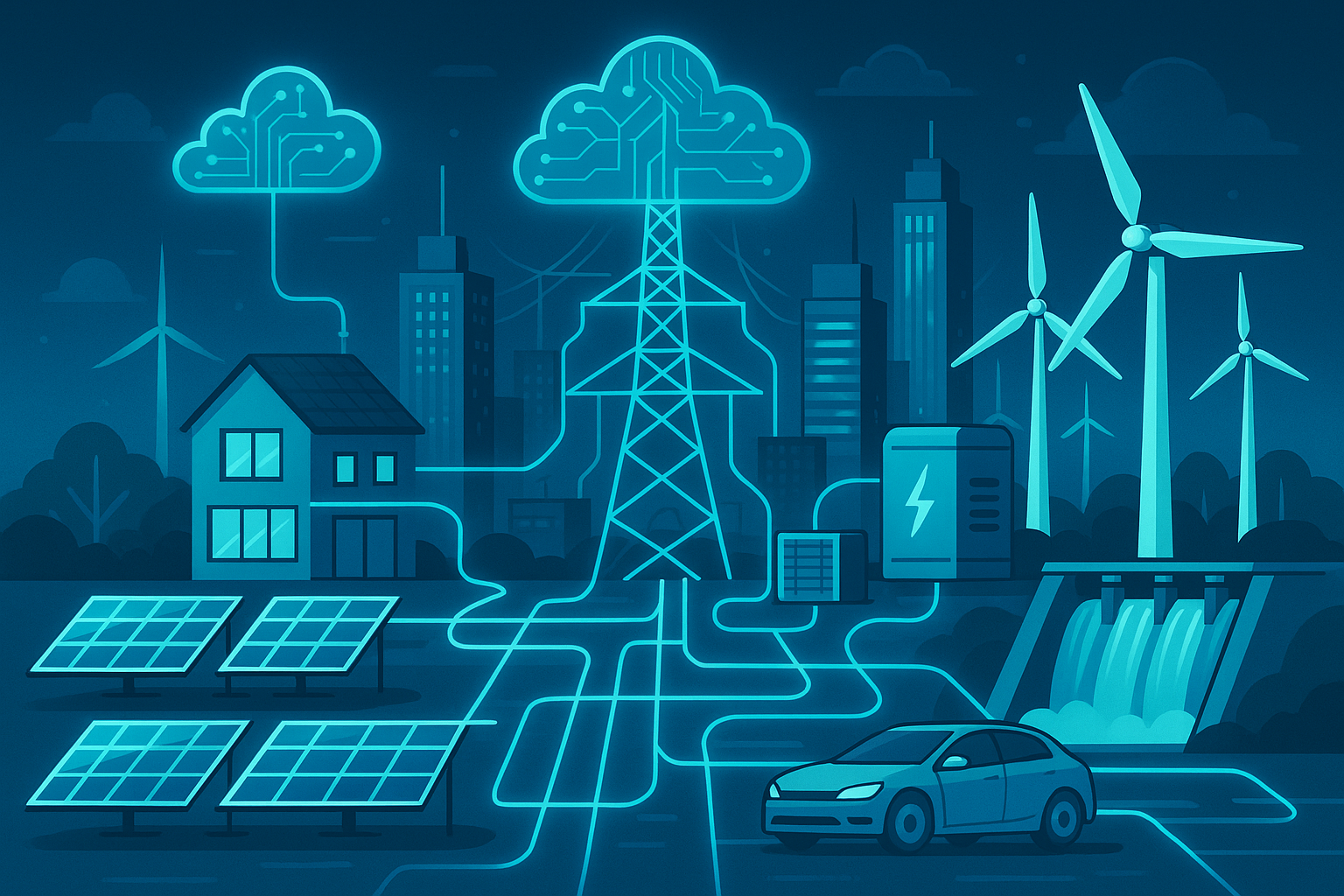
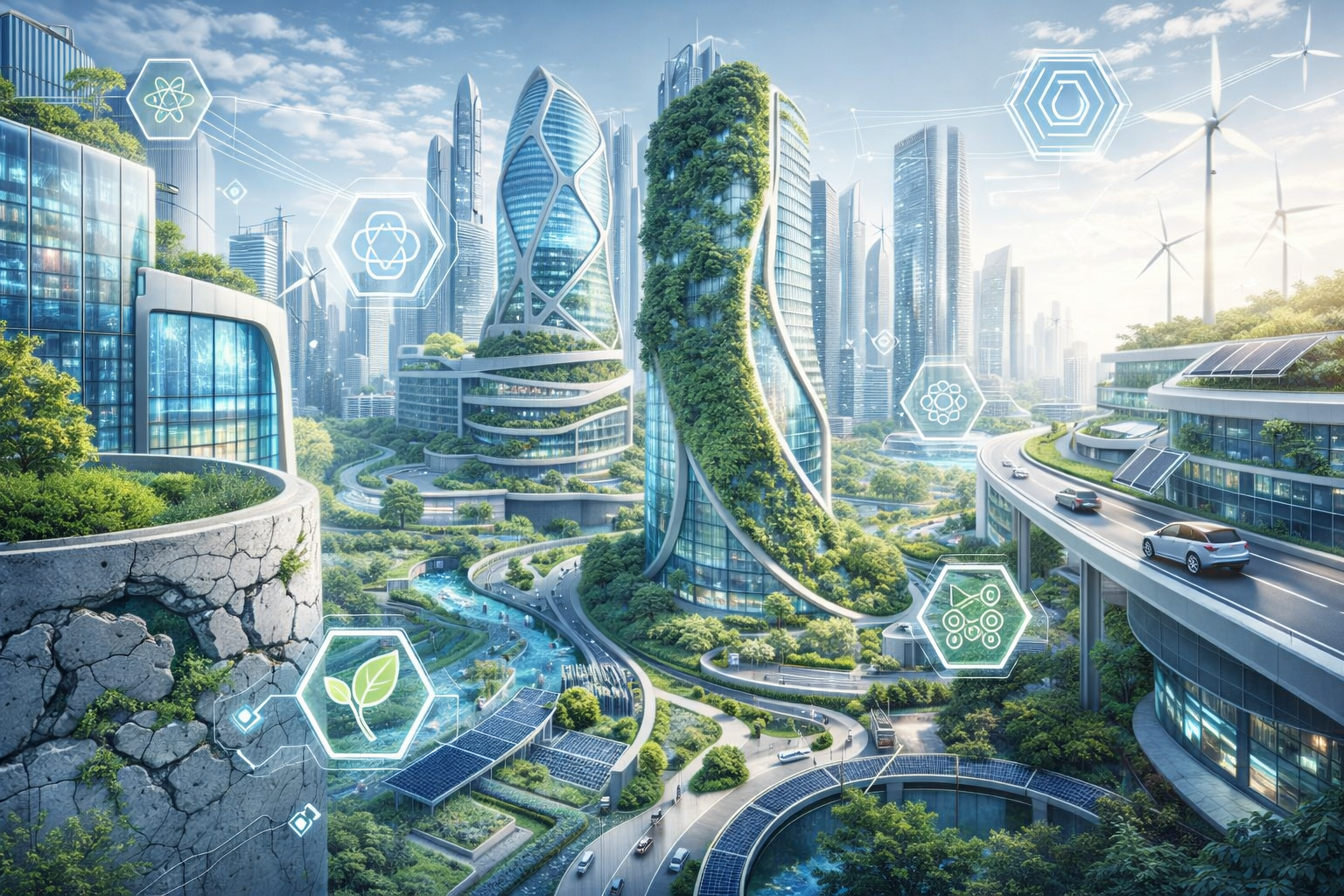
Looking ahead, Generative AI 2.0 is expected to play a central role in designing smart infrastructure, managing complex engineering systems, and supporting sustainable development goals. The engineers who learn to work alongside these tools early will be better positioned as the technology matures.
Generative AI 2.0 has moved well past the chatbot phase. It is now a practical partner in engineering work — from the first design sketch to final production. For professionals in this field, understanding and adopting these tools is no longer a future consideration. It is a present-day priority.