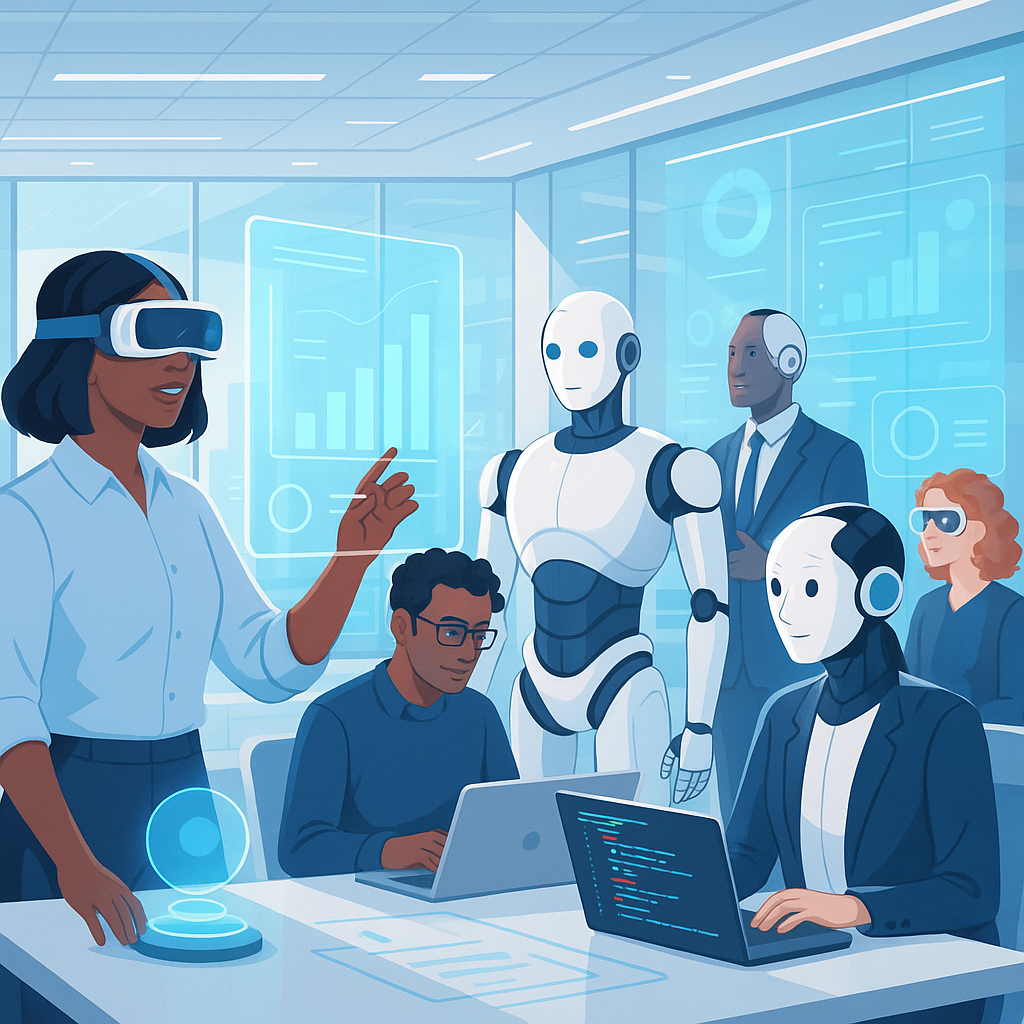
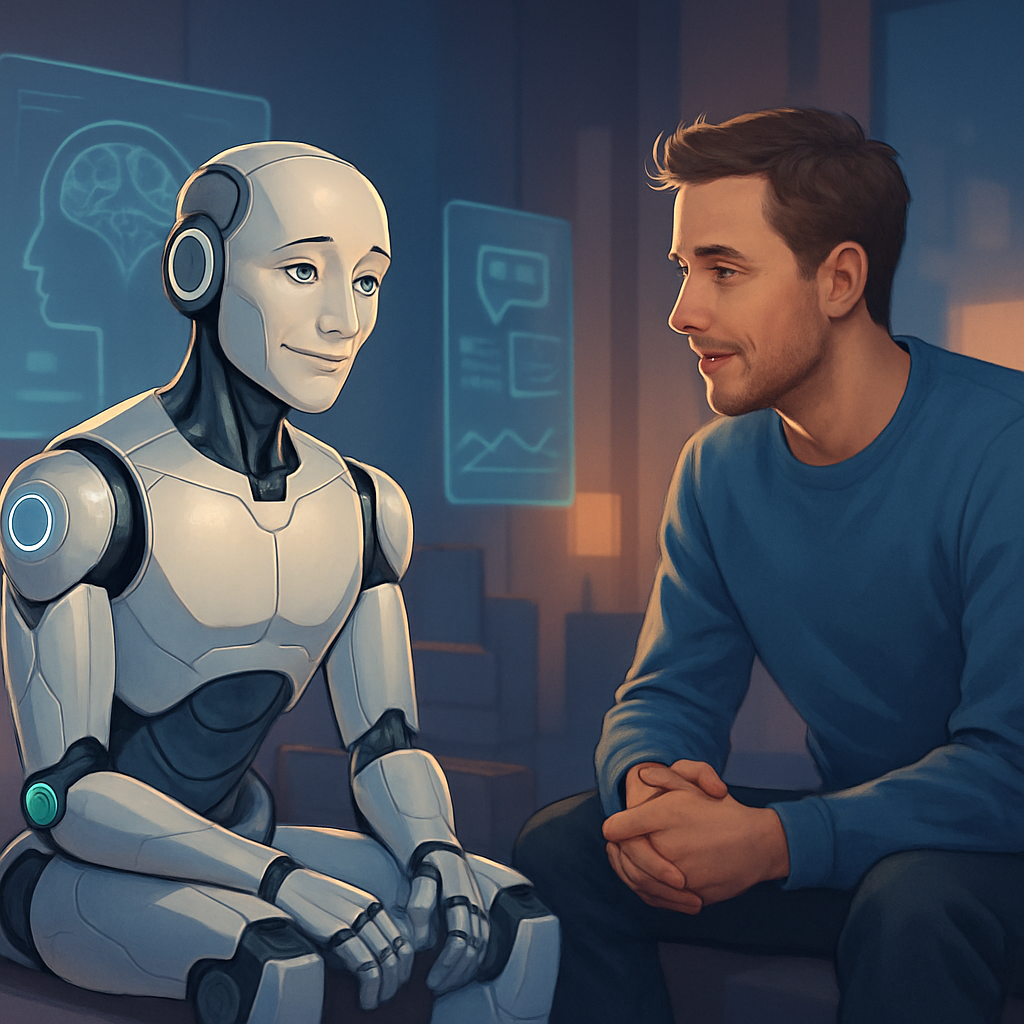
Robots are no longer just machines that follow instructions. Thanks to a technology called Emotional AI — also known as affective computing — robots can now detect and respond to human emotions. This shift is quietly changing how we experience robots in hospitals, schools, homes, and workplaces.
What Is Emotional AI?
Emotional AI is a branch of artificial intelligence focused on detecting, understanding, and responding to human emotions. It does this by analyzing multiple signals from a person at once, including:
- Facial expressions — smiles, frowns, raised eyebrows
- Voice tone and pitch — trembling, harsh, or soft speech
- Body language — posture, movement, and eye contact
- Text and language patterns — the emotional meaning behind words
Robots themselves do not feel emotions. But with Emotional AI, they can recognize what a person is feeling and respond in a way that feels natural and considerate.
Why Emotionally Aware Robots Matter
As robots take on bigger roles in healthcare, customer service, education, and daily home life, their ability to understand emotions becomes genuinely important. An emotionally aware robot can:
- Communicate more clearly and naturally
- Adjust its behavior based on a person’s mood
- Build trust and comfort with the people it works alongside
Think about a robot nurse that notices a patient is in pain, or a customer service robot that stays calm and helpful when a user is frustrated. These are not distant ideas — they are already being tested and deployed in real settings.
How Emotional AI Works Behind the Scenes
Emotional AI combines sensors, software, and machine learning to gather and process emotional data in real time. Here is how each part contributes:
- Facial Recognition: Cameras and computer vision software scan a person’s face to identify expressions linked to emotions like happiness, sadness, anger, or surprise.
- Voice Analysis: Microphones capture speech, and software analyzes tone, speed, and pitch to detect emotional states.
- Natural Language Processing (NLP): This technology reads the emotional meaning behind spoken or written words, going beyond just the literal content.
- Behavior Tracking: Sensors monitor body stance, movement patterns, and eye contact to build a fuller picture of a person’s mood.
Once the robot processes all this data, it decides how to respond — whether to ask if someone needs help, offer reassurance, or simply give the person space.
Real-World Applications of Emotional AI in Robotics
Emotional AI is already being applied across several industries. Here is a look at where it is making a real difference:
| Sector | How Emotional AI Helps |
|---|---|
| Healthcare | Robots detect stress, sadness, or discomfort in patients and alert medical staff or offer comfort |
| Customer Support | Service bots adjust tone and handle complaints more effectively by reading customer emotions |
| Education | Classroom robots identify when students are confused or disengaged and change their teaching style |
| Retail and Hospitality | Robots in stores and hotels offer personalized assistance based on a customer’s mood |
Challenges and Ethical Concerns
Emotional AI is a powerful tool, but it comes with real challenges that cannot be ignored:
- Accuracy Issues: Emotions are complex and context-dependent. A smile does not always mean happiness. Misreading feelings can lead to unhelpful or even harmful responses.
- Privacy Risks: These systems collect sensitive personal data — facial images, voice recordings, and behavioral patterns. How this data is stored, used, and protected raises serious concerns.
- Ethical Boundaries: There is an ongoing debate about whether machines should be able to influence or respond to human emotions, and where the limits should be set.
What the Future Holds for Emotional AI and Robotics
As this technology matures, robots are expected to become more natural companions, colleagues, and assistants. They will understand not just what people say, but how people feel when they say it. In the years ahead, emotionally intelligent robots could:
- Support mental health care by offering companionship and early detection of distress
- Improve customer experiences across industries
- Make human-robot interaction feel less mechanical and more intuitive
The growing connection between people and emotionally aware machines points toward a future where technology feels less like a tool and more like a thoughtful presence.
Emotional AI in robotics is still developing, but its direction is clear. As the technology improves and ethical frameworks catch up, robots that understand human feelings could become a meaningful part of everyday life — in ways that are both practical and deeply human.
Frequently Asked Questions
Emotional AI, also called affective computing, is a type of artificial intelligence that allows robots to detect and respond to human emotions by analyzing facial expressions, voice tone, body language, and language patterns.
No, robots do not feel emotions. Emotional AI allows them to recognize and respond to human emotions in a natural way, but the robots themselves do not experience feelings.
The main concerns include accuracy — since emotions are complex and can be misread — privacy risks from collecting facial and voice data, and ethical questions about whether machines should be able to influence human emotional states.