Heart health monitoring has come a long way from bulky hospital machines and scheduled appointments. Wearable ECG monitors now sit on your wrist or stick to your chest, quietly tracking your heart around the clock. Devices like the Apple Watch, Fitbit, and KardiaMobile have brought this technology into everyday life — but the big question remains: can they actually replace a trip to your cardiologist?
What Is a Wearable ECG Monitor?
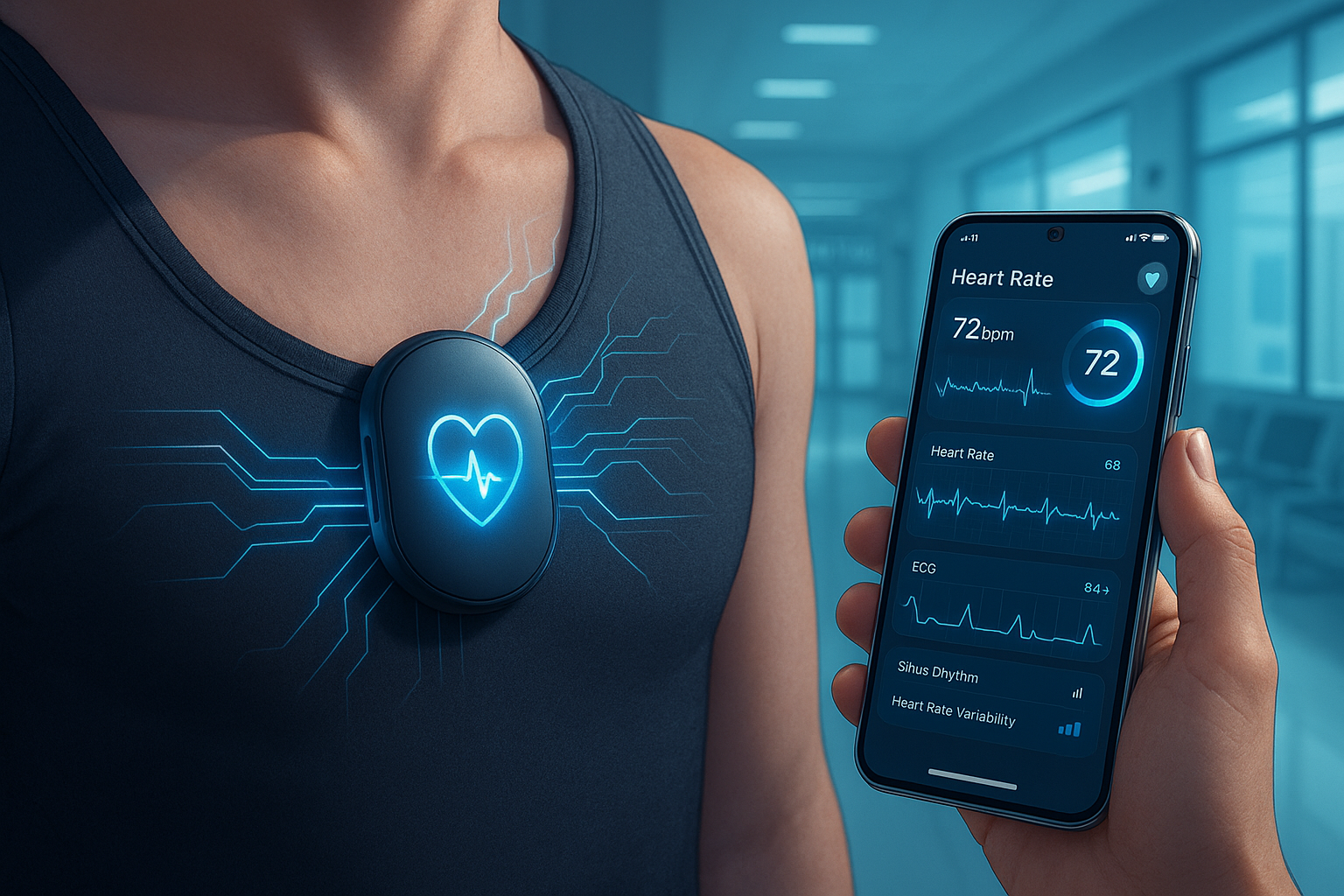
A wearable ECG (electrocardiogram) monitor is a compact device that tracks the electrical activity of your heart. These monitors come in different forms — smartwatches, chest straps, or adhesive skin patches — and they work continuously without requiring you to sit in a clinic.
Popular devices in this space include:
- Apple Watch — offers built-in ECG functionality through its heart rate sensor
- Fitbit — tracks heart rhythm and flags irregular patterns
- KardiaMobile by AliveCor — a dedicated portable ECG device that pairs with your smartphone
These gadgets have made heart monitoring accessible to millions of people who previously had no way to track their cardiac health between doctor visits.
How Wearable ECG Devices Actually Work
Every heartbeat produces a small electrical signal. Wearable ECG monitors use built-in sensors to detect these signals through your skin. The device then translates this data into a readable graph — similar to what a hospital ECG machine produces, though less detailed.
When the device detects something unusual, such as an irregular heartbeat or an abnormal rhythm, it can alert the user immediately or store the data for a doctor to review later. Some advanced models can even transmit this data directly to a healthcare provider in real time.
Key Benefits of Using Wearable ECG Monitors
There are several strong reasons why these devices have gained popularity among health-conscious individuals and patients managing chronic conditions.
- 24/7 heart monitoring: Unlike a hospital ECG that captures just a few seconds of data, wearables track your heart continuously — day and night. This is especially useful for detecting conditions like atrial fibrillation (AFib), which may only appear occasionally.
- No appointments needed: You can monitor your heart health from home without scheduling a clinic visit for every concern.
- Early warning system: Many heart conditions show warning signs before becoming emergencies. Wearable ECGs can help identify these signs early, giving you time to act.
- Real-time data sharing: Certain devices allow you to share heart data directly with your doctor, enabling remote consultations and faster medical decisions.
- Useful for fitness tracking: Athletes and fitness enthusiasts can monitor how their heart responds to exercise, helping them train more safely and effectively.
Limitations You Should Know Before Relying on One
Wearable ECG monitors are impressive tools, but they have real limitations that users must understand before treating them as a replacement for professional medical care.
| Feature | Wearable ECG Monitor | Hospital ECG Machine |
|---|---|---|
| Number of leads | 1 to 2 leads | 12 leads |
| Diagnostic accuracy | Moderate — good for detection | High — used for full diagnosis |
| Continuous monitoring | Yes | No — snapshot only |
| False alarm risk | Moderate | Low |
| Data privacy concern | Yes — stored on cloud | Managed by hospital |
Key drawbacks include:
- Limited diagnostic depth: Most wearables use only one or two leads, while a full hospital ECG uses 12. This means wearables can flag a potential issue but cannot provide a complete diagnosis.
- False positives and missed readings: Movement, sweat, or improper placement can cause inaccurate readings. Users should treat alerts as prompts to consult a doctor — not as final answers.
- Data privacy risks: Your heart data is stored on company servers or cloud platforms. Before using any device, check the brand’s privacy policy to understand how your health information is handled and protected.
Who Benefits Most from Wearable ECG Technology?
While these devices can be useful for almost anyone, certain groups stand to gain the most from regular wearable ECG monitoring:
- People with a history of heart disease or arrhythmia
- Individuals who experience occasional chest discomfort or palpitations
- Older adults who require ongoing cardiac monitoring but cannot visit a hospital frequently
- Fitness enthusiasts who want to track heart performance during workouts
- Patients recovering from a cardiac event who need to stay monitored between follow-up appointments
That said, if you are experiencing severe symptoms — such as chest pain, breathlessness, or fainting — do not rely on a wearable device. Seek immediate medical attention.
The Future of Personal Heart Health Monitoring
Wearable ECG monitors represent a meaningful shift in how people manage their heart health. They put real-time data in the hands of individuals and help bridge the gap between scheduled hospital visits. As the technology improves — with better sensors, smarter algorithms, and tighter integration with healthcare systems — these devices could become a standard part of cardiac care for millions of people in India and around the world.
For now, the smartest approach is to use wearable ECG monitors as a powerful supplement to professional medical care — not a replacement for it. Regular doctor consultations remain essential, especially for those managing existing heart conditions.