
Embedded systems are quietly running the world around us. From the car you drive to the medical device monitoring a patient’s heart rate, these purpose-built computing systems handle specific tasks with precision and efficiency. Understanding how they work, where they are used, and what challenges they face gives us a clearer picture of the technology shaping modern life.
What Are Embedded Systems and How Do They Work?
An embedded system is a dedicated computing setup designed to perform one or a few specific functions within a larger device or machine. Unlike a general-purpose computer that runs many different programs, an embedded system is built for a single job — and it does that job reliably under strict constraints like limited power, size, and processing capacity.
Every embedded system is built around a few core components:
- Processor: The brain of the system, which can be a microcontroller, microprocessor, or digital signal processor (DSP).
- Memory: Stores the programs and data the system needs. This includes RAM, ROM, and flash storage.
- Input/Output Devices: Sensors gather data from the environment, while actuators carry out physical actions based on that data.
- Real-Time Operating System (RTOS): Many embedded systems use an RTOS to manage tasks and resources within strict time limits.
Embedded systems come in several types. Microcontroller-based systems are compact and commonly found in home appliances. Microprocessor-based systems are more powerful and appear in complex devices. DSP-based systems specialise in processing audio and video signals.
Where Are Embedded Systems Used?
Embedded systems are present in nearly every industry. Their ability to perform dedicated tasks reliably makes them indispensable across a wide range of applications.
| Industry | Common Applications |
|---|---|
| Automotive | Engine control units, advanced driver-assistance systems (ADAS) |
| Aerospace | Avionics, navigation systems, flight control |
| Consumer Electronics | TVs, cameras, gaming consoles, smartphones |
| Industrial Automation | Machinery control, process automation |
| Healthcare | Patient monitors, diagnostic equipment, implantable devices |
In the automotive sector alone, a modern vehicle can contain over 100 embedded control units managing everything from fuel injection to airbag deployment. In healthcare, embedded systems power life-critical devices where failure is simply not an option.
The Architecture Behind Embedded Systems
The architecture of an embedded system has two main layers — hardware and software — that must work together tightly.
Hardware architecture includes the microcontroller or microprocessor as the central processing unit, sensors that collect real-world data, and actuators that respond to processed instructions. The hardware is often custom-designed to meet the specific needs of the application.
Software architecture consists of several layers:
- Embedded Operating System: Controls hardware resources and provides a foundation for application software.
- Device Drivers: Allow software to communicate with hardware components.
- Middleware: Acts as a bridge between different software applications running on the system.
- Application Software: The programs that carry out the system’s primary functions.
The Real-Time Operating System (RTOS) deserves special mention. In applications like automotive safety systems or industrial controls, tasks must be completed within exact time windows. An RTOS ensures this happens consistently, making it a critical part of time-sensitive embedded designs.
Key design considerations include power consumption, cost, performance, and reliability. Battery-powered devices must be energy-efficient. Cost constraints often influence component choices. And systems deployed in harsh environments must remain reliable across varying conditions.
Challenges in Embedded System Development
Building embedded systems is not without its difficulties. Developers face several technical and practical challenges throughout the design and deployment process.
- Hardware-Software Co-Design: Hardware and software teams must collaborate closely because decisions in one area directly affect the other. Poor coordination leads to integration problems and delays.
- Security Vulnerabilities: As embedded systems connect to networks — especially in IoT applications — they become targets for cyberattacks. Implementing strong cybersecurity measures and fault-tolerant designs is essential.
- Power Optimisation: Portable and battery-operated devices require smart power management. Techniques like low-power sleep modes and efficient algorithms help extend battery life significantly.
- Meeting Real-Time Performance Requirements: Many embedded applications operate under strict timing constraints. Using an RTOS and optimising code ensures the system responds within required time limits.
These challenges require experienced engineers who understand both the hardware and software sides of development, along with a clear understanding of the end application’s requirements.
The Future of Embedded Systems
The road ahead for embedded systems is shaped by several powerful trends that are already changing how devices are designed and deployed.
Internet of Things (IoT) is one of the biggest drivers. As billions of devices connect to the internet, embedded systems form the core of each connected node — from smart home sensors to industrial monitoring equipment.
Edge computing is pushing more processing power closer to where data is generated, reducing reliance on cloud servers and improving response times. Embedded systems are central to this shift.
Machine learning at the edge is another growing area. Lightweight machine learning models are now being deployed directly on embedded hardware, enabling smarter devices that can make decisions locally without sending data to the cloud.
Looking at broader impact, embedded systems will play a defining role in:
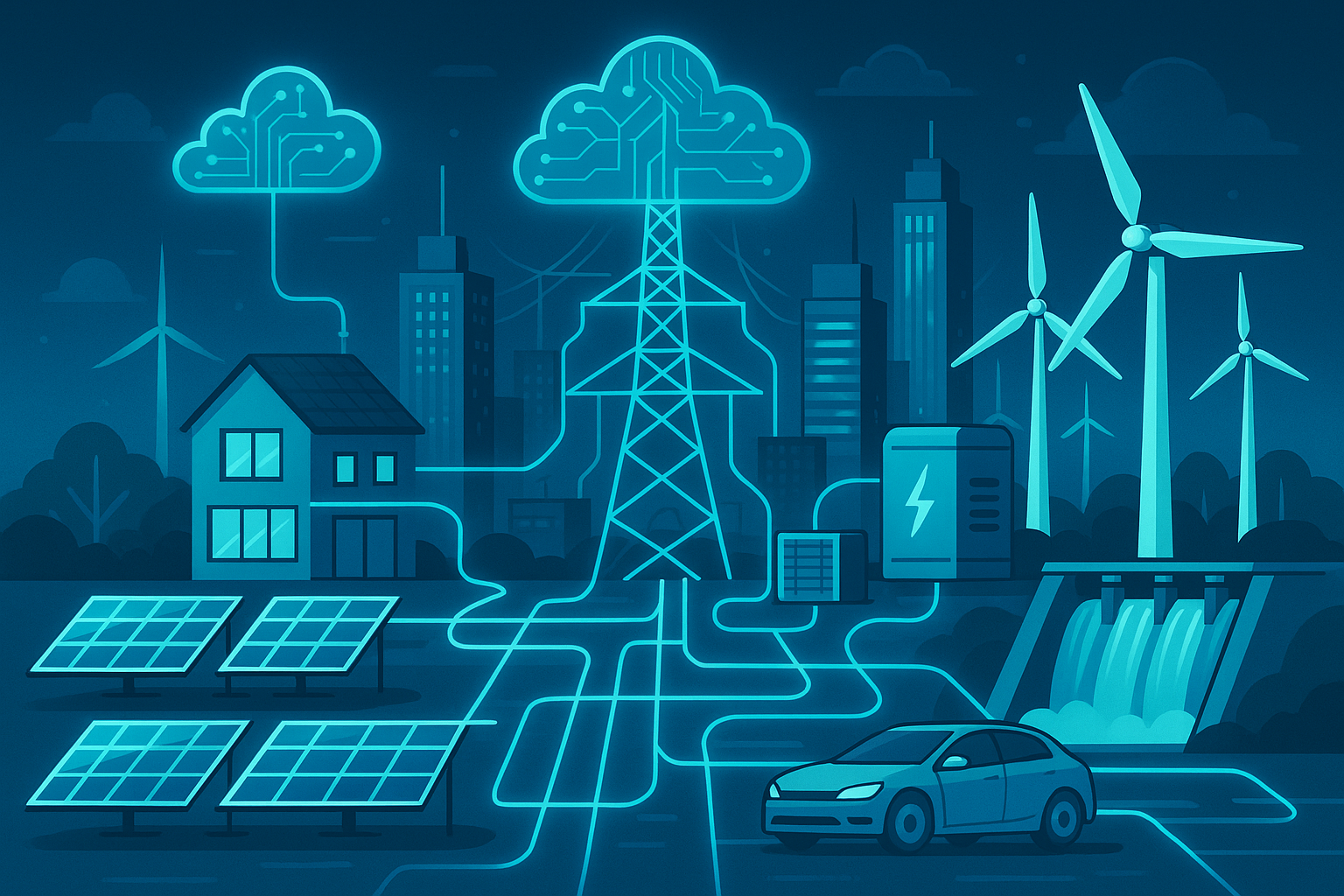
- Smart cities: Managing traffic, energy grids, and public infrastructure efficiently.
- Autonomous vehicles: Processing sensor data in real time to make safe driving decisions.
- Advanced healthcare: Enabling remote patient monitoring and smarter diagnostic tools.
As embedded systems become more widespread, ethical questions around data privacy, security, and responsible use of personal data are becoming increasingly important. Developers and organisations must address these concerns proactively to build public trust in the technologies they create.
Embedded systems are no longer just background technology. They are at the centre of how industries operate, how people stay healthy, and how cities function. As hardware and software capabilities continue to advance, the scope and impact of embedded systems will only grow wider.