Blue Eyes technology is one of the most ambitious developments in human-computer interaction. It aims to give machines the ability to sense, interpret, and respond to human emotions, gestures, and physical signals — much like another person would. From healthcare to automotive safety, this technology is quietly building the foundation for a smarter, more responsive digital world.
What Is Blue Eyes Technology?
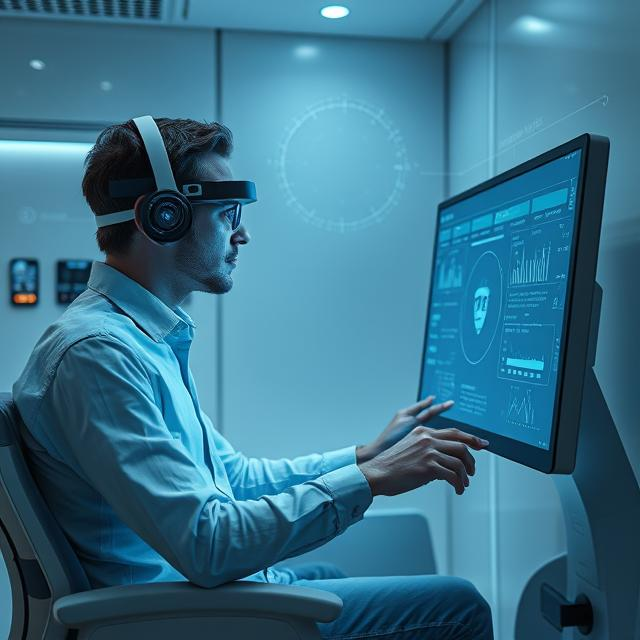
Blue Eyes technology is a combination of hardware and software designed to give computers human-like perception. Instead of relying only on keyboard inputs or touchscreens, it uses cameras, microphones, and sensors to read a user’s emotional state, intentions, and physical condition in real time.
The name reflects the goal: giving machines the ability to “see” and “understand” humans the way our own eyes and senses do. Smart algorithms process the collected data and help the system respond in a way that feels natural and context-aware.
- Cameras: Capture facial expressions, eye movements, and hand gestures to help the system identify emotions and user intent.
- Microphones: Record not just spoken words but also voice tone and pitch, helping the system understand emotional context beyond speech.
- Sensors: Measure physical signals like heart rate, skin conductivity, and body temperature to provide deeper insight into a user’s health or emotional state.
- Software: Processes all incoming data, interprets user needs, and determines the most appropriate machine response for each situation.
Key Applications Across Industries
Blue Eyes technology has practical uses across several sectors. Here is a look at where it could make the biggest difference:
| Industry | Application | Benefit |
|---|---|---|
| Accessibility | Eye tracking and gesture control | Helps people with disabilities use devices independently |
| Gaming | Emotion-responsive gameplay | Creates personalized, dynamic gaming experiences |
| Automotive | Driver fatigue and distraction detection | Reduces road accidents through real-time alerts |
| Healthcare | Patient emotion and health monitoring | Supports more accurate diagnoses and treatment |
| Customer Service | Emotion-aware interactions | Improves customer satisfaction and response quality |
In accessibility, Blue Eyes technology can be life-changing. People with limited mobility can control computers using only their eye movements or specific hand gestures, reducing dependence on traditional input devices.
In gaming, the technology opens the door to experiences that adapt based on how excited, bored, or stressed a player feels — making games more immersive and personally relevant.
For the automotive industry, Advanced Driver Assistance Systems (ADAS) powered by Blue Eyes can monitor blink rates and facial expressions to detect drowsiness or distraction, potentially preventing accidents before they happen.
In healthcare, doctors could use biometric data — such as heart rate and skin conductivity — alongside facial expression analysis to better understand a patient’s stress levels and overall condition, leading to more informed treatment decisions.
Customer service teams in retail, hospitality, and online support could use emotion recognition to tailor responses based on how a customer is feeling, creating more empathetic and effective service interactions.
Challenges That Must Be Addressed
Despite its potential, Blue Eyes technology faces real obstacles that need serious attention before widespread adoption becomes possible.
- Data Privacy and Security: The technology collects deeply personal data including emotional responses and biometric signals. Strong data protection frameworks are essential to prevent misuse or unauthorized access.
- Algorithm Accuracy: Interpreting complex human behavior is difficult. Current algorithms need significant improvement to reliably understand emotions and intentions without making costly errors.
- Ethical Concerns: Emotion recognition raises important questions about consent. Users may not always be comfortable with machines analyzing their feelings, making clear consent processes and ethical guidelines a necessity — not an option.
What the Future Holds for Blue Eyes Technology
As computer vision, sensor hardware, and machine learning continue to advance, Blue Eyes technology is expected to become more accurate, affordable, and widely integrated into everyday devices and systems.
Future systems could combine multiple data streams — visual, audio, and biometric — to build a much richer understanding of human needs in real time. This could lead to computers that genuinely adapt to individual users rather than forcing users to adapt to machines.
The technology also holds promise for mental health monitoring, smart home systems, and educational tools that respond to a student’s engagement level during learning sessions.
Governments and technology companies will need to work together to create regulatory frameworks that protect users while allowing innovation to grow responsibly.
Blue Eyes technology represents a meaningful shift in how humans and machines interact. Rather than replacing human connection, it aims to make technology feel more human — responsive, aware, and genuinely helpful. As the technology matures and ethical standards develop, it has the potential to improve lives across healthcare, mobility, safety, and beyond.