
The e-commerce boom has pushed warehouses to their limits. Customers now expect same-day deliveries, accurate tracking, and hassle-free returns. To keep up, fulfillment centers around the world are turning to intelligent robotic systems — and the results are reshaping the entire logistics industry.
The Pressure E-Commerce Is Putting on Warehouses
Online retail has created a new kind of operational challenge. Warehouses today must handle a level of complexity that traditional manual systems simply cannot manage at scale.
Key pressures include:
- Same-day and next-day delivery expectations from customers
- Massive order volumes that spike during sales seasons
- Complex inventory management across thousands of SKUs
- Fast and accurate return processing to maintain customer trust
Companies like Amazon Robotics, Ocado Technology, KUKA, and GreyOrange have responded by deploying intelligent robotic systems across their fulfillment centers. These are not simple machines running fixed programs — they are adaptive systems that learn and improve over time.
What Makes AI Warehouse Robots Different
Traditional warehouse machines follow pre-set instructions. AI-powered robots are different. They use machine learning and computer vision to make decisions in real time.
These systems can:
- Identify products using visual recognition cameras
- Navigate crowded warehouse floors without human guidance
- Optimize picking routes to save time and energy
- Predict demand trends based on historical data
- Automatically reorganize inventory for faster access
The more data these robots process, the better they perform. Over time, they become faster, more accurate, and more efficient — without needing manual reprogramming.
Smart Picking, Sorting, and Autonomous Movement
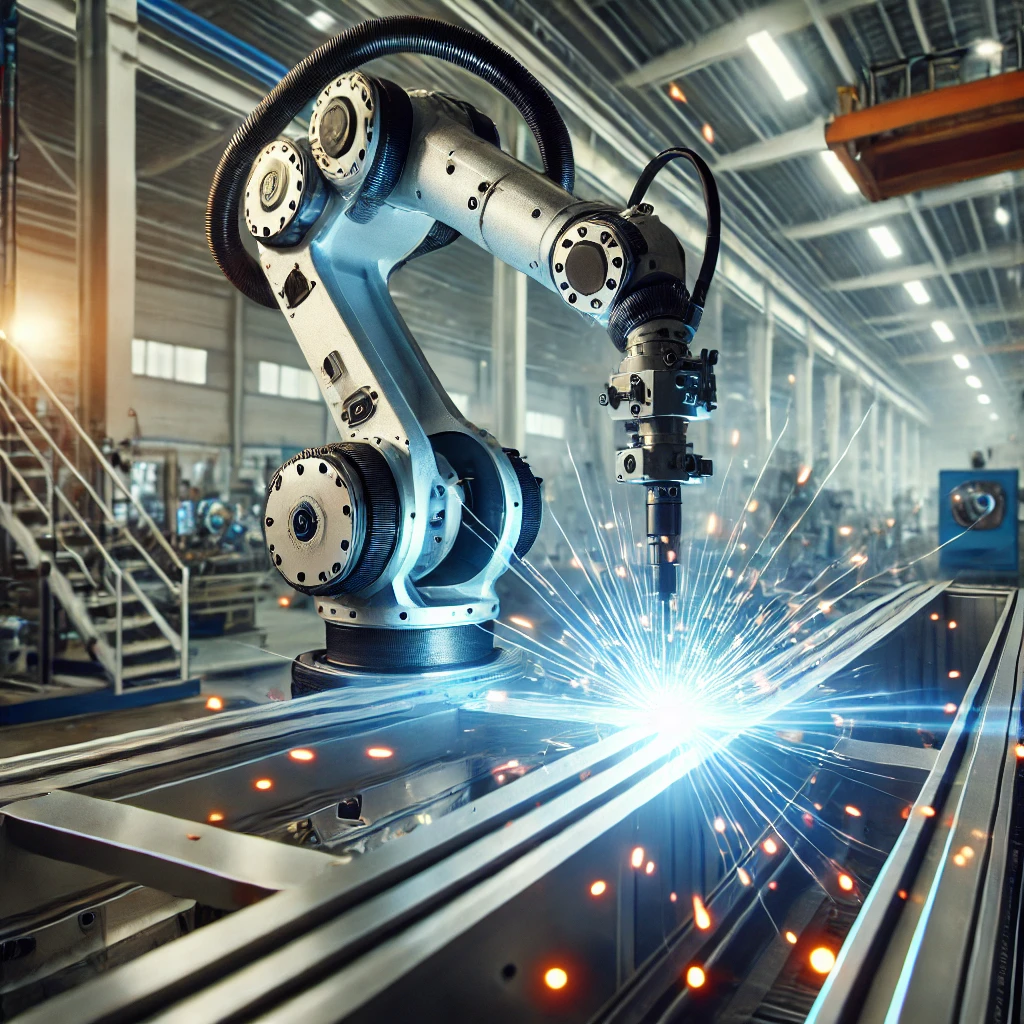
Order picking is one of the most time-consuming tasks in any warehouse. AI-driven robotic arms equipped with advanced cameras and adaptive gripping systems can now:
- Recognize different product shapes and sizes
- Handle fragile or irregularly packaged items with care
- Sort packages accurately by destination or priority
- Reduce picking errors that lead to wrong deliveries
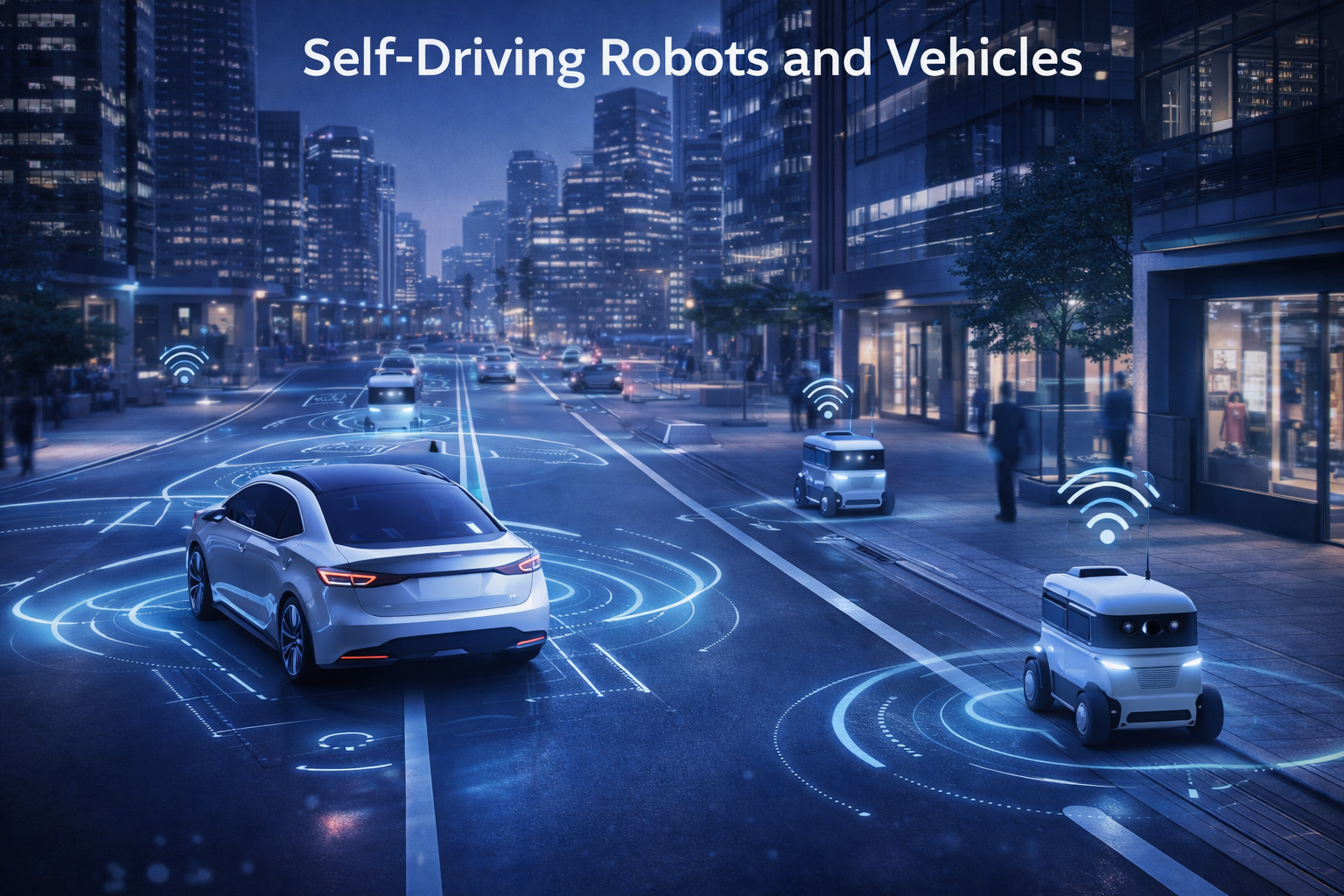
Alongside picking robots, Autonomous Mobile Robots (AMRs) are changing how goods move inside warehouses. Unlike fixed conveyor belts, AMRs move freely across the floor, transporting items between stations. They avoid obstacles automatically, coordinate with other robots, and adjust their routes in real time based on floor conditions.
This flexibility means warehouses can scale operations quickly without expensive infrastructure changes.
Real-Time Inventory Intelligence and Human-Robot Collaboration
Inventory management has always been a major pain point in logistics. AI-powered robotic systems now monitor stock levels continuously, detect shortages, identify misplaced items, and forecast future demand using predictive analytics.
The benefits are significant:
- Reduced overstocking and lower storage costs
- Faster restocking before shelves run empty
- Improved order accuracy and fewer customer complaints
- Better preparation for demand surges like festive sales
Importantly, robots are not replacing human workers in warehouses — they are working alongside them. Robots handle repetitive and physically demanding tasks like lifting, transporting, and sorting. Human workers focus on supervision, quality control, and complex problem-solving that machines cannot yet handle.
This human-robot collaboration reduces workplace injuries, improves productivity, and creates a safer working environment overall.
| Aspect | Traditional Warehouse | AI-Powered Robotic Warehouse |
|---|---|---|
| Order Picking Speed | Slow, manual | Fast, automated |
| Inventory Accuracy | Prone to human error | Real-time, high accuracy |
| Scalability | Requires more staff | Scales with software updates |
| Operating Hours | Limited by shifts | 24/7 continuous operation |
| Workplace Injuries | Higher risk | Significantly reduced |
Challenges Ahead and the Future of Warehouse Automation
Despite the clear advantages, adopting robotic warehouse systems is not without hurdles. Businesses must deal with:
- High initial investment costs for hardware and software
- Integration challenges with existing warehouse management systems
- Cybersecurity risks as more systems connect to networks
- Ongoing maintenance requirements for robotic fleets
However, as technology becomes more accessible and competition among robotics companies grows, these barriers are gradually coming down. Automation is shifting from being a premium option to an operational necessity for any serious e-commerce business.
Looking ahead, the next generation of warehouse robotics is expected to include fully autonomous fulfillment centers, energy-efficient robotic fleets, advanced demand forecasting tools, and deeper integration with smart transportation networks. As logistics technology matures, supply chains will become faster, smarter, and more sustainable.
For customers, this means quicker deliveries, fewer errors, and a better overall shopping experience. For businesses, it means staying competitive in a market where speed and accuracy are everything.
The warehouse of the future is not just automated — it is intelligent, adaptive, and built for the demands of modern commerce.