Hearing aids have come a long way from simple sound amplifiers. Today, brands like Oticon, Phonak, Starkey, and Widex are building intelligent hearing devices powered by machine learning and advanced audio processing. These smart hearing aids do not just make sounds louder — they make listening smarter, clearer, and deeply personal.
From Basic Amplifiers to Intelligent Listening Devices
Traditional hearing aids had one job: amplify everything. That approach often made background noise, traffic, and crowd chatter just as loud as the conversation you were trying to follow. The result was exhausting and often unhelpful.
Modern smart hearing aids work very differently. Using machine learning, they can:
- Distinguish human speech from background noise
- Automatically adjust volume based on the surrounding environment
- Identify different sound settings such as restaurants, offices, or outdoor spaces
- Learn and adapt to individual user preferences over time
Instead of treating all sounds equally, these devices prioritize voices and important audio cues. The listening experience feels natural rather than mechanical.
Real-Time Noise Cancellation and Speech Clarity
One of the standout features of AI hearing aids is advanced noise management. The device continuously analyzes incoming audio signals using machine learning algorithms. It identifies unwanted noise and reduces it instantly while boosting speech clarity.
This capability makes a real difference in everyday situations such as:
- Crowded public spaces like markets or train stations
- Business meetings with multiple speakers
- Family gatherings with overlapping conversations
- Outdoor environments with wind or traffic noise
For many users, this improvement in speech clarity directly boosts confidence in social situations. Conversations that once felt impossible become manageable and even enjoyable.
Personalized Sound Profiles and Health Monitoring
No two people experience hearing loss the same way. AI hearing aids address this by building personalized sound profiles for each user. The device analyzes frequency sensitivity, listening habits, speech clarity patterns, and daily usage to fine-tune audio delivery automatically over time.
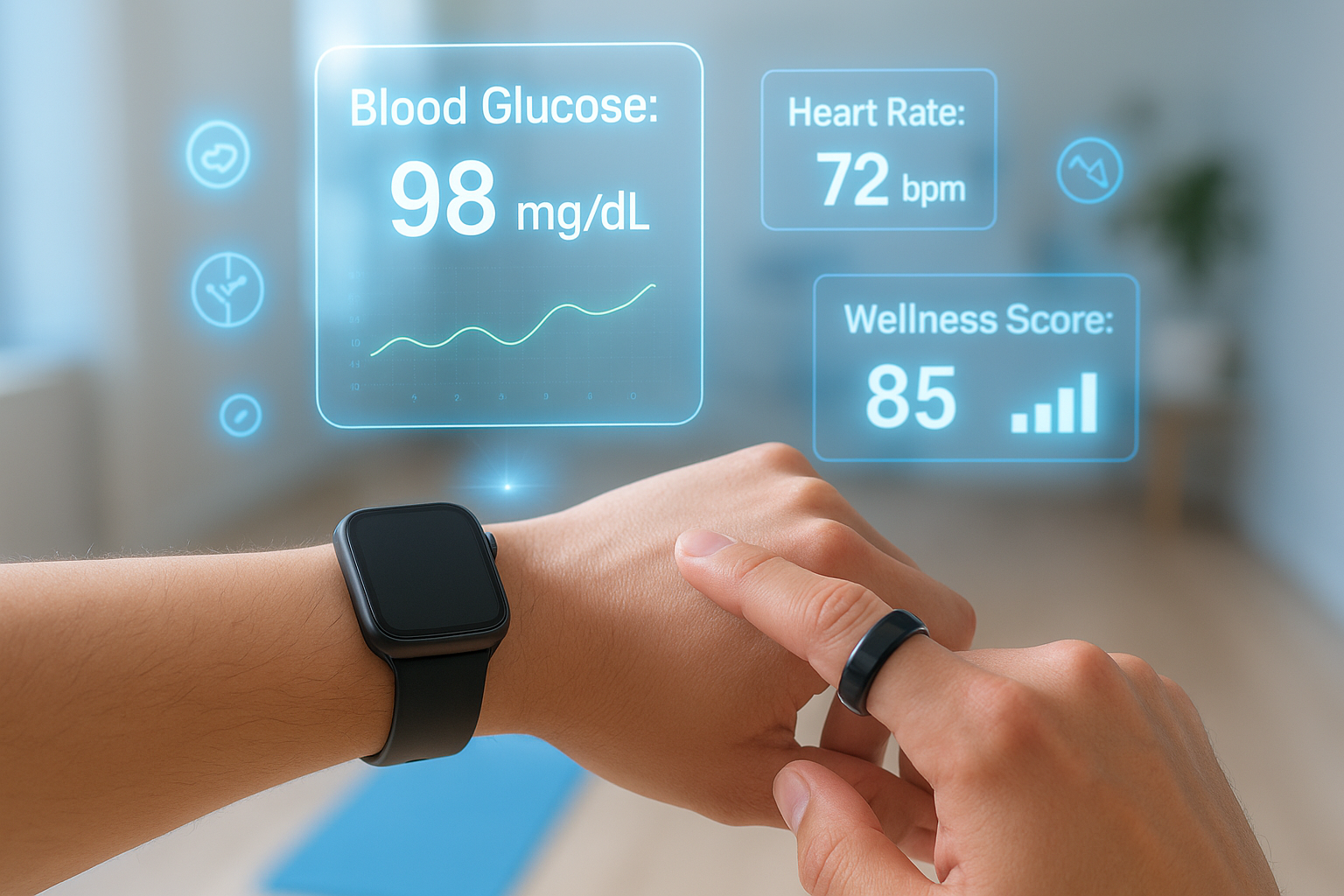
Beyond sound, some advanced models now include health tracking features similar to fitness wearables. These devices can:
- Track physical activity levels
- Detect falls and send emergency alerts
- Monitor social engagement patterns
- Provide insights related to cognitive health
For elderly users especially, fall detection and emergency alert features can be genuinely life-saving. Companion smartphone apps also allow family members to stay informed and connected.
Here is a quick comparison of traditional versus smart hearing aids:
| Feature | Traditional Hearing Aid | AI Smart Hearing Aid |
|---|---|---|
| Sound Processing | Amplifies all sounds equally | Prioritizes speech, reduces noise |
| Personalization | Manual adjustments only | Learns user preferences automatically |
| Connectivity | None | Pairs with smartphones, TVs, smart home devices |
| Health Features | Not available | Fall detection, activity tracking, cognitive insights |
| Language Support | Not available | Real-time translation via app integration |
Smart Connectivity, Translation, and Design
AI hearing aids are now fully connected wearables. They pair with smartphones, televisions, laptops, and smart home systems. Users can stream music, take phone calls, and interact with voice assistants directly through their hearing aids.
Some devices also connect to smartphone apps that offer live language translation, speech-to-text transcription, and voice assistant integration. For someone traveling abroad or working in a multilingual environment, hearing translated speech directly through a hearing aid opens up entirely new possibilities for communication.
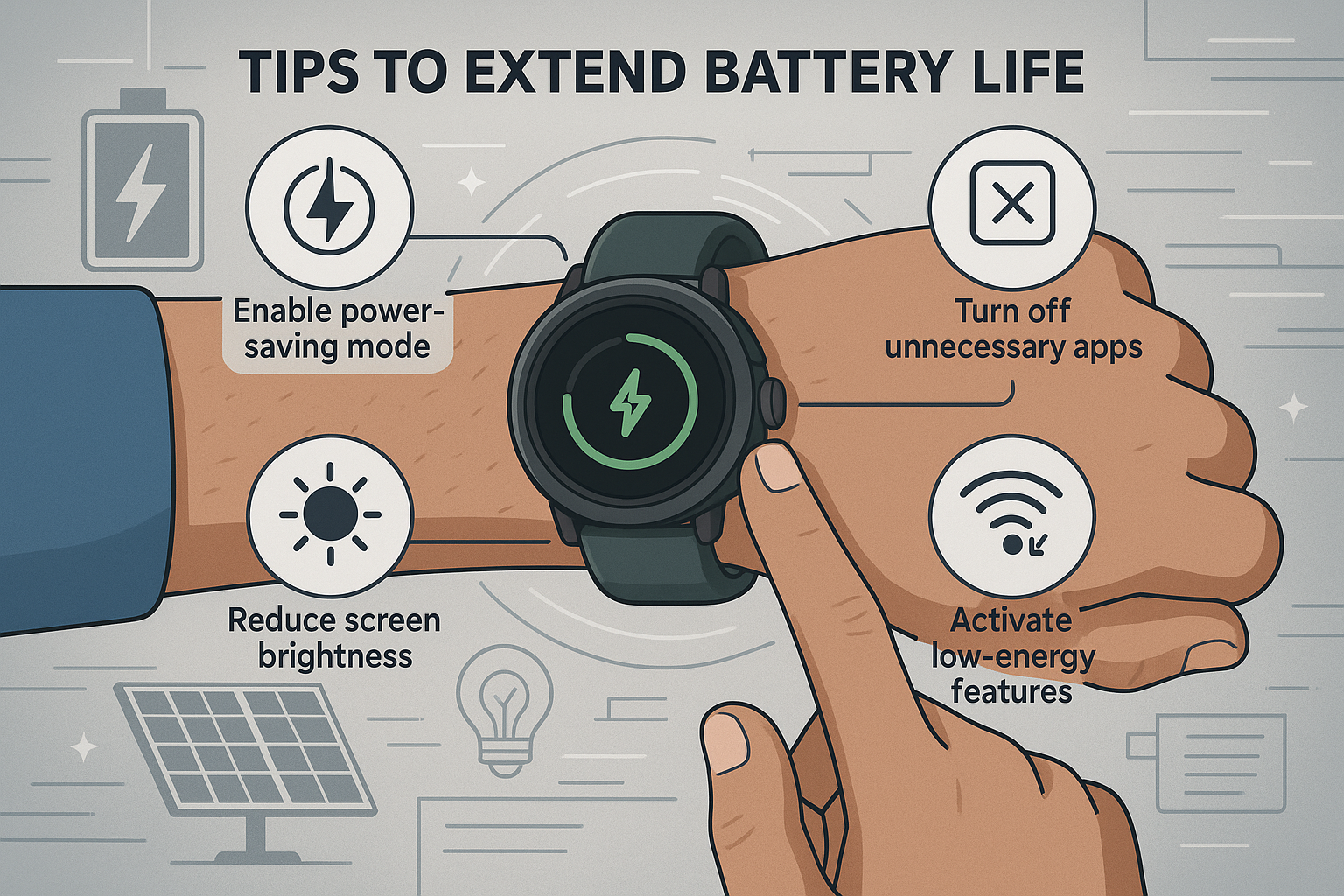
Design has also improved significantly. Modern hearing aids are smaller, lighter, and far more discreet than older models. Advanced chipsets pack powerful processing into compact shells. Many models are nearly invisible when worn. Rechargeable batteries and moisture-resistant builds add to everyday convenience and durability. As the stigma around wearing hearing aids decreases, more people are choosing to adopt them.
Privacy, Data Security, and What Comes Next
Since smart hearing aids process audio continuously, privacy is a genuine concern. Leading manufacturers are addressing this through:
- On-device processing that keeps audio data local
- Encrypted wireless connections
- Secure mobile app integrations
- User-controlled data permissions
Maintaining user trust is critical as these devices become more connected and data-rich.
Looking ahead, the next generation of AI hearing wearables may include emotional tone detection, enhanced cognitive assistance, automatic emergency response alerts, advanced neural sound processing, and deeper integration with augmented reality systems. These devices may eventually function as full-scale personal audio assistants — not just amplifying sound, but interpreting the world around the wearer.
Smart hearing aids from companies like Oticon, Phonak, Starkey, and Widex are already pushing these boundaries, and the pace of innovation shows no signs of slowing down.
Frequently Asked Questions
Traditional hearing aids amplify all sounds equally, which can make background noise overwhelming. AI smart hearing aids use machine learning to distinguish speech from noise, automatically adjust volume based on the environment, and learn individual user preferences over time for a much more natural listening experience.
Leading brands in AI hearing aid technology include Oticon, Phonak, Starkey, and Widex. Each offers models with advanced noise management, personalized sound profiles, smartphone connectivity, and in some cases health monitoring features like fall detection.
Yes. Several advanced AI hearing aid models can track physical activity, detect falls and send emergency alerts, monitor social engagement levels, and provide cognitive health insights. These features make them function similarly to health-focused wearables like fitness trackers.