Robots are no longer science fiction — they are actively working inside hospitals and operation theatres around the world. From assisting surgeons with complex procedures to delivering medicines across hospital floors, medical robots are helping healthcare professionals work faster, safer, and with greater precision. Here is a clear look at how robotics is reshaping modern medicine.
What Is Medical Robotics?
Medical robotics refers to the use of robotic systems to support and improve healthcare delivery. These machines are designed to work alongside doctors and nurses, not replace them. They handle tasks that require extreme precision, consistency, or physical effort that humans may find difficult to sustain over long periods.
Common tasks performed by healthcare robots include:
- Assisting surgeons during complex operations
- Transporting medicines, meals, and medical supplies within hospitals
- Supporting patients during physical therapy and rehabilitation
- Monitoring patients remotely through cameras and sensors
- Disinfecting hospital rooms to prevent the spread of infection
The goal is simple — help medical staff do their jobs better and reduce the chances of human error.
How Robotic Surgery Works
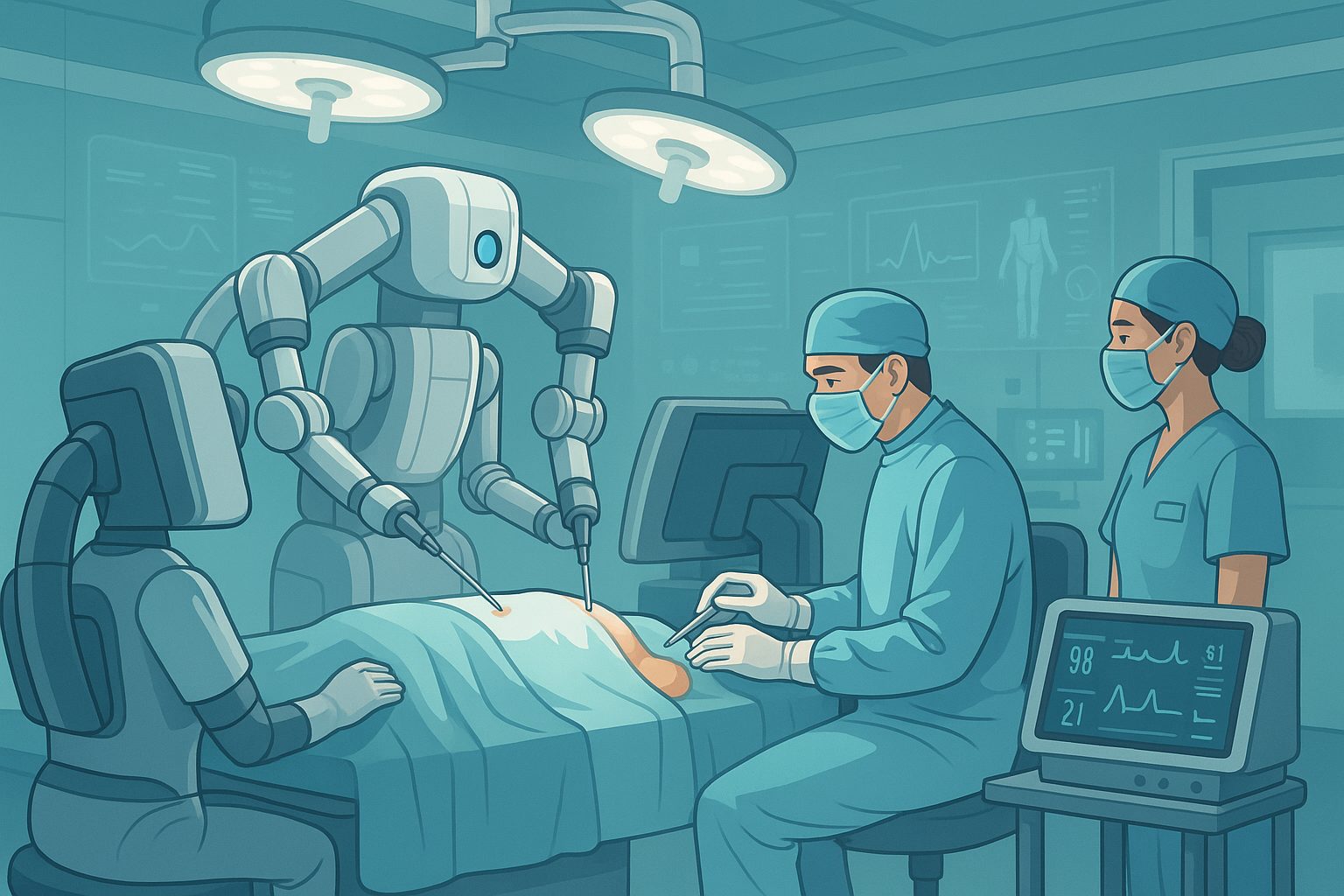
Robotic surgery is one of the most significant uses of robots in medicine. In a typical robotic surgery setup, the surgeon sits at a console and controls robotic arms fitted with tiny surgical tools. A high-definition 3D camera gives the surgeon a magnified view inside the patient’s body.
The robot’s arms can move with a level of precision that goes beyond what human hands can achieve naturally. This is especially useful in tight or delicate areas of the body where even a small mistake can have serious consequences.
Key benefits of robotic surgery include:
- Smaller incisions, which means less trauma to the body
- Reduced blood loss during the procedure
- Lower risk of infection after surgery
- Faster recovery times and shorter hospital stays
- Higher accuracy, which reduces the chance of surgical errors
One of the most well-known robotic surgery systems is the da Vinci Surgical System, which is used in heart surgery, urology, gynecology, and cancer treatment across hospitals worldwide.
Types of Robots Used in Hospitals
Hospitals today use a wide range of robotic systems, each designed for a specific purpose. Here is a comparison of the main types:
| Robot Type | Primary Function | Example |
|---|---|---|
| Surgical Robots | Assist in precision operations | da Vinci Surgical System |
| Rehabilitation Robots | Help patients regain movement after injury or stroke | ReWalk Robotics exoskeleton |
| Hospital Service Robots | Deliver medicines, meals, and equipment | TUG robot by Aethon |
| Telepresence Robots | Allow remote doctor-patient communication | InTouch Health robots |
| Disinfection Robots | Sanitize rooms using UV light or disinfectant spray | Xenex LightStrike |
Rehabilitation robots like the wearable suits made by ReWalk Robotics help patients with spinal cord injuries relearn how to walk. Disinfection robots became especially important during the COVID-19 pandemic, when hospitals needed fast and reliable ways to keep rooms sterile.
Real-World Examples of Medical Robots in Action
Several leading hospitals across the world have already adopted robotic systems with strong results:
- Apollo Hospitals, India — Uses robotic surgery systems for cancer treatment and cardiac procedures, making complex operations more accessible to patients across the country.
- Mayo Clinic, USA — Deploys robotic assistants to improve hospital safety, reduce staff workload, and enhance patient care quality.
- ReWalk Robotics — Produces wearable robotic exoskeletons that allow individuals with spinal cord injuries to stand and walk again, significantly improving their quality of life.
Challenges Facing Medical Robotics Today
Despite the clear advantages, medical robotics still faces real challenges that slow down wider adoption:
- High cost: Robotic systems are expensive to purchase, install, and maintain. This puts them out of reach for many smaller hospitals, especially in developing regions.
- Specialized training required: Surgeons and hospital staff need dedicated training to operate these machines safely and effectively.
- Technical failures: Although rare, software glitches or mechanical issues can occur during procedures, which requires backup protocols to be in place.
As technology improves and production scales up, costs are expected to come down, making these systems more widely available.
What the Future of Healthcare Robotics Looks Like
The next phase of medical robotics is expected to bring even more significant changes to how hospitals operate. Researchers and engineers are working on:
- Smarter surgical robots that can learn from thousands of past procedures to improve their own performance over time
- Miniature robots small enough to travel through the human bloodstream and deliver treatment directly to affected cells
- Highly automated hospitals where robots handle a large portion of routine tasks, freeing up medical staff to focus on patient care
These developments point toward a future where medical care is faster, more precise, and more accessible to people across the world.
Robotics in healthcare is not a distant concept — it is already saving lives and improving outcomes for patients today. As these technologies become more affordable and widely adopted, their impact on global health will only grow stronger.
Frequently Asked Questions
Robotic surgery is a type of minimally invasive procedure where a surgeon controls robotic arms fitted with small surgical tools. The surgeon operates from a console using a 3D camera view inside the patient's body. The robot provides greater precision than human hands, resulting in smaller incisions, less blood loss, and faster recovery.
Apollo Hospitals is one of the leading hospitals in India that uses robotic surgery systems for cancer treatment and cardiac procedures. Several other major hospital chains across Indian cities have also adopted robotic surgical systems in recent years.
The main challenges include the high cost of purchasing and maintaining robotic systems, the need for specialized training for medical staff, and the rare possibility of technical failures during procedures. As technology advances and costs decrease, these challenges are gradually being addressed.