The construction industry is one of the largest contributors to global carbon emissions and resource consumption. As awareness grows about environmental impact, builders, architects, and homeowners are increasingly turning to sustainable materials that reduce waste, save energy, and support a healthier planet. Here is a look at the most widely used eco-friendly building materials today and why they matter for the future of construction.
Bamboo: The Fast-Growing Renewable Building Material
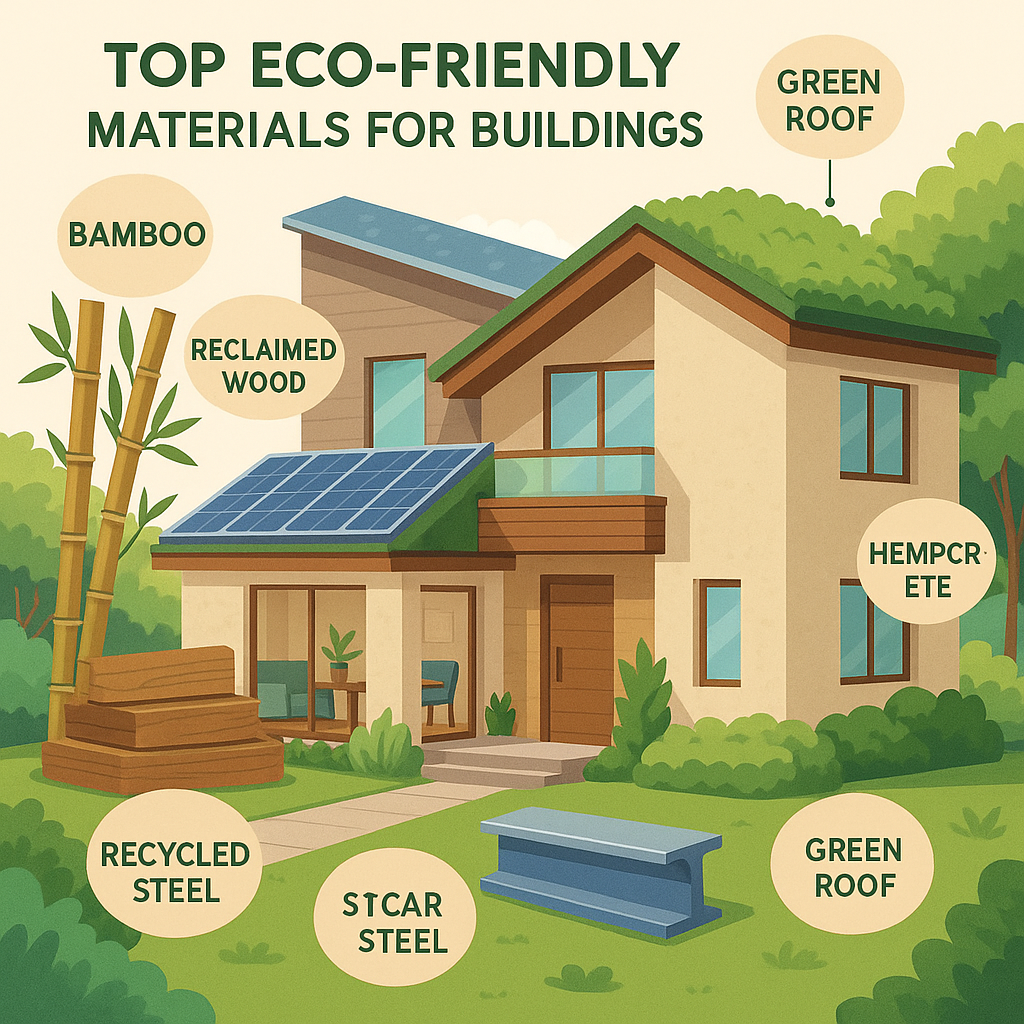
Bamboo has moved well beyond furniture and decorations — it is now a serious building material used in flooring, wall panels, and even structural support in certain regions. What makes it stand out is its remarkable growth rate, sometimes reaching up to three feet in a single day. Unlike most trees, bamboo does not need to be replanted after harvesting because it regrows from its existing root system.
- Renewable: Regrows naturally without replanting
- Strong: Tougher than many common hardwoods
- Flexible: Lightweight and adaptable for various uses
Bamboo is particularly popular in South and Southeast Asia, where it has been used in traditional construction for centuries. Its growing adoption in modern green buildings reflects its genuine structural value.
Recycled Steel and Cross-Laminated Timber: Industrial Strength Meets Sustainability
Two materials that have become central to sustainable large-scale construction are recycled steel and Cross-Laminated Timber (CLT).
Recycled Steel gives old metal a second life instead of requiring fresh ore extraction. It is widely used in building frames, bridges, and support beams. Steel can be recycled repeatedly without losing its structural integrity, making it one of the most circular materials available in construction.
- Reduces demand for virgin raw materials
- Extremely durable and long-lasting
- Diverts scrap metal from landfills
Cross-Laminated Timber (CLT) is an engineered wood product made by bonding timber layers at 90-degree angles. This process creates a strong, stable panel suitable for walls, roofs, and floors. CLT is gaining popularity in eco-friendly construction projects worldwide, including multi-storey timber buildings.
- Sourced from sustainably managed forests
- Stores carbon within the wood itself
- Requires significantly less energy to produce than steel or concrete
| Material | Primary Use | Key Eco Benefit |
|---|---|---|
| Recycled Steel | Frames, beams, bridges | Reduces raw material extraction |
| Cross-Laminated Timber | Walls, floors, roofs | Carbon storage, low energy production |
| Bamboo | Flooring, panels, support | Fast-renewable, no replanting needed |
| Reclaimed Wood | Interior finishes, flooring | Prevents landfill waste, saves trees |
| Hempcrete | Insulation, non-load walls | Carbon-absorbing, pest-resistant |
Reclaimed Wood and Hempcrete: Waste Reduction and Natural Insulation
Reclaimed wood is salvaged from old buildings, barns, factories, and other structures before they are demolished. Instead of cutting down more trees, builders repurpose this wood for flooring, wall cladding, furniture, and decorative elements. It brings a distinctive rustic character to modern homes while significantly reducing construction waste.
- Keeps usable wood out of landfills
- Reduces pressure on forests
- Adds unique aesthetic appeal to interiors
Hempcrete is a bio-composite material made from the inner fibers of the hemp plant mixed with lime. It is lightweight, breathable, and provides excellent thermal insulation. While hempcrete cannot bear structural loads on its own and is typically used alongside wooden frames, it offers impressive environmental credentials.
- Made from fast-growing hemp plants
- Absorbs carbon dioxide over time, making it carbon-negative
- Naturally resistant to pests and mold
Recycled Plastic and Cork: Innovative Solutions for a Greener Build
Plastic pollution is a global crisis, but the construction sector is finding ways to put waste plastic to productive use. Recycled plastic is now being used to manufacture bricks, roof tiles, insulation panels, and composite lumber. These products are weather-resistant, durable, and help divert plastic from oceans and landfills.
- Reduces plastic waste in the environment
- Highly durable and weather-resistant
- Can be recycled again at end of life
Cork is harvested from the bark of cork oak trees, a process that does not harm the tree. The bark regenerates naturally, making cork one of the most genuinely renewable materials available. It is used in flooring, wall tiles, and as a natural insulator in buildings.
- Harvesting does not damage or kill the tree
- Biodegradable and fully renewable
- Naturally resistant to mold, insects, and moisture
Both materials represent a broader shift in the industry toward circular economy principles — where waste from one process becomes a resource for another.
Why Choosing Sustainable Materials Matters for Builders and Homeowners
Switching to eco-friendly building materials is not just an environmental choice — it also makes practical and financial sense over time. Buildings constructed with sustainable materials often have lower energy bills, better indoor air quality, and longer lifespans. Many green materials also qualify for government incentives and green building certifications such as LEED or GRIHA in India.
- Lower long-term energy and maintenance costs
- Healthier indoor environments for occupants
- Potential eligibility for green building certifications
- Reduced carbon footprint for the entire building lifecycle
- Growing market demand for sustainable homes and offices
As regulations around construction emissions tighten globally, builders who adopt these materials early will be better positioned for the future.
The shift toward eco-friendly construction materials is not a passing trend — it reflects a fundamental change in how the industry thinks about resources, waste, and long-term impact. Whether it is bamboo flooring in a residential home, recycled steel in a commercial tower, or hempcrete insulation in a rural cottage, each sustainable choice contributes to a built environment that works with nature rather than against it. For anyone planning a construction or renovation project, exploring these materials is a practical step toward a more responsible and resilient building.