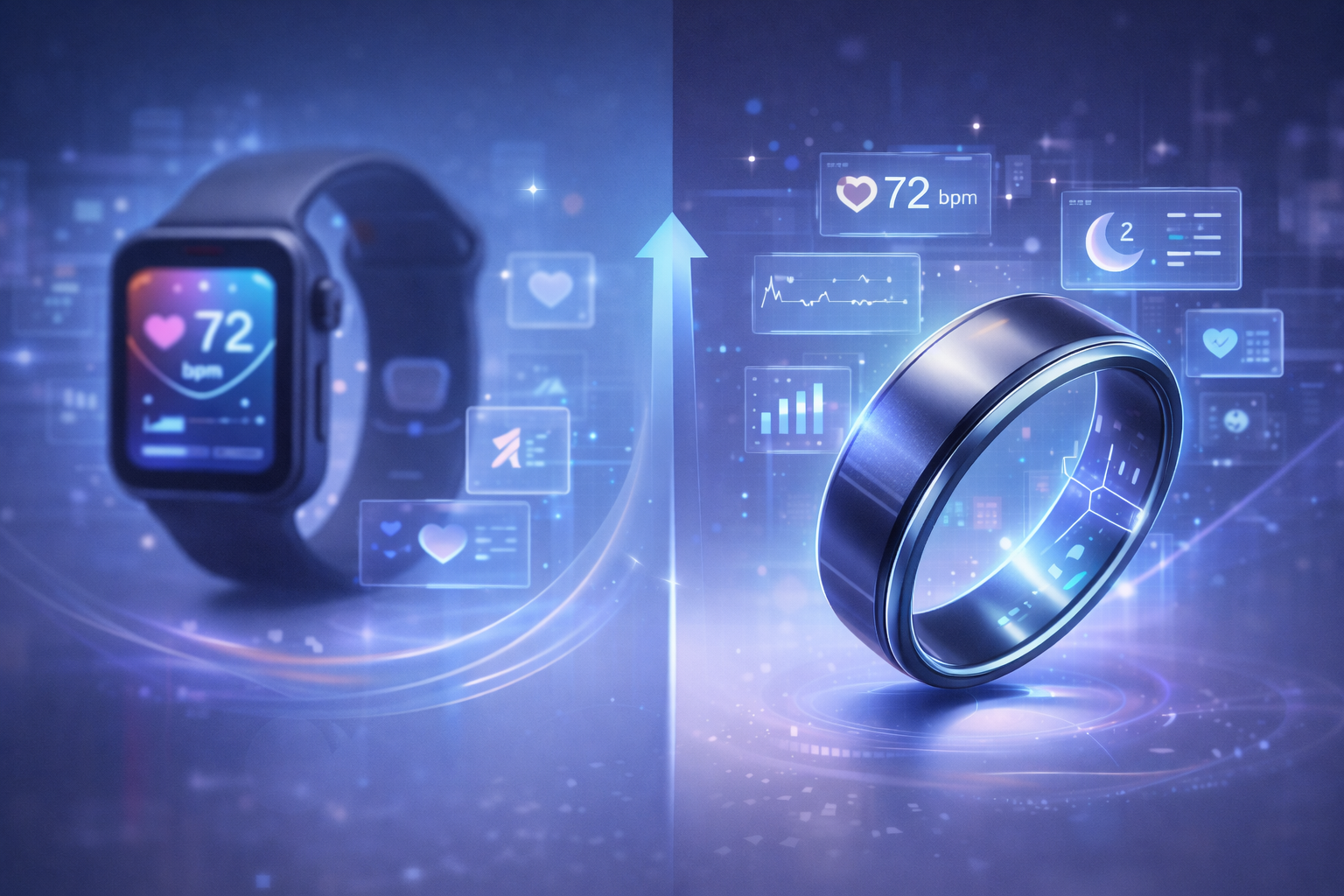
Smartwatches have dominated the wearable technology market for years, but a quieter, smaller competitor is gaining ground fast. Smart rings are winning over health-conscious users who want accurate tracking without the bulk, screens, or daily charging that smartwatches demand. Here is a detailed look at why smart rings are becoming a serious alternative — and may soon lead the wearables market.
Small Size, Comfortable Design, and All-Day Wearability
One of the most immediate advantages of a smart ring is how easy it is to wear. These devices are lightweight, slim, and look just like a regular ring. Unlike a smartwatch, which can feel bulky on the wrist during workouts or while sleeping, a smart ring sits naturally on the finger without drawing attention.
This comfort factor matters more than people realize. A wearable device is only useful if people actually wear it consistently. Because smart rings feel like regular jewellery, users are far more likely to keep them on 24 hours a day — which also means more continuous and reliable health data.
Longer Battery Life Compared to Smartwatches
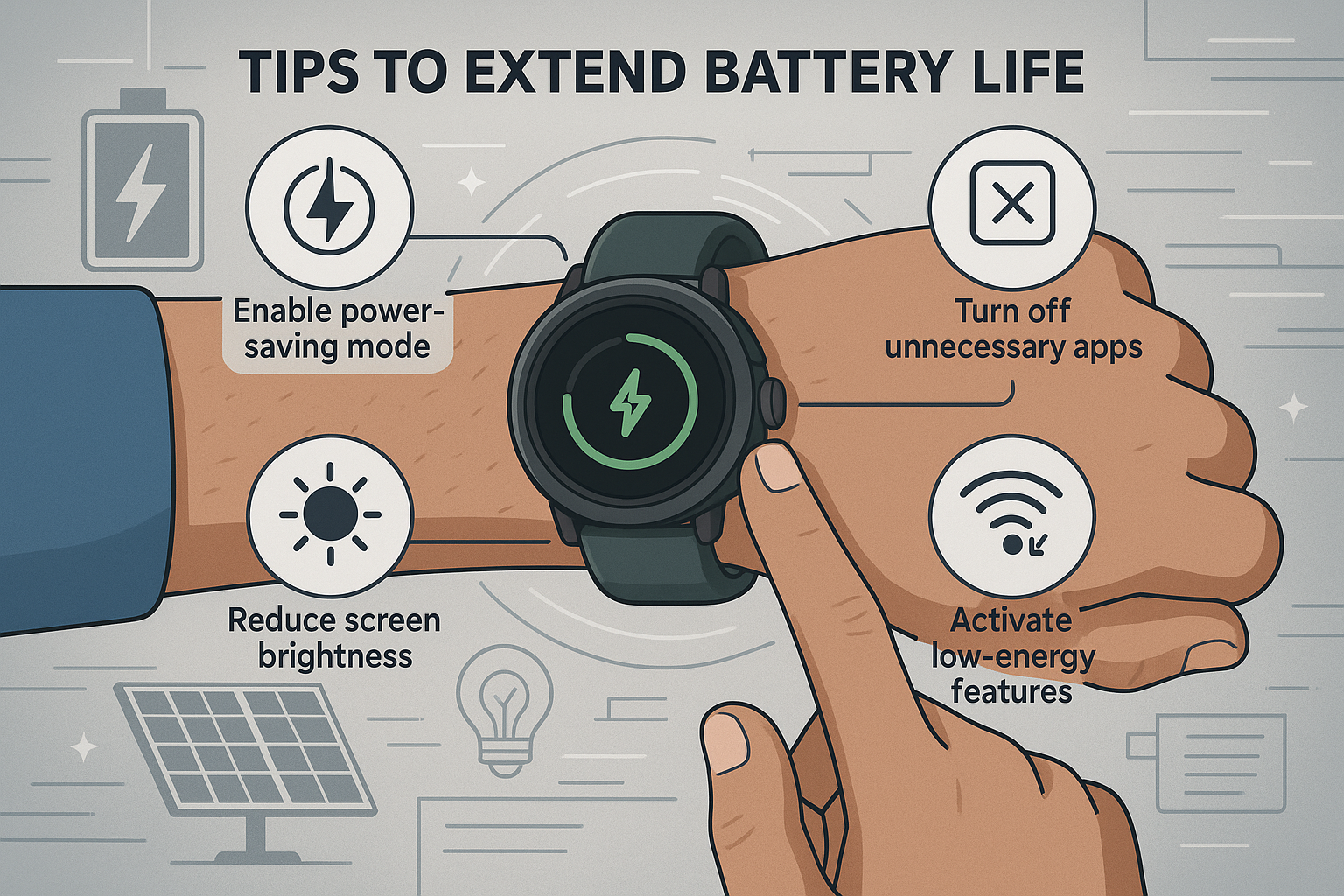
Battery life is one of the biggest pain points with smartwatches. Most popular smartwatches need to be charged every single day, which interrupts tracking and becomes a daily chore for users.
Smart rings solve this problem effectively. Many smart rings last several days on a single charge, meaning users can go through an entire week without worrying about plugging in their device. This longer battery life makes the overall experience far more convenient and encourages consistent use.
| Feature | Smart Ring | Smartwatch |
|---|---|---|
| Battery Life | Several days | Usually 1 day |
| Display | No screen | Full touchscreen |
| Comfort During Sleep | Very comfortable | Can feel bulky |
| Health Focus | Primary function | One of many features |
| Distraction Level | Low | High (notifications) |
Accurate Health and Sleep Tracking From the Finger
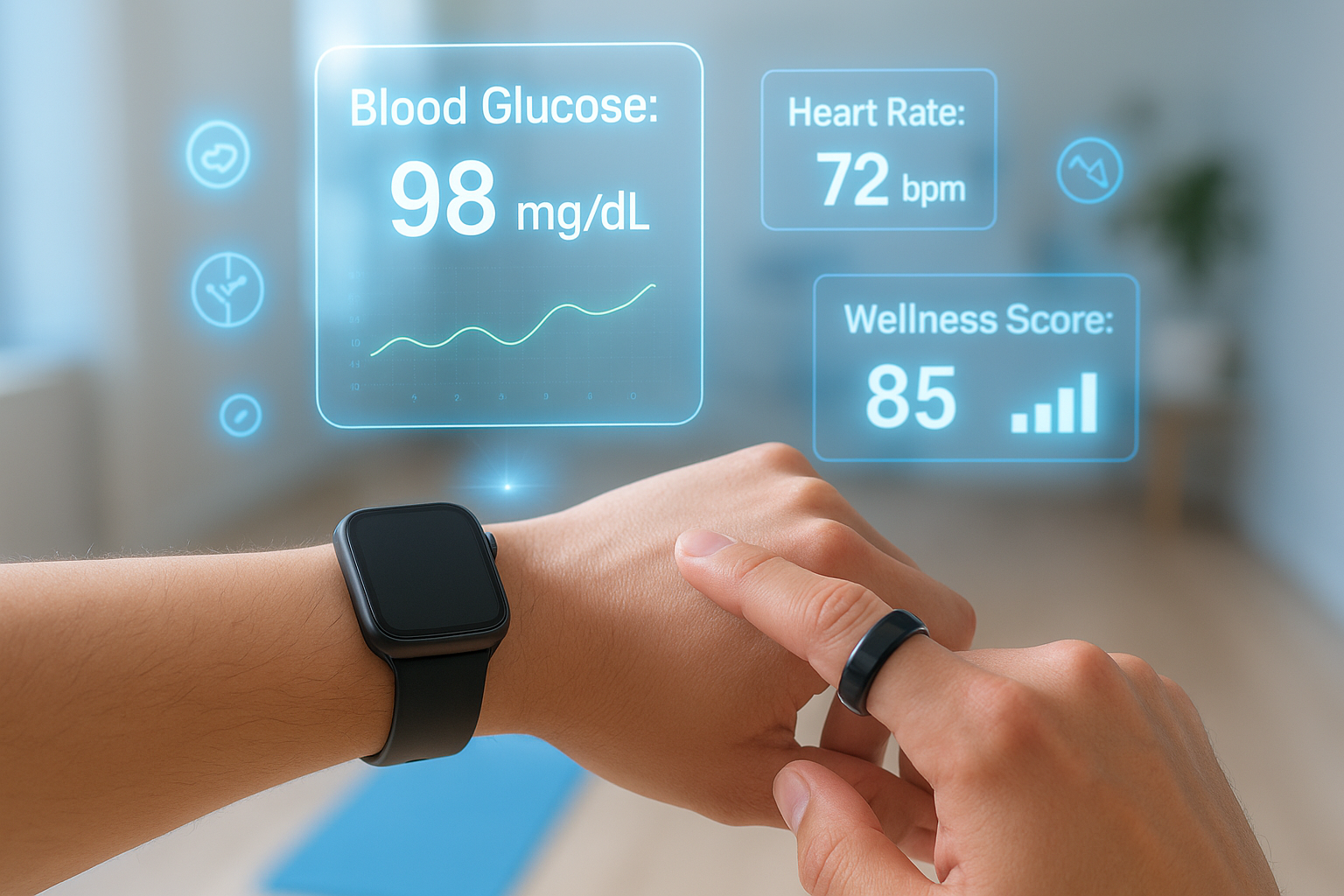
Smart rings are built specifically for health monitoring. The finger is actually an excellent location for sensors because blood vessels are close to the skin’s surface, allowing for more precise readings.
Most smart rings track a comprehensive range of health metrics, including:
- Heart rate — continuous monitoring throughout the day and night
- Sleep quality — detailed breakdown of sleep stages and duration
- Body temperature changes — useful for detecting illness or hormonal shifts
- Stress and recovery levels — helping users understand when to rest or push harder
This focused approach to health tracking makes smart rings particularly appealing to people who are serious about wellness, fitness recovery, and long-term health management.
No Screen Means Fewer Distractions and Better Focus
Smartwatches are powerful mini-computers on the wrist. They show notifications, messages, calls, and app alerts — which can be overwhelming for many users. The constant buzz and glow of a smartwatch screen pulls attention away from real life.
Smart rings take a completely different approach. Without a screen, they quietly collect health data in the background without interrupting the user’s day. All the data is available later through a connected smartphone app, giving users control over when they check their health insights.
This design philosophy appeals strongly to people who want to reduce screen time, stay more present, and avoid digital overload — a growing priority for many users in India and globally.
Smartphone Integration and Intelligent Health Insights
Smart rings pair with dedicated mobile apps that display all collected health data in a clear, easy-to-understand format. What makes this even more powerful is the use of data analysis to identify patterns over time.
These apps can detect trends in sleep, activity, and recovery, then suggest practical changes to improve health outcomes. For example, a user might learn that their sleep quality drops on days with high stress levels, or that their heart rate recovery improves after consistent exercise.
As more companies invest in smart ring technology, the quality of these insights is improving rapidly. Brands are competing to offer better sensors, smarter apps, and more personalised health recommendations — all at increasingly competitive price points.
Growing Market, Better Options, and Falling Prices
Smart rings were once a niche product with limited options and high price tags. That is changing quickly. More technology companies are entering the smart ring space, bringing better features and more affordable pricing to a wider audience.
As competition increases, consumers benefit from improved hardware, longer battery life, and more accurate sensors — all at prices that make smart rings a realistic choice for everyday users, not just early adopters or fitness enthusiasts.
The wearable technology market in India is also growing, with consumers showing strong interest in health-focused devices. Smart rings are well-positioned to capture this demand as awareness and availability increase.
Smart rings represent a clear shift in how people think about wearable technology. Instead of carrying a mini-smartphone on the wrist, users are choosing devices that work quietly in the background, prioritise health data, and fit naturally into their lifestyle. As comfort, battery life, accurate tracking, and affordability continue to improve, smart rings have a genuine opportunity to become the preferred wearable for health-conscious consumers — and potentially overtake smartwatches as the go-to device in the years ahead.