Software development teams are working faster and smarter in 2026, and much of that progress comes from integrating artificial intelligence into DevOps workflows. From writing code to deploying applications and keeping systems secure, AI is now a core part of how modern engineering teams operate — not just a helpful add-on.
AI Brings Smarter Automation to DevOps Pipelines
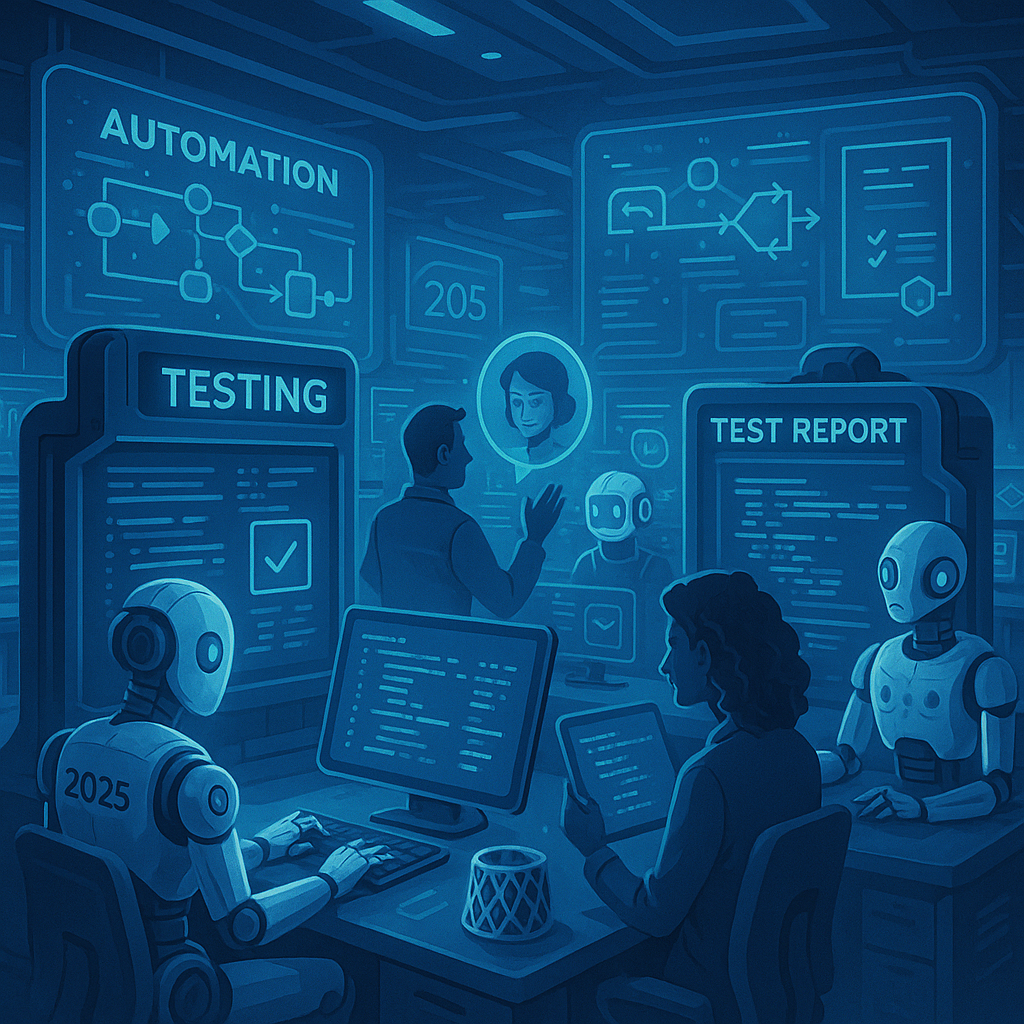
Traditional DevOps automation relied heavily on fixed scripts and rule-based systems. These approaches worked well for predictable tasks but struggled when conditions changed. AI changes this by learning from real data — system logs, performance metrics, and past incidents — to make intelligent decisions on the fly.
Instead of waiting for a human to intervene, AI-powered systems recognize patterns, adapt to new situations, and automate complex tasks with minimal oversight. This shift reduces manual effort significantly and allows engineering teams to focus on higher-value work.
Key areas where AI-driven automation is making a difference include:
- Automated code reviews that flag issues before they reach production
- Self-healing pipelines that detect and recover from failures automatically
- Dynamic resource allocation based on real-time workload demands
- Intelligent test selection that runs only the most relevant test cases
Smarter CI/CD Pipelines and Faster Software Releases
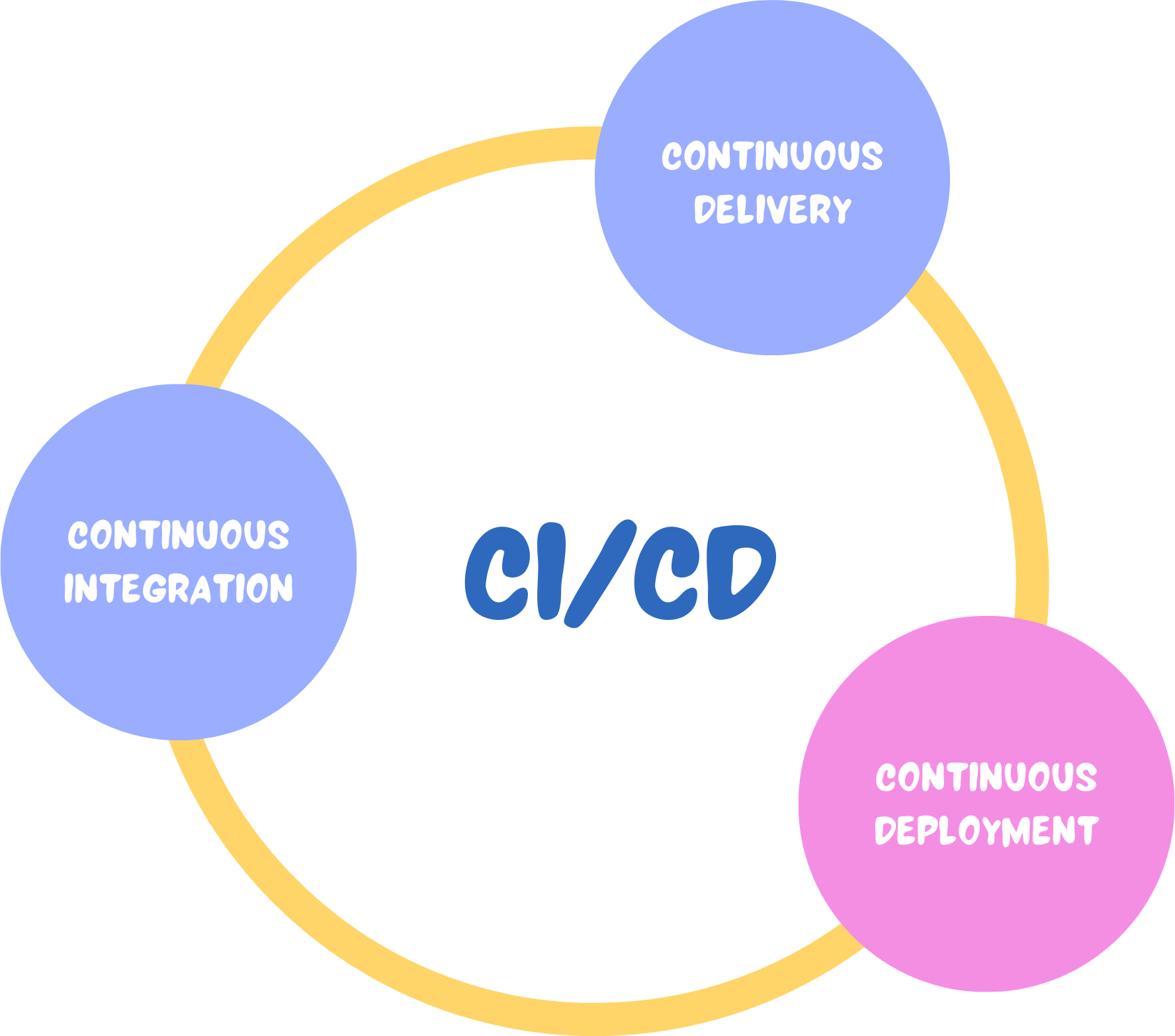
Continuous Integration and Continuous Deployment pipelines are the backbone of modern software delivery. With AI, these pipelines become significantly more efficient and reliable.
AI analyzes code changes before deployment and predicts which changes are likely to cause failures. It selects the most critical test cases rather than running every test every time, which speeds up the pipeline without sacrificing quality. The result is faster releases, fewer rollbacks, and better software reaching end users.
Teams using AI-enhanced CI/CD pipelines report reduced pipeline errors and shorter deployment cycles. This directly translates to a competitive advantage — businesses can ship features and fixes faster than those relying on traditional methods.
Predictive Monitoring, Security, and Faster Incident Resolution
One of the most valuable contributions AI makes to DevOps is in monitoring and security. Traditional monitoring tools react after a problem has already affected users. AI-based monitoring takes a proactive approach.
AI watches system behavior continuously, detects unusual patterns, and sends early alerts before issues escalate. In many cases, it can resolve minor problems automatically without any human involvement. This keeps applications running smoothly and reduces costly downtime.
Security has also become a built-in part of the DevOps process — often called DevSecOps. AI scans code, containers, and deployments to catch vulnerabilities early in the development cycle. It identifies suspicious behavior, reduces false security alerts, and helps teams maintain strong security without slowing down development speed.
When incidents do occur, AI speeds up root cause analysis by connecting logs, metrics, and system events to pinpoint the exact problem quickly. It also suggests fixes based on similar past incidents, cutting recovery time and improving overall system reliability.
Here is a quick comparison of traditional DevOps monitoring versus AI-powered monitoring:
| Feature | Traditional Monitoring | AI-Powered Monitoring |
|---|---|---|
| Problem Detection | Reactive — after failure | Predictive — before failure |
| Alert Accuracy | High false positive rate | Reduced false alerts |
| Incident Response | Manual investigation | Automated root cause analysis |
| Self-Healing | Not available | Available for common issues |
Intelligent Infrastructure Management and Cost Optimization
Managing cloud infrastructure manually is both time-consuming and expensive. AI makes this process more efficient by automatically scaling servers up or down based on demand, optimizing cloud resource usage, and identifying configuration issues before they cause problems.
AI also detects performance bottlenecks and recommends infrastructure changes that improve stability. For businesses running large-scale cloud environments, this can lead to meaningful cost savings while maintaining high performance.
AI assistants are also becoming standard tools for DevOps engineers. These tools help generate scripts, explain error messages in plain language, and recommend best practices. Engineers spend less time on repetitive tasks and more time building and improving systems.
Business Impact and the Road Ahead for AI-Driven DevOps
The business case for adopting AI in DevOps is strong. Organizations that have integrated AI into their workflows report:
- Faster software delivery with shorter release cycles
- Lower operational costs through automated resource management
- Stronger security posture with early vulnerability detection
- Improved system reliability and reduced downtime
- Higher developer productivity by reducing repetitive manual tasks
Looking ahead, DevOps is moving toward self-managing systems where AI handles most routine operational tasks automatically. Human engineers will shift their focus toward strategy, architecture, and innovation rather than day-to-day maintenance. This evolution will make DevOps teams more scalable and better equipped to handle growing system complexity.
AI is no longer a future concept for DevOps — it is already reshaping how software is built, deployed, and maintained in 2026. Teams and organizations that adopt AI-driven DevOps practices now are building a strong foundation for reliable, secure, and efficient software delivery well into the future.