Wearable technology has come a long way from simple step counters and notification displays. In 2025, smartwatches, smart rings, and AR glasses let users control their devices with just a word or a hand movement. This hands-free approach is changing how people interact with everyday gadgets — making them faster, easier, and more accessible than ever before.
What Is Voice and Gesture Control?
Voice and gesture control allows users to operate a device without physically touching it. Instead of tapping a small screen, you either speak a command or move your hand in a specific way.
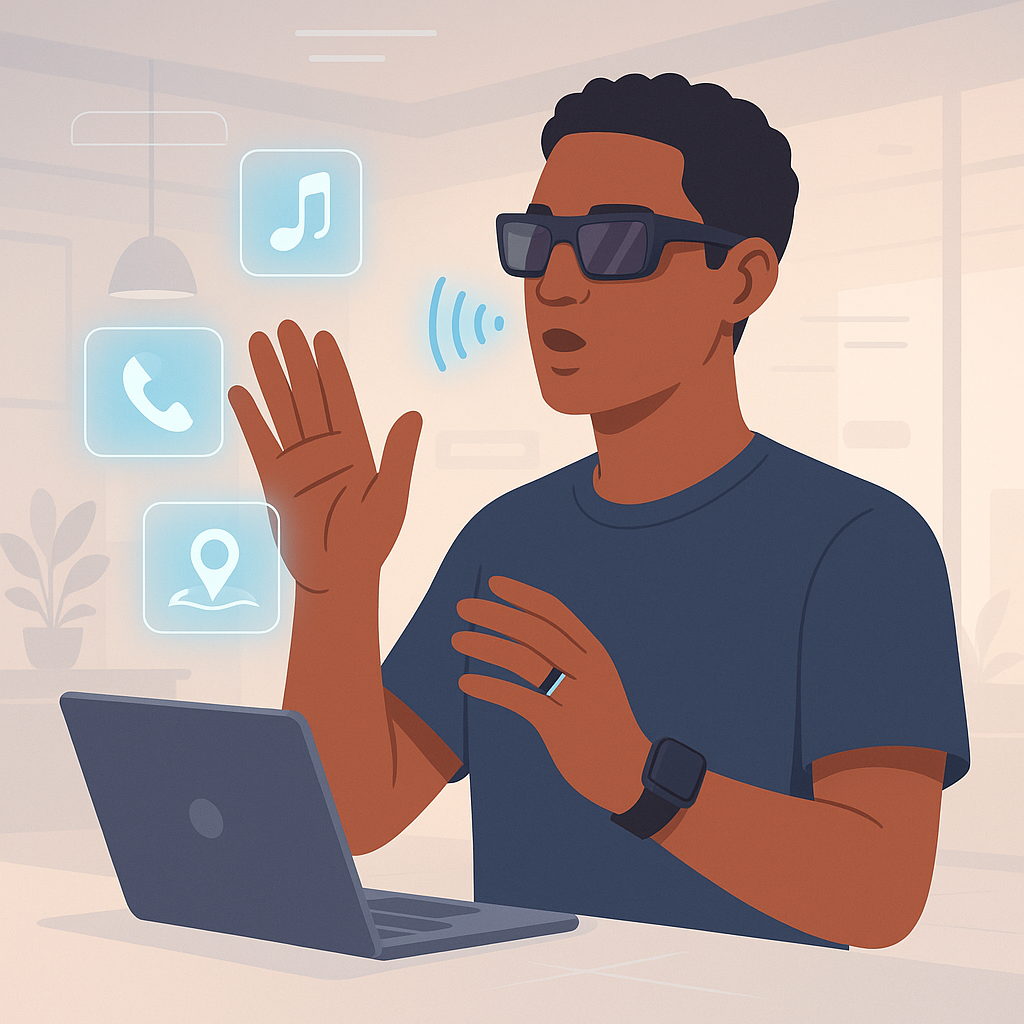
- Voice Control: You speak directly to the device — for example, saying “Play music” or “Call John” — and the device responds instantly.
- Gesture Control: You perform a physical movement — such as swiping your hand in the air, tapping your fingers together, or nodding your head — to trigger an action on the device.
Both methods make wearables far more practical in situations where looking at or touching a screen is inconvenient or impossible.
Which Wearable Devices Use These Features?
Voice and gesture control is no longer limited to high-end prototypes. Several popular wearable categories now support these features:
| Device Type | Examples | Control Features |
|---|---|---|
| Smart Glasses | Meta, XREAL | Head nods, air swipes, eye tracking, voice commands |
| Smart Rings | Oura, Ultrahuman | Finger taps, hand movements for notifications and fitness tracking |
| Smartwatches | Apple Watch, Galaxy Watch | Wrist lift to wake, wrist flick to scroll, voice for timers and messages |
Smart glasses like those from Meta and XREAL allow users to nod their head, swipe in the air, or speak to control music playback, answer calls, or open apps. Some advanced models even use eye-tracking to detect where the user is looking.
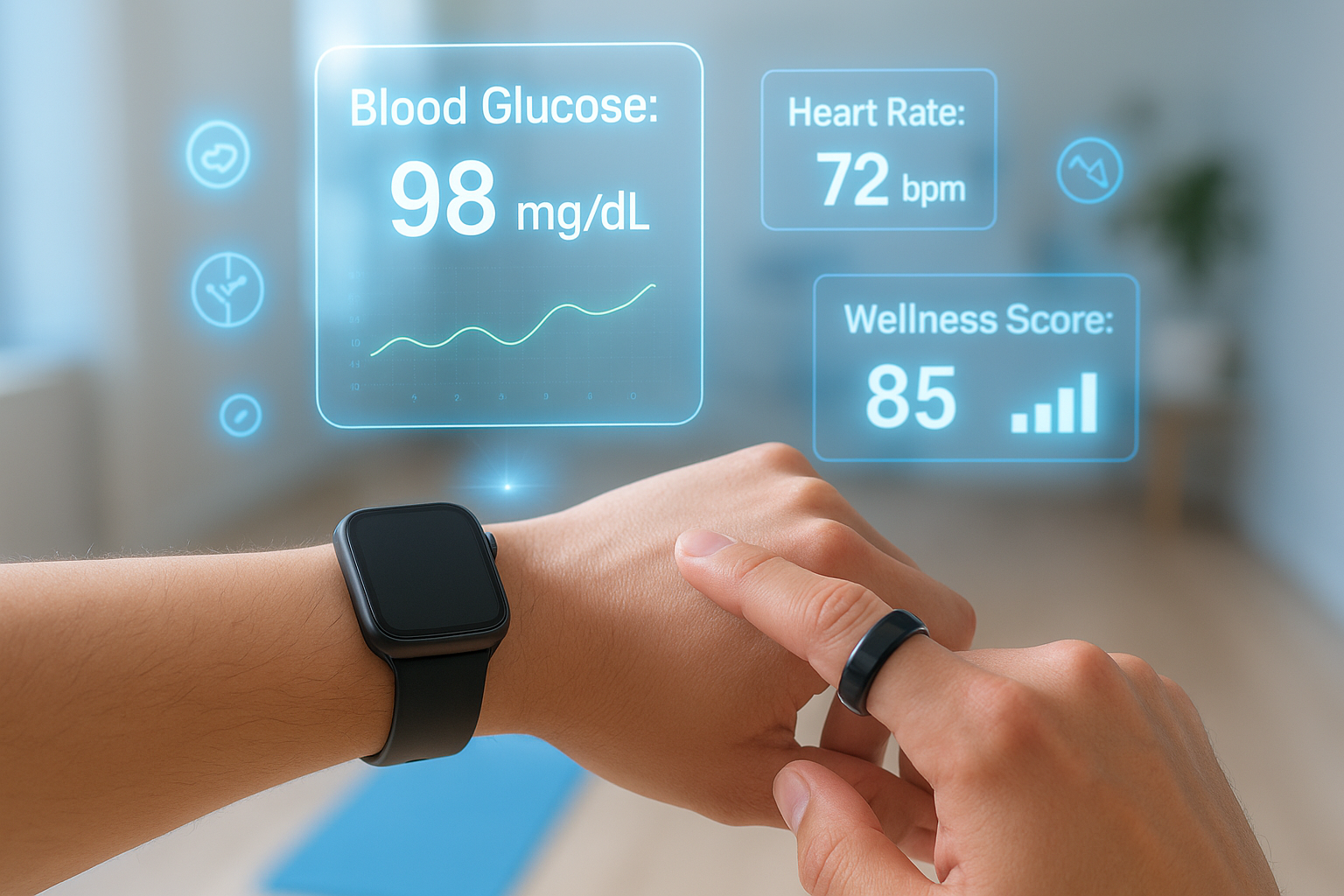
Smart rings such as the Oura Ring and Ultrahuman Ring respond to finger taps and hand gestures, helping users track workouts or check notifications without pulling out a phone.
Smartwatches like the Apple Watch and Samsung Galaxy Watch have supported wrist-based gestures for some time. Users can wake the screen by lifting their wrist, scroll through menus by flicking their wrist, and use voice assistants to set timers, reply to messages, or check the weather.
Why Voice and Gesture Control Is So Useful
There are several strong reasons why this technology is gaining popularity among wearable users:
- It removes the need to interact with small, hard-to-tap screens.
- It works perfectly in hands-busy situations — cooking, exercising, driving, or carrying items.
- It offers a more natural and intuitive way to use technology, similar to how humans naturally communicate.
- It is especially helpful for people with disabilities or limited hand mobility, giving them greater independence with their devices.
The result is a more fluid experience where the device fits into your life rather than interrupting it.
Challenges and Limitations to Keep in Mind
Despite the clear benefits, voice and gesture control does come with some real-world limitations that users and manufacturers are still working through:
- Noisy environments: Voice commands can fail or be misheard in crowded or loud spaces like markets, gyms, or public transport.
- Gesture misreads: Devices sometimes interpret accidental movements as commands, which can be frustrating during workouts or casual hand gestures.
- Privacy concerns: Always-on microphones raise valid questions about data collection and who might be listening. Many users remain cautious about this.
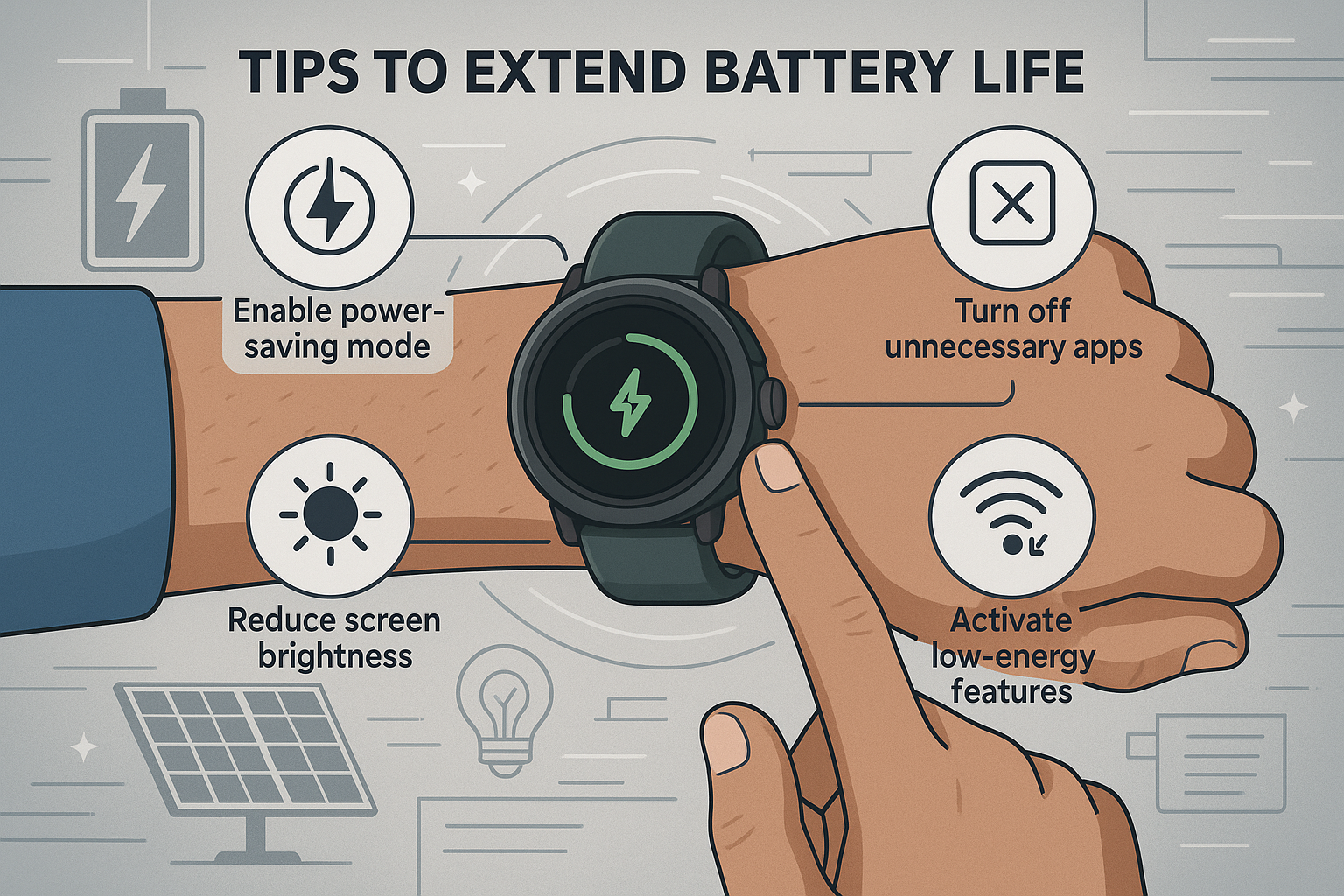
- Battery drain: Continuous listening or motion tracking can reduce battery life, which is already a challenge for compact wearable devices.
These are known issues, and companies across the wearable industry are actively working on better noise filtering, smarter gesture recognition, and stronger privacy controls.
What the Future Holds for Wearable Control Interfaces
The next few years are expected to bring significant improvements to how wearables understand and respond to human input. Here is what experts and industry trends suggest:
- Smarter voice recognition that understands context, accents, and natural speech patterns more accurately.
- Gesture systems that learn from individual user habits and adapt over time.
- Longer battery life in devices that continuously monitor voice and motion.
- Tighter integration between wearables and smart home systems, allowing a single gesture or voice command to control multiple devices at once.
Looking ahead, it is entirely possible that managing your daily schedule, controlling home appliances, and communicating with others could all happen through simple hand movements or spoken words — with no screen required.
Voice and gesture control is making wearables smarter and more human-friendly. In 2025, the real measure of a great wearable is not just what it can do — it is how naturally and effortlessly you can use it. As this technology matures, the gap between human intention and device response will continue to shrink, making wearables a more seamless part of everyday life.