Smart contracts are quietly changing how businesses, individuals, and institutions handle agreements. Built on blockchain technology, these self-executing digital contracts remove the need for middlemen and make transactions faster, safer, and more transparent. Here is everything you need to know about how they work and why they matter.
What Are Smart Contracts?
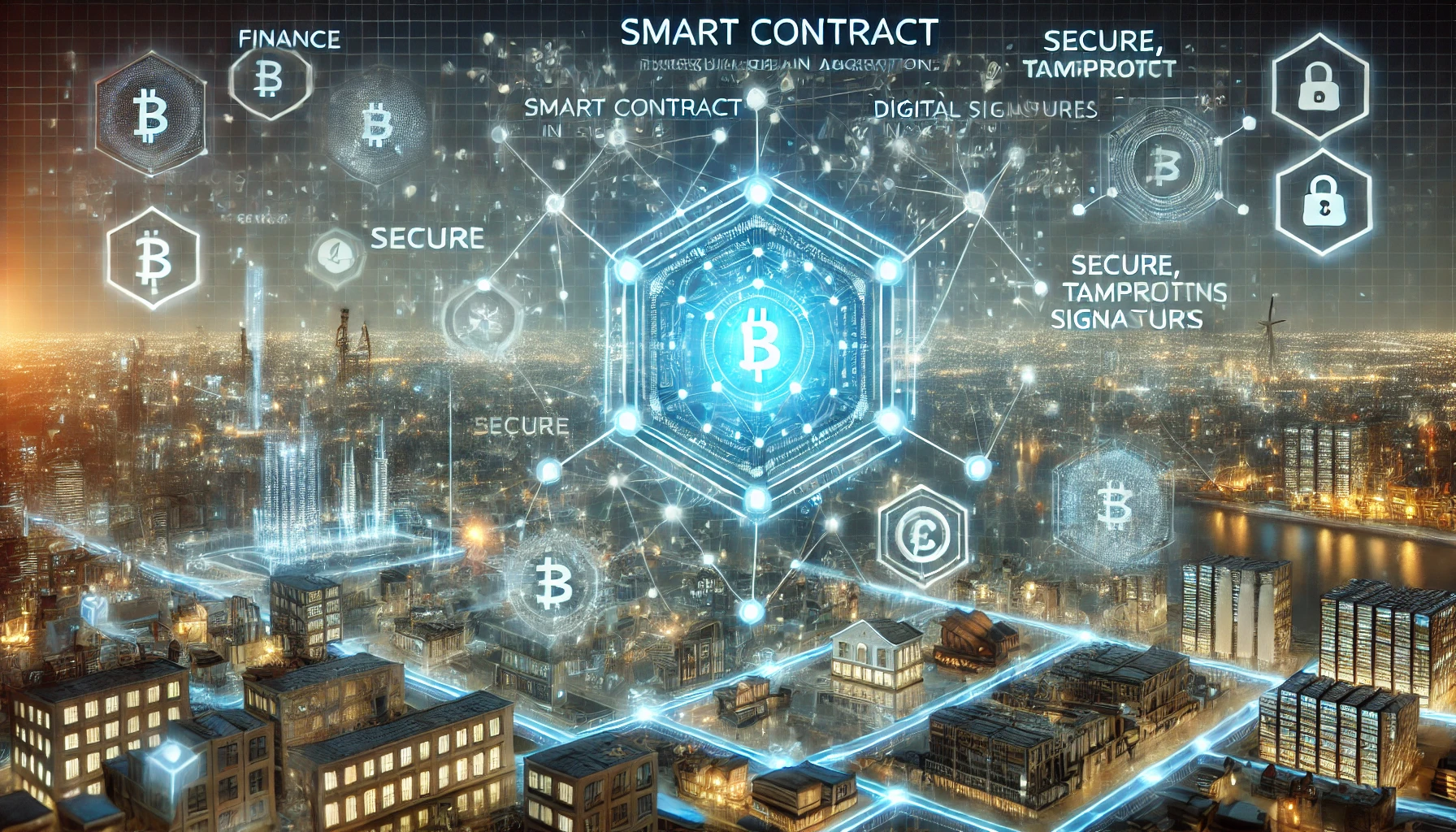
A smart contract is a digital agreement written in computer code that automatically executes when specific conditions are met. Unlike traditional contracts that rely on lawyers, banks, or third-party intermediaries to enforce terms, smart contracts do the job on their own.
Think of it like a vending machine. You insert money, select a product, and the machine delivers it instantly — no cashier needed. Smart contracts work the same way. Once the agreed conditions are fulfilled, the contract carries out the terms without any human intervention.
These contracts live on a blockchain — a decentralised, tamper-proof network that stores data across multiple computers simultaneously. This makes them highly secure and transparent.
How Smart Contracts Actually Work
The process behind a smart contract is straightforward and follows a clear sequence:
- Agreement Setup: The parties involved define the contract rules and conditions in code.
- Deployment on Blockchain: The coded contract is stored on the blockchain, where it becomes immutable and publicly visible.
- Execution of Terms: When the pre-set conditions are met — such as receiving a payment — the contract automatically triggers the agreed action.
- Finalization: The completed transaction is recorded permanently on the blockchain, creating a reliable and verifiable record.
Because no middlemen are involved, the chances of human error, fraud, or unnecessary delays are significantly reduced.
Key Advantages of Smart Contracts
Smart contracts bring several practical benefits that are attracting attention across industries:
- Automation: Transactions execute automatically based on pre-set rules, saving time and reducing manual effort.
- Transparency: All parties can view the same contract terms on the blockchain, which reduces disputes and builds trust.
- Security: Blockchain encryption makes it extremely difficult to alter or tamper with smart contracts once deployed.
- Cost Efficiency: By removing intermediaries like banks, lawyers, and brokers, smart contracts cut down on fees and administrative costs.
| Feature | Traditional Contracts | Smart Contracts |
|---|---|---|
| Execution | Manual, requires human action | Automatic, condition-based |
| Intermediaries | Lawyers, banks, brokers | None required |
| Transparency | Limited to parties involved | Visible on blockchain |
| Security | Vulnerable to tampering | Encrypted and immutable |
| Cost | Higher due to intermediaries | Lower, fewer middlemen |
Real-World Applications Across Industries
Smart contracts are already being used in several sectors, making processes faster and more reliable:
- Finance: Banks and financial institutions use smart contracts to handle payments, process loans, and settle insurance claims. This speeds up transactions and reduces paperwork significantly.
- Real Estate: Property deals can be completed faster when smart contracts automatically transfer ownership once payment is confirmed, removing the need for lengthy documentation and agents.
- Supply Chain Management: Smart contracts release payments to suppliers only after goods are delivered and verified, reducing fraud and improving efficiency across the supply chain.
- Healthcare: Medical records can be securely stored and shared using smart contracts, giving patients control over their own data while maintaining privacy and accuracy.
What the Future Holds for Smart Contracts
As blockchain technology continues to mature, smart contracts are expected to become more sophisticated and widely adopted. Developers are working on making them more flexible, capable of handling complex multi-party agreements, and compatible across different blockchain networks.
Industries ranging from government services and legal systems to education and energy trading are exploring how smart contracts can reduce inefficiency and increase accountability. The technology still faces challenges around legal recognition, coding errors, and scalability — but these are areas where active development is taking place.
Smart contracts represent a significant shift in how agreements are made and enforced. As adoption grows, they have the potential to make digital transactions more trustworthy, cost-effective, and accessible for everyone.