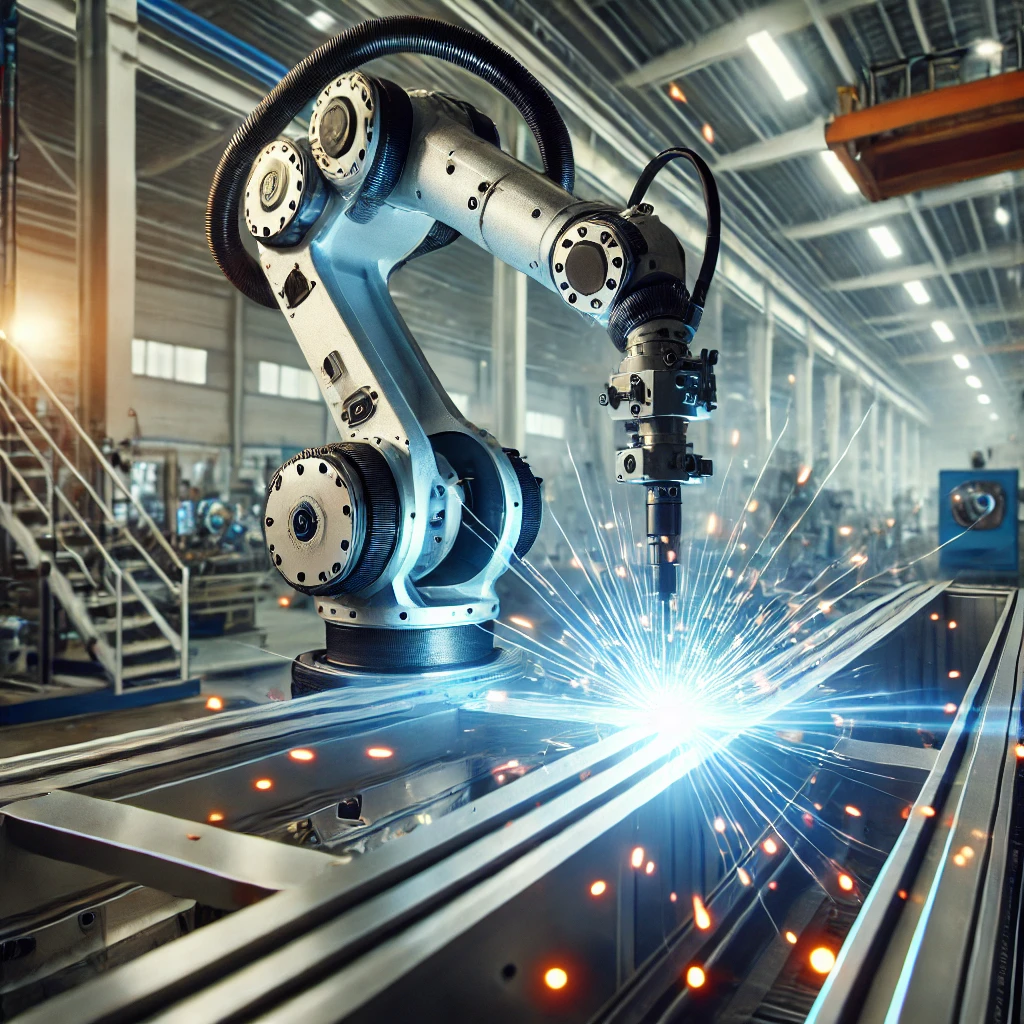

Robotics and automation are advancing at a rapid pace, and 2024 has emerged as a defining year for the industry. From collaborative robots working side by side with humans to AI-driven machines handling complex tasks, the landscape is shifting in ways that affect manufacturing, healthcare, logistics, and everyday business operations.
Collaborative Robots and AI-Powered Machines Take Center Stage
One of the biggest shifts in 2024 is the rise of collaborative robots, commonly known as cobots. Unlike traditional industrial robots that operate in isolated environments, cobots are designed to work alongside human workers. Industries such as manufacturing, logistics, and healthcare are adopting cobots rapidly because of their improved safety features and easier programming interfaces. Companies of all sizes — from small businesses to large enterprises — are finding cobots to be a practical and cost-effective option.
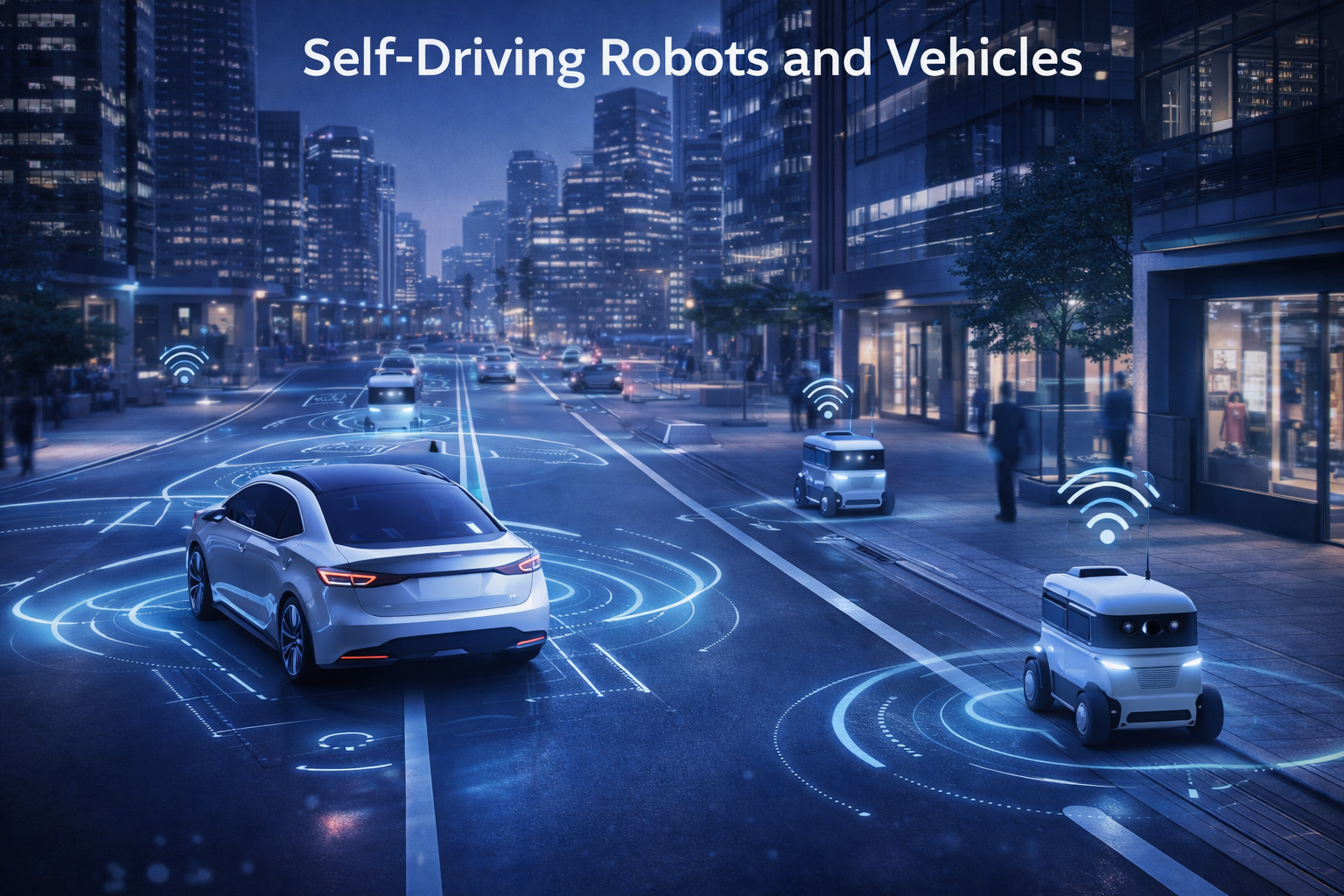
Alongside cobots, AI-powered robots are becoming smarter and more capable. These machines can analyze data in real time, adapt to new environments, and make independent decisions. Self-driving vehicles, robotic assistants in hospitals, and warehouse automation systems are all examples of how AI is enabling robots to handle difficult tasks with minimal human intervention.
Autonomous Mobile Robots and 5G Connectivity Drive Efficiency
Autonomous Mobile Robots (AMRs) are transforming supply chains across logistics, retail, and warehousing. Equipped with advanced sensors and obstacle-avoidance technology, AMRs navigate spaces independently and move goods without requiring constant human supervision. This makes supply chains faster and significantly reduces operational costs.
The rollout of 5G technology is giving robots a major boost. Faster data transmission means robots can process information and act more quickly and accurately. This is especially important in healthcare, where telemedicine robots need real-time data transfer, and in factories where robotic arms depend on low-latency communication. As 5G networks expand, robots will become even more responsive across industries.
Complementing 5G is edge computing, which allows robots to process data locally rather than relying on distant cloud servers. This reduces delays and speeds up reaction times — a critical advantage for self-driving vehicles, factory automation, and smart robots operating in dynamic environments.
Robot-as-a-Service and Healthcare Robotics Open New Doors
Not every business can afford to purchase expensive robotic systems outright. Robot-as-a-Service (RaaS) is solving this problem by allowing companies to rent robots on a flexible, as-needed basis. This subscription-style model lowers the barrier to entry and brings automation within reach for startups and mid-sized businesses that previously could not justify the investment.
In healthcare, robots are making a significant impact. Key developments in 2024 include:
- Robotic-assisted surgeries offering greater precision and faster recovery times
- Automated pharmacy systems reducing medication errors
- AI-driven diagnostic tools supporting faster and more accurate diagnoses
- Robotic caregivers helping elderly patients with daily tasks, improving quality of life
These advancements are not replacing healthcare workers but rather supporting them, reducing workload and improving patient outcomes.
Sustainable Robotics and Soft Robotics Gain Momentum
Sustainability has become a priority across industries, and robotics is no exception. Engineers are now designing robots with energy efficiency and eco-friendly materials in mind. Agricultural robots are being used to optimize water usage, while manufacturing robots are helping reduce material waste. This focus on sustainable robotics allows industries to lower their environmental footprint without sacrificing productivity.
Soft robotics is another area gaining traction in 2024. Built from flexible, lightweight materials, soft robots are ideal for tasks that require a gentle touch — such as handling fragile food items, assisting in medical procedures, or conducting delicate research. Their adaptability makes them well-suited for environments where traditional rigid robots would cause damage.
| Robotics Trend | Key Industry | Primary Benefit |
|---|---|---|
| Collaborative Robots (Cobots) | Manufacturing, Healthcare | Safer human-robot teamwork |
| Autonomous Mobile Robots (AMRs) | Logistics, Warehousing | Faster, cost-efficient supply chains |
| Robot-as-a-Service (RaaS) | All business sizes | Lower cost access to automation |
| 5G-Enabled Robotics | Healthcare, Manufacturing | Real-time data and faster response |
| Soft Robotics | Food Processing, Research | Gentle handling of fragile objects |
Robotic Process Automation Streamlines Office Work
Automation in 2024 is not limited to physical tasks. Robotic Process Automation (RPA) is making office workflows smarter by handling repetitive tasks such as data entry, invoice processing, and customer service responses. This frees up employees to focus on higher-value work that requires human judgment and creativity.
With AI now integrated into RPA platforms, these systems are becoming more intelligent. They can handle exceptions, learn from patterns, and adapt to changing business processes — making them a valuable tool for companies looking to improve efficiency and reduce operational costs.
The progress in robotics and automation across 2024 reflects a broader shift toward smarter, more connected, and more sustainable industries. Whether it is cobots on factory floors, AI-powered robots in hospitals, or RPA tools in corporate offices, these trends point to a future where humans and machines work together more effectively than ever before. Businesses that adopt these technologies early are likely to gain a significant competitive advantage in the years ahead.