Buying a smartwatch is no longer just about looks or brand name. For most people, battery life is the deciding factor. With smartwatches now handling fitness tracking, sleep monitoring, GPS navigation, health sensors, and app notifications all at once, the competition among brands to deliver the longest-lasting device has never been more intense.
Why Smartwatch Battery Life Matters More Than Ever
A smartwatch that dies by afternoon is more frustrating than useful. Battery life directly affects how reliable your device is throughout the day — and night. Here is why it matters so much:
- Less charging stress: You do not have to carry a charger everywhere or plan your day around charging windows.
- Better fitness and sleep tracking: Continuous monitoring only works if the watch stays powered through workouts and overnight sleep sessions.
- Travel reliability: When you are away from home, a long-lasting watch means one less thing to worry about.
- All-day confidence: No anxiety about your watch dying during an important meeting, workout, or outdoor activity.
These are real, everyday concerns that push battery performance to the top of the priority list for most buyers.
What Drains a Smartwatch Battery the Fastest?
Understanding what consumes power helps you make smarter choices. The main battery drains in any smartwatch include:
- Screen brightness and always-on display: A bright, always-on screen is one of the biggest power consumers. Turning it off can significantly extend battery life.
- GPS and location tracking: Active GPS during runs, hikes, or cycling sessions pulls heavy power, especially over long durations.
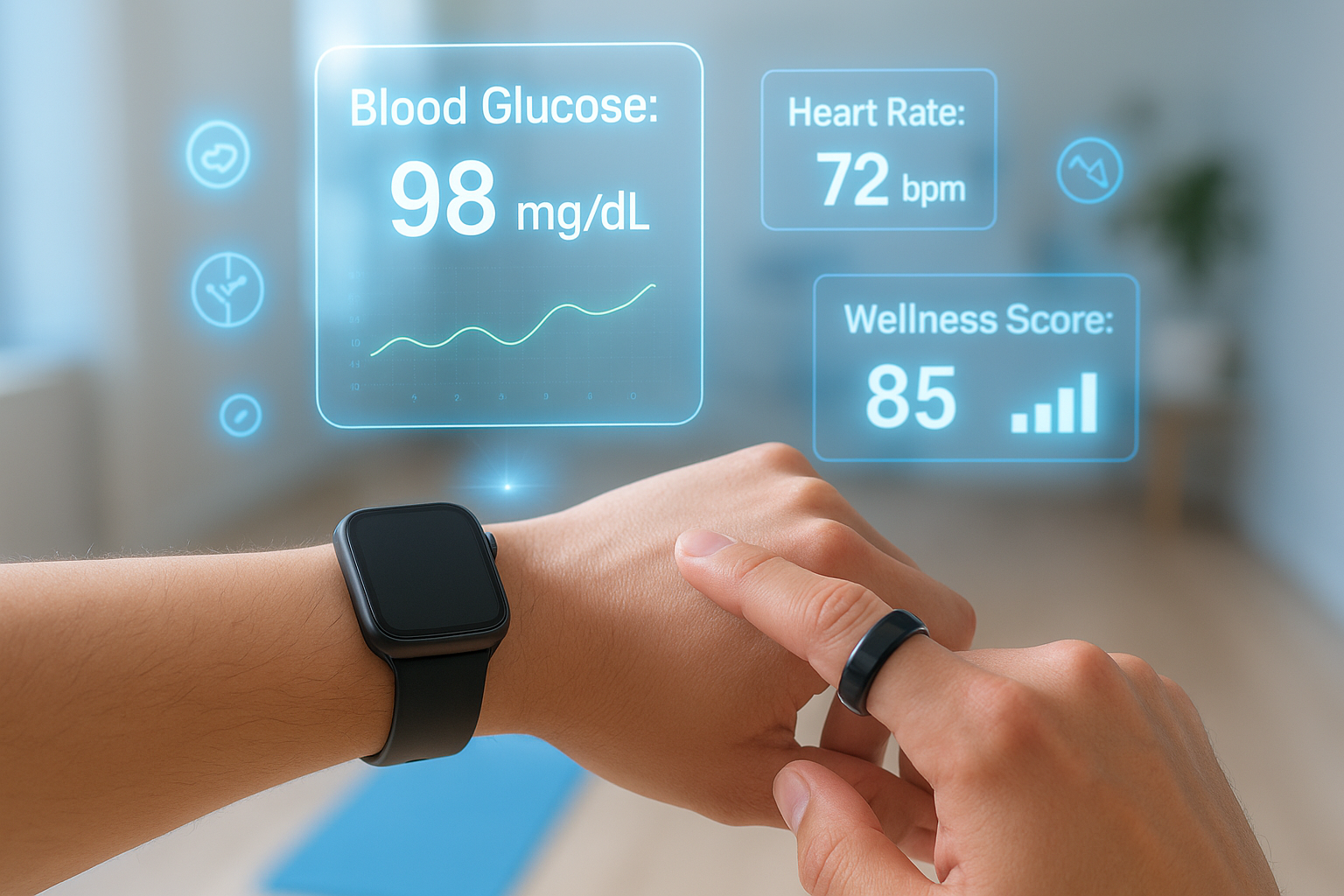
- Health sensors: Continuous heart rate monitoring, blood oxygen (SpO2) tracking, and sleep analysis all run in the background and steadily drain the battery.
- Notifications and background apps: Every buzz, alert, and background sync adds up over the course of a day.
- Cellular connectivity: Watches with built-in LTE or 4G use significantly more power than Bluetooth-only models.
Smartwatch Categories and Their Typical Battery Life
Not all smartwatches are built the same. Battery performance varies widely depending on the type of device you choose. Here is a simple comparison:
| Smartwatch Type | Typical Battery Life | Best For |
|---|---|---|
| Full-Feature Smartwatch | 1 to 2 days | Apps, calls, notifications |
| Fitness-Focused Smartwatch | 7 to 14 days | Health and workout tracking |
| Hybrid Smartwatch | Weeks to months | Style with basic smart features |
| Smart Fitness Band | 10 to 21 days | Basic tracking, lightweight use |
| Smart Ring | 5 to 7 days | Discreet health monitoring |
Fitness-focused smartwatches and hybrid models consistently lead the pack when it comes to battery endurance. Full-feature smartwatches, while powerful, typically need daily or every-other-day charging.
How Smartwatch Brands Are Pushing Battery Boundaries
Brands are not sitting still. The race to deliver longer battery life without cutting features has led to some meaningful engineering improvements across the industry:
- Power-efficient processors: Newer chips are designed to handle more tasks while consuming less energy.
- Battery-saving modes: Most modern smartwatches now include dedicated low-power or expedition modes that can stretch battery life to weeks by limiting active features.
- Software optimization: Better operating systems manage background processes more efficiently, reducing unnecessary power drain.
- Solar charging technology: Some outdoor-focused smartwatches now use solar panels on the watch face to supplement battery charging during daylight hours.
- Adaptive display technology: Screens that automatically adjust brightness and refresh rates based on usage help save power without affecting the user experience.
These improvements mean that even feature-rich smartwatches are slowly getting better at managing power consumption.
How to Choose the Right Smartwatch Based on Battery Life
There is no single smartwatch that works best for everyone. The right choice depends on how you actually use the device. Here are some practical guidelines:
- If you want apps, music, calls, and notifications, expect to charge your watch every one to two days. Full-feature smartwatches from major brands fall into this category.
- If you prioritize fitness tracking, step counting, and sleep monitoring, a fitness-focused smartwatch lasting 7 to 14 days is a better fit.
- If you want a traditional watch look with smart features, a hybrid smartwatch can last weeks or even months on a single charge.
- If you want minimal, discreet health tracking, smart fitness bands or smart rings offer excellent battery life with less bulk.
Your charging habits also matter. If you are comfortable charging every night like a phone, a full-feature smartwatch will not feel limiting. But if you forget to charge regularly or travel often, a longer-lasting model makes daily life much easier.
The Trade-Off Between Features and Battery Life
The core tension in smartwatch design remains the same: more features demand more power. Brands that load their watches with LTE connectivity, high-resolution always-on displays, and real-time health sensors will always face battery life challenges. On the other hand, watches that strip back to the essentials can deliver impressive endurance.
The good news is that this trade-off is slowly narrowing. As battery technology and chip efficiency improve, users can expect smartwatches to offer both strong features and longer battery life in the coming years.
For now, the smartwatch that lasts the longest is the one that best matches your lifestyle — not necessarily the one with the most features or the biggest brand name. Identify what you actually need from a smartwatch, and choose accordingly.
Frequently Asked Questions
Hybrid smartwatches generally last the longest, often running for weeks or even months on a single charge. Fitness-focused smartwatches typically last 7 to 14 days, while full-feature smartwatches with apps and LTE usually need charging every 1 to 2 days.
The biggest battery drains in a smartwatch include always-on displays, active GPS tracking, continuous health sensors like heart rate and SpO2 monitoring, cellular connectivity, and frequent notifications from background apps.
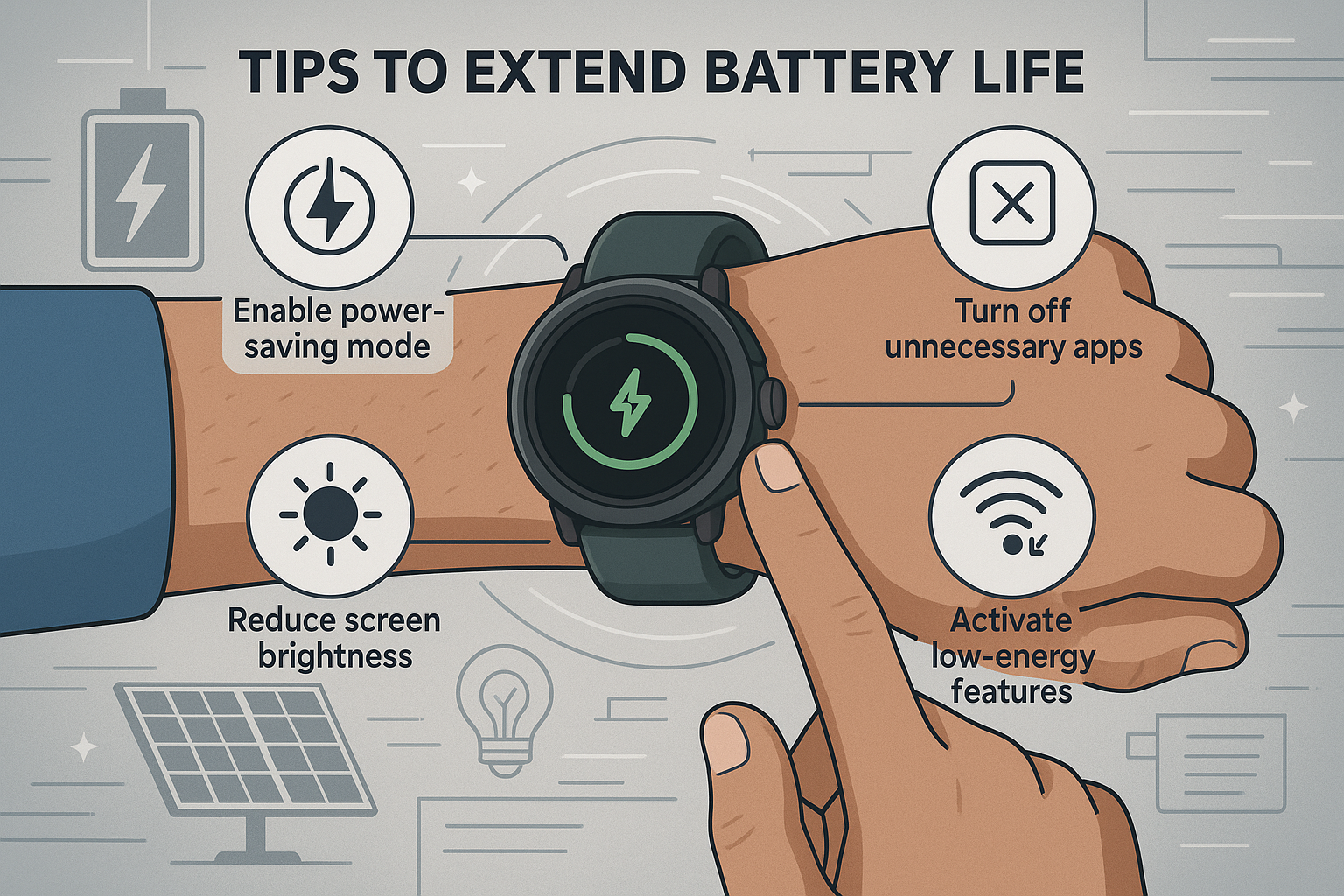
You can extend battery life by turning off the always-on display, disabling GPS when not needed, reducing notification frequency, using battery-saving or low-power mode, and lowering screen brightness. Keeping software updated also helps with power efficiency.