Smartwatches ruled the wearable tech world for years, but a smaller and more discreet device is now challenging their dominance. Smart rings — compact, stylish, and loaded with advanced sensors — are quickly becoming the preferred choice for health-conscious users and tech enthusiasts alike. Brands like Oura Health with the Oura Ring and Samsung with the Galaxy Ring are leading this shift, and the trend shows no signs of slowing down.
Why Smart Rings Are Gaining Massive Popularity
Smart rings offer much of what a smartwatch does, but without the bulk and constant screen distractions. They are lightweight, comfortable to wear around the clock — whether you are sleeping, working out, or in a business meeting — and their subtle design appeals to professionals who prefer understated tech.
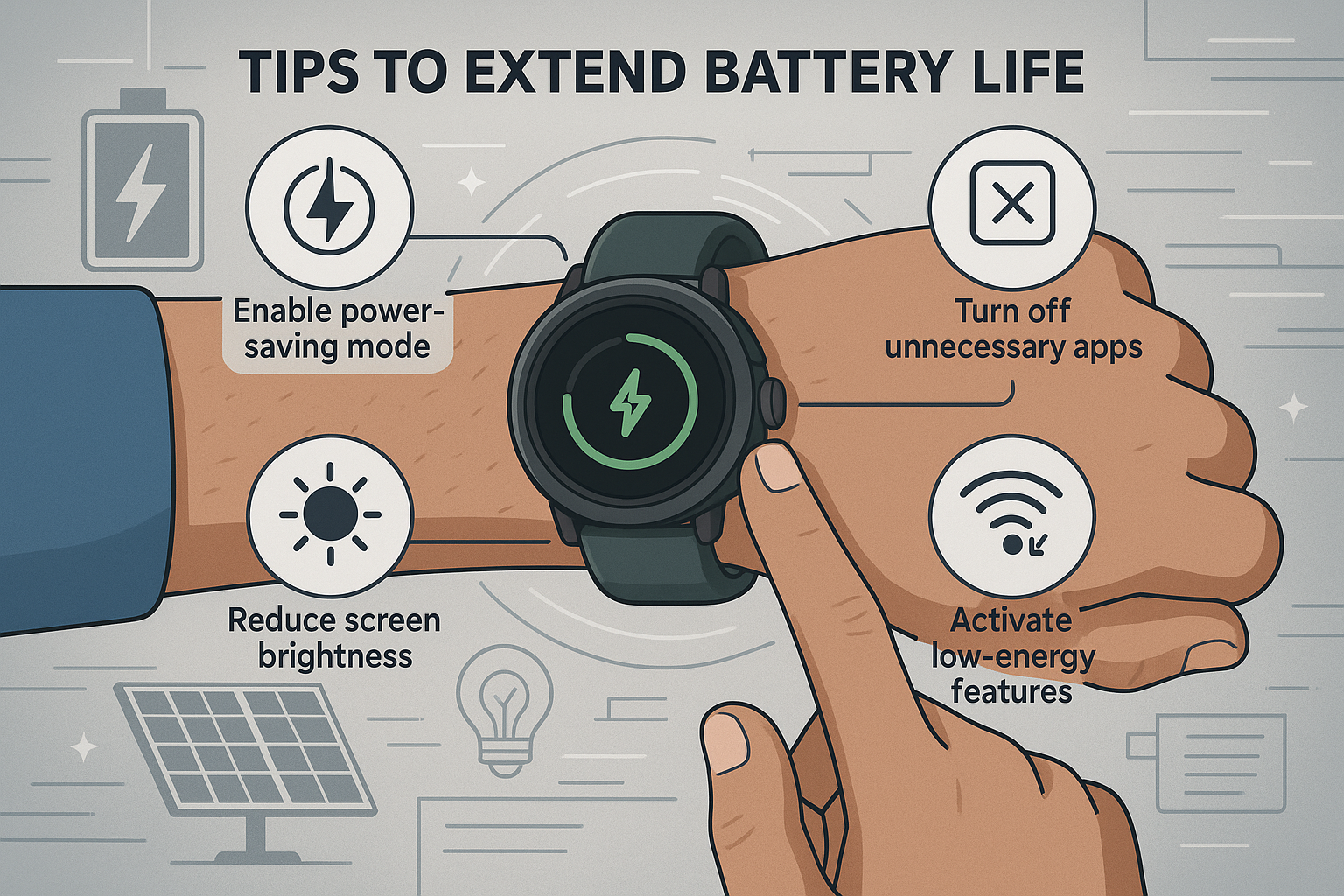
Battery life is another strong advantage. Since smart rings focus on health tracking rather than powering a display, they typically last much longer on a single charge compared to most smartwatches. For users who are tired of daily charging routines, this alone is a compelling reason to switch.
The appeal is simple: minimal design with maximum functionality — exactly what modern users are looking for.
Advanced Health Tracking Packed Into a Tiny Device
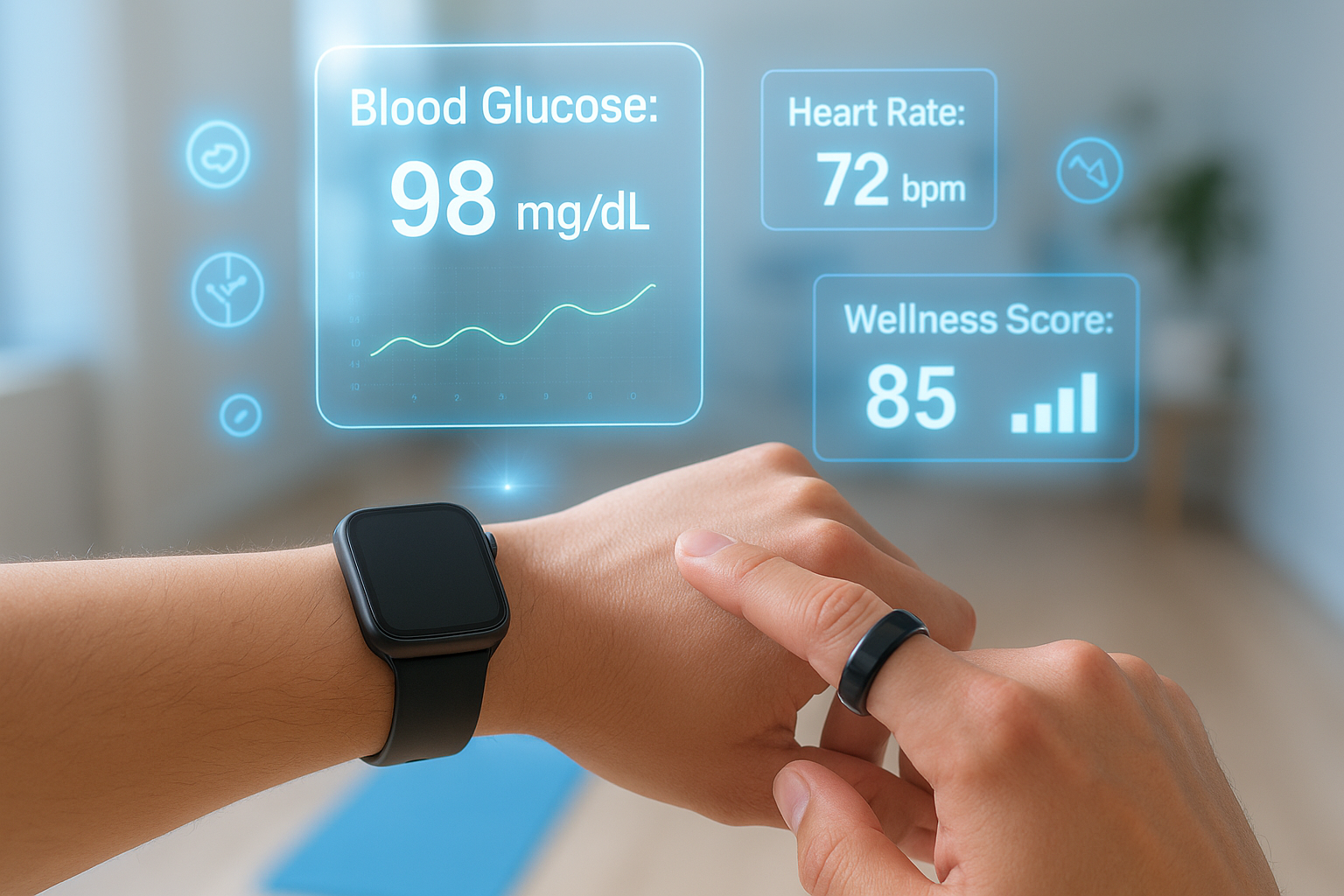
Do not let the small size fool you. Smart rings carry powerful sensors capable of monitoring a wide range of health metrics, including:
- Heart rate
- Blood oxygen levels
- Sleep quality
- Body temperature
- Stress levels
- Daily activity levels
The Oura Ring has built a strong reputation for its detailed sleep analysis and recovery scores. It provides daily readiness scores that help users decide when to push through a tough workout or take a rest day. This level of precision is turning smart rings into serious health monitoring tools, not just casual fitness accessories.
Smart Rings vs Smartwatches: How Do They Compare?
Both devices have their strengths. Here is a quick comparison to help you decide which suits your lifestyle better:
| Feature | Smart Ring | Smartwatch |
|---|---|---|
| Design | Compact and discreet | Larger, screen-based |
| Battery Life | Longer (no display) | Shorter due to screen usage |
| Health Tracking | Highly accurate sensors | Good but varies by model |
| Notifications and Calls | Limited or none | Full support |
| App Integration | Basic via smartphone | Extensive |
| Comfort During Sleep | Very comfortable | Can feel bulky |
If your priority is wellness tracking and comfort, a smart ring is likely the better fit. If you depend on app interactions, calls, and screen-based alerts, a smartwatch still holds a clear advantage.
Intelligent Health Insights Powered by Advanced Analytics
One of the biggest strengths of modern smart rings is how they process data. Rather than simply displaying raw numbers, these devices analyze patterns over time. They study your sleep cycle, heart rhythm, and activity habits to deliver personalized recommendations — such as the best time to exercise, when to hydrate, or when your body needs rest.
Companies are investing heavily in making these devices smarter with every software update. The combination of compact hardware and intelligent data analysis is redefining what personal health monitoring can look like.
NFC Payments, Security, and the Future of Smart Rings
Health tracking is just one part of the story. Smart rings are also expanding into digital security and payments through NFC (Near Field Communication) technology. In the near future, users will be able to:
- Make contactless payments with a simple hand gesture
- Unlock smart doors and devices
- Authenticate digital identities securely
As digital wallets grow globally, wearable payment solutions are expected to become a major feature. This positions smart rings not just as health trackers but as everyday digital tools.
Major tech companies entering this space signals strong long-term market growth. As battery technology improves and sensor accuracy increases, smart rings could eventually replace traditional wearables for a large segment of users.
The future of wearable technology may not be on your wrist — it could be on your finger.