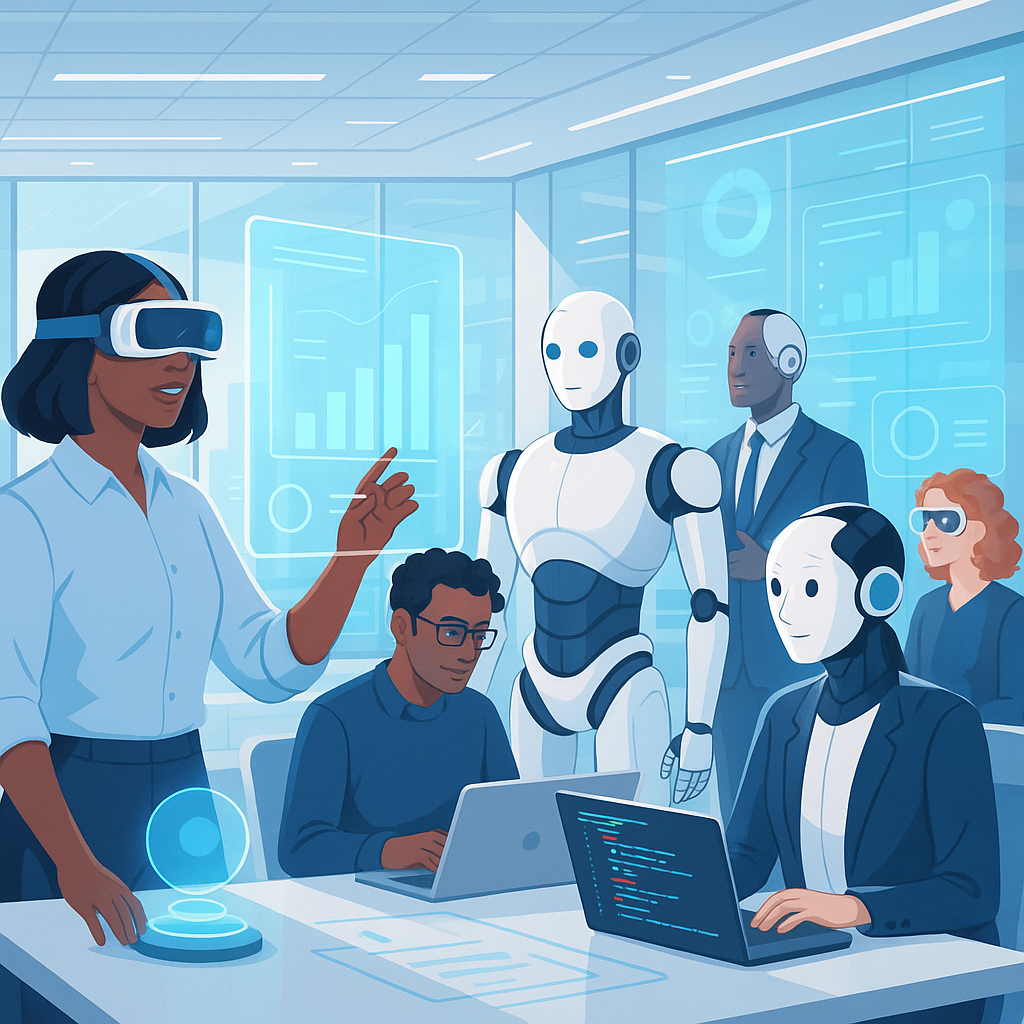
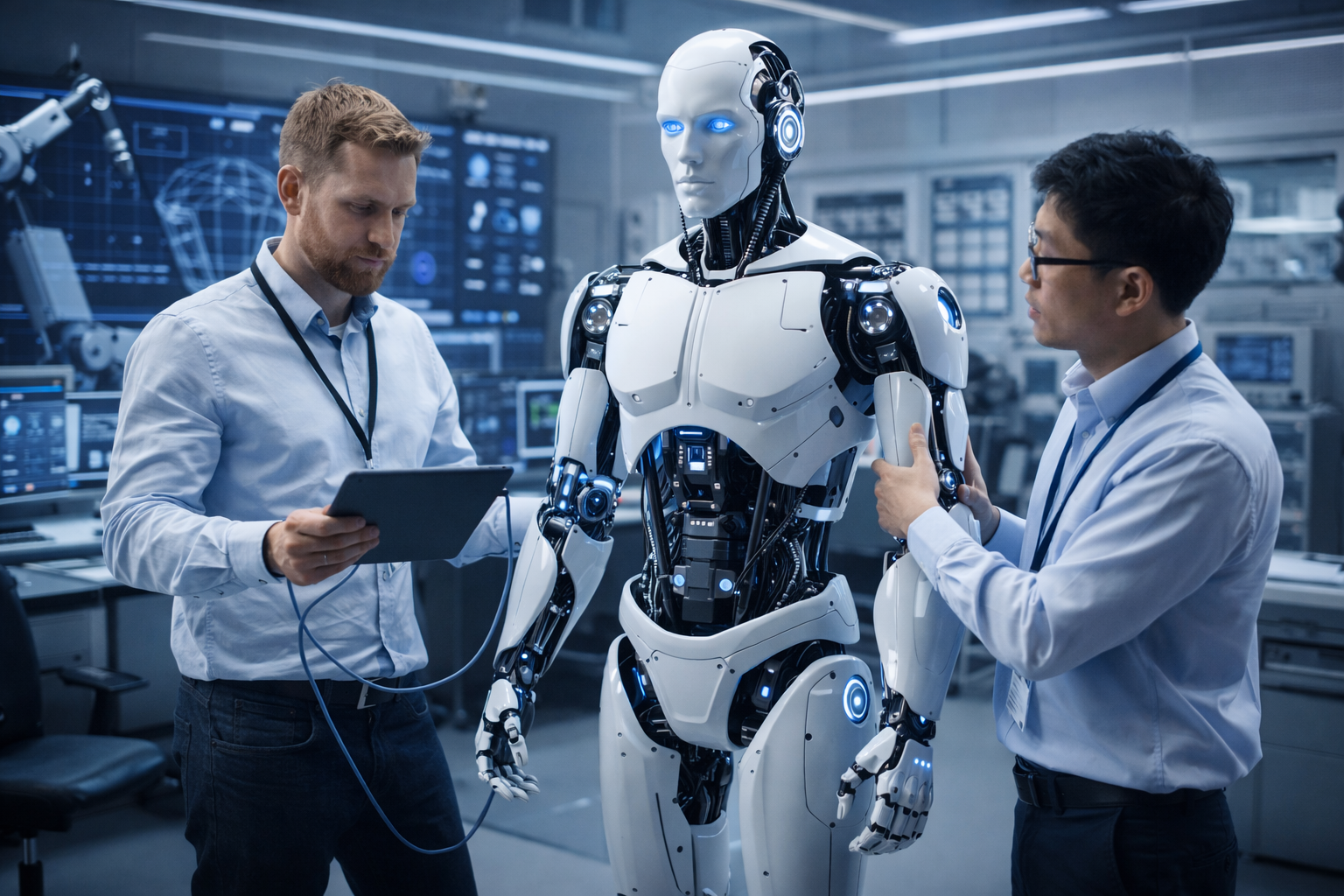
Robots are no longer locked behind factory cages. They are walking through warehouses, assisting in hospitals, and showing up in offices. Humanoid robots — machines built to look and move like people — are entering the real world of work, and the shift is happening faster than most expected.
What Makes Humanoid Robots Different from Traditional Machines
Standard industrial robots are built for one job. They stay fixed in place, repeat the same motion, and need specially designed environments to function. Humanoid robots work differently.
Their human-like design allows them to operate in spaces already built for people — no expensive infrastructure overhaul needed. They can climb stairs, pick up tools, carry objects, and respond to voice commands. Their AI-powered vision systems help them read and react to their surroundings in real time.
This adaptability is what sets them apart and makes them attractive to a wide range of industries.
Artificial Intelligence Powers These Machines
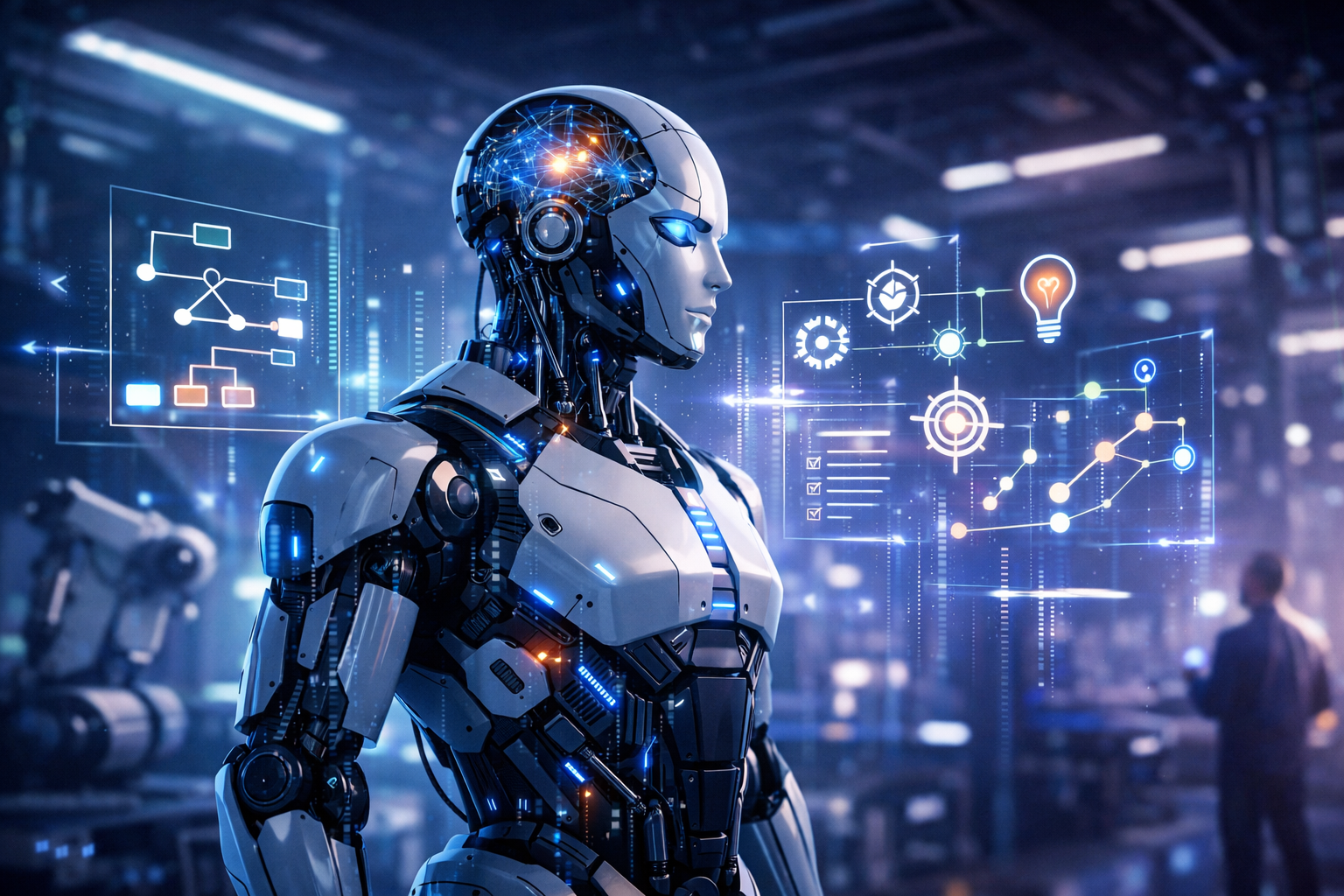
The real capability of a humanoid robot comes from the intelligence built into it. Machine learning, computer vision, and neural networks work together to help these robots make decisions, recognize objects, and navigate unpredictable environments safely.
Tesla’s Optimus robot, for example, is designed to handle repetitive and physically demanding tasks — the kind that put human workers at risk or lead to burnout. By taking over those roles, humanoid robots free people to focus on work that requires judgment, creativity, and communication.
Boston Dynamics has also been a key player in pushing the boundaries of what robotic movement and intelligence can achieve. Their robots have demonstrated balance, agility, and task-handling that was once considered impossible outside a research lab.
Industries Already Bringing Humanoid Robots In
Several sectors are actively testing or deploying humanoid robots right now:
- Warehousing and logistics: Robots are being used for picking, sorting, and moving goods — tasks that are physically repetitive and time-sensitive.
- Healthcare: Robotic assistants are being explored for patient monitoring, support tasks, and reducing the load on medical staff.
- Manufacturing: Companies are moving away from fixed robotic arms toward more flexible humanoid systems that can handle varied tasks on the same floor.
- Retail: Pilot programs are testing robots for shelf stocking and basic customer assistance.
Global labor shortages are accelerating this adoption. As companies struggle to fill physically demanding roles, humanoid robots offer a scalable and consistent alternative.
Will Humanoid Robots Take Human Jobs?
This is the question most people ask — and it deserves a clear answer.
Yes, humanoid robots will replace some roles, particularly those involving repetitive manual work. But history shows that major technological shifts tend to change the nature of work rather than wipe out employment entirely.
New roles are already emerging in areas like:
- Robotics maintenance and repair
- AI system training and oversight
- Robot fleet management
- Human-robot collaboration coordination
The bigger challenge is reskilling. Workers in industries most affected by automation will need support and training to transition into these new roles. Governments, companies, and educational institutions all have a part to play in making that transition fair and effective.
| Traditional Industrial Robots | Humanoid Robots |
|---|---|
| Fixed position, single task | Mobile, multi-task capable |
| Requires custom environment | Works in human-built spaces |
| No real-time decision making | AI-driven real-time responses |
| Limited adaptability | High adaptability across tasks |
What the Next Decade Could Look Like
Humanoid robots are still in relatively early stages of large-scale deployment. Current models are expensive, and widespread rollout takes time. But as production volumes increase and AI capabilities improve, costs are expected to fall significantly.
Analysts and industry observers suggest that within the next decade, humanoid robots could become as common in workplaces as computers are today. The technology is no longer a distant concept — it is being tested, refined, and deployed right now across multiple countries and industries.
Companies that invest early in understanding and integrating this technology are likely to gain a significant competitive edge.
The workplace of the future will not be robots replacing humans — it will be humans and robots working side by side, each doing what they do best. That future is already beginning to take shape.
Frequently Asked Questions
A humanoid robot is designed to look and move like a human. Unlike traditional industrial robots that are fixed in place and perform one task, humanoid robots can walk, climb stairs, pick up objects, and adapt to environments built for people — without needing major infrastructure changes.
Tesla with its Optimus robot and Boston Dynamics are among the most prominent companies advancing humanoid robotics. Both are working on machines that can handle physical tasks in real-world environments using AI, computer vision, and machine learning.
Humanoid robots are likely to replace some repetitive manual roles, but they also create new jobs in areas like robotics maintenance, AI oversight, and robot fleet management. Reskilling and workforce transition support will be key to managing this shift fairly.