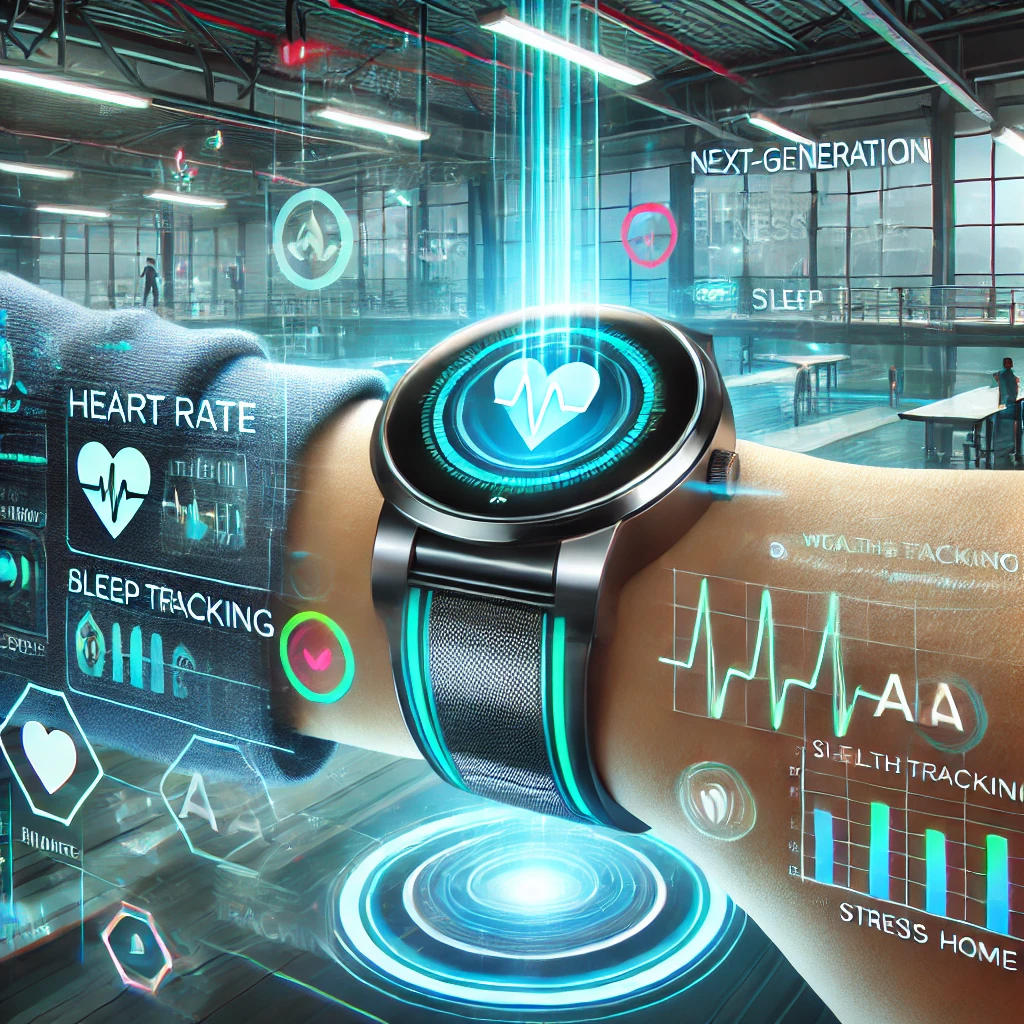
Fitness trackers have come a long way from simply counting your steps. The latest generation of wearables now monitors your heart rhythm, blood oxygen, sleep quality, stress levels, and much more — all from your wrist. Here is a detailed look at what makes next-gen fitness trackers worth your attention.
Advanced Health Monitoring Beyond Step Counting
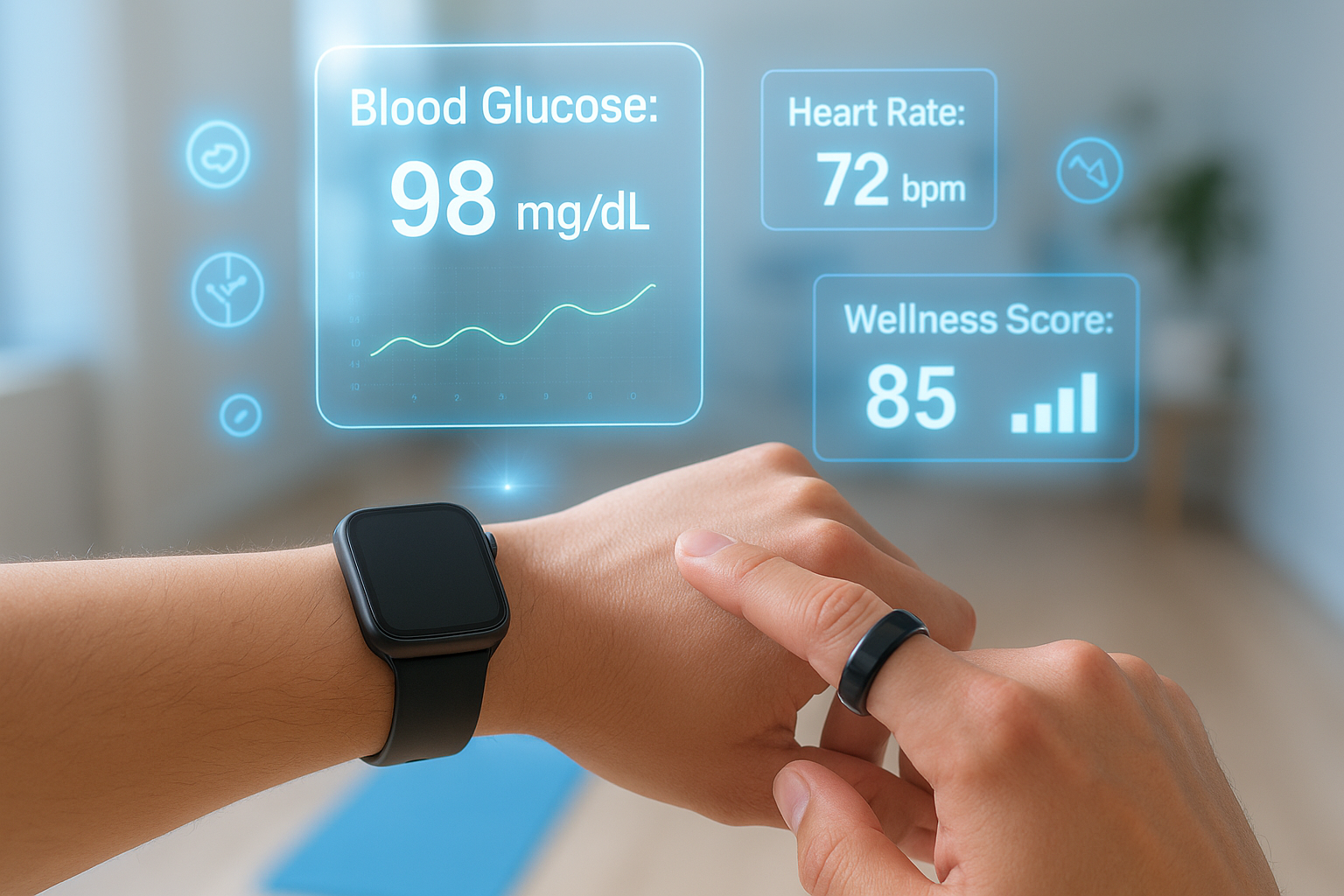
Modern fitness trackers are packed with sensors that go far beyond basic activity tracking. They now measure vital health signs that were once only available in clinical settings.
- Blood Oxygen Levels (SpO2): Tracks how efficiently your body absorbs oxygen, which is useful for detecting breathing issues during sleep or high-altitude activities.
- Electrocardiograms (ECG): Monitors your heart rhythm in real time and can flag irregular patterns that may need medical attention.
- Skin Temperature Sensors: Detects unusual changes in body temperature, which can signal illness or hormonal shifts.
These features give users a much richer understanding of their overall health, not just their daily movement. For people managing chronic conditions or simply wanting to stay on top of their wellness, this level of detail is genuinely useful.
Smarter Sleep Tracking for Better Rest
Sleep tracking has improved significantly in recent years. Earlier devices could only estimate how long you slept. Today’s fitness trackers break down your sleep into detailed stages and offer actionable advice.
- Sleep Stages Analysis: Measures the time you spend in light sleep, deep sleep, and REM sleep — each of which plays a different role in recovery and mental health.
- Personalised Sleep Quality Tips: Based on your sleep data, the tracker suggests specific changes to improve your rest patterns over time.
This goes well beyond a simple sleep timer. Understanding your sleep quality helps you make smarter decisions about bedtime routines, screen time, and stress management.
Stress Management and Mental Wellness Tools
One of the most significant additions to next-gen fitness trackers is built-in stress monitoring. These devices help you identify when your body is under pressure and guide you toward calming techniques.
- Heart Rate Variability (HRV) Monitoring: HRV measures the variation between heartbeats. A lower HRV often indicates higher stress, while a higher HRV suggests better recovery and relaxation.
- Guided Relaxation Techniques: Many trackers now suggest breathing exercises and mindfulness prompts when they detect elevated stress levels.
These tools are especially helpful for people with demanding work schedules or those managing anxiety. Having real-time feedback on your stress response makes it easier to take action before burnout sets in.
Personalised Fitness Coaching and Adaptive Training
Generic workout plans rarely work for everyone. Next-gen fitness trackers address this by offering coaching that adapts to your individual fitness level and goals.
- Custom Workout Plans: Built around your current fitness data, health history, and personal targets — whether that is weight loss, endurance building, or muscle gain.
- Adaptive Training: As your fitness improves, the tracker automatically adjusts workout intensity and volume to keep you progressing without overtraining.
This kind of personalised guidance was previously only available through professional coaches. Having it built into a wearable makes consistent, goal-oriented training accessible to far more people.
Battery Life, Durability, and Smart Device Integration
Hardware improvements have also made next-gen trackers more practical for daily use.
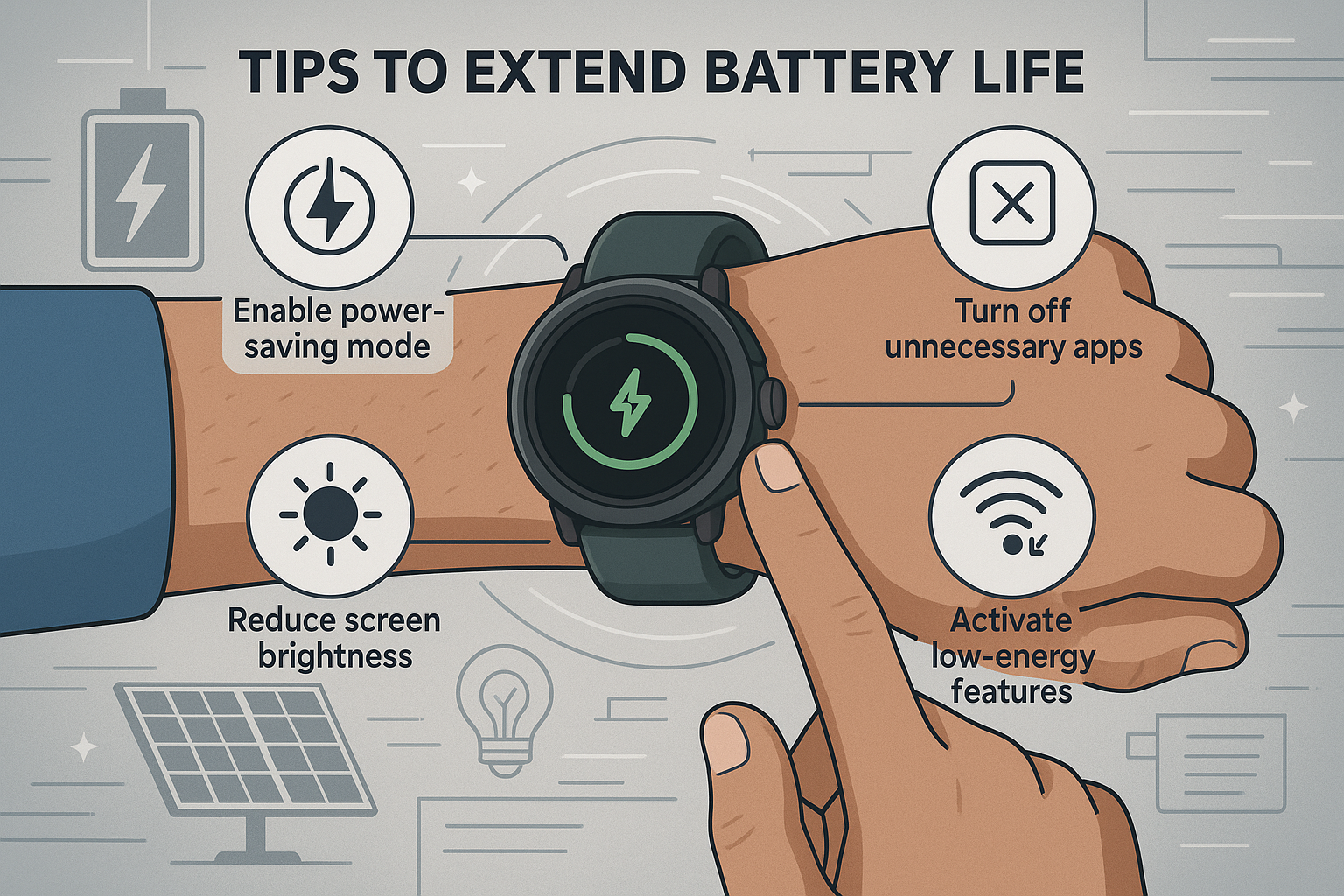
- Extended Battery Life: Several models now last up to a week on a single charge, reducing the hassle of frequent recharging.
- Water and Sweat Resistance: Built to handle intense workouts, swimming, and outdoor conditions without damage.
- Smart Device Integration: Many trackers connect with smart scales to combine weight and body composition data, and some even link with home automation systems to adjust lighting or music based on your activity or mood.
| Feature | Old Fitness Trackers | Next-Gen Fitness Trackers |
|---|---|---|
| Step Counting | Yes | Yes |
| ECG Monitoring | No | Yes |
| SpO2 Tracking | No | Yes |
| Sleep Stage Analysis | Basic | Detailed |
| Stress Monitoring (HRV) | No | Yes |
| Battery Life | 1 to 3 days | Up to 7 days |
| Smart Device Integration | Limited | Extensive |
The combination of longer battery life, rugged build quality, and connectivity with other smart devices makes these trackers genuinely useful tools rather than just novelty gadgets.
Next-generation fitness trackers represent a real shift in how people monitor and manage their health. With features like ECG monitoring, sleep stage analysis, HRV-based stress tracking, and personalised coaching, they offer a level of health insight that was unimaginable just a few years ago. Whether you are an athlete, someone managing a health condition, or simply looking to live better, these wearables are worth serious consideration.