
Foldable smartphones and tablets have moved from concept to mainstream shelves faster than most expected. Brands like Samsung, Motorola, and Huawei are pushing flexible display technology hard. But with premium price tags and lingering durability questions, many buyers are still unsure whether these devices are a smart investment or simply an expensive novelty.
What Exactly Are Foldable Devices?
Foldable devices are smartphones or tablets built with flexible screens that physically bend or fold. Unlike the old clamshell flip phones, today’s foldables use advanced flexible display materials to offer large touchscreens that collapse into a compact, pocket-friendly form.
When unfolded, they open up to a tablet-sized display. When folded, they fit comfortably in a pocket or bag. This combination of portability and screen size is the core appeal that has driven interest from tech enthusiasts and professionals alike.
Why Foldable Phones Are Generating So Much Interest
The buzz around foldable technology is not without reason. These devices offer a genuinely different experience compared to standard smartphones. Here is what makes them stand out:
- Large display in a compact body: You get a tablet-like screen that folds down to phone size, making it easy to carry without sacrificing screen real estate.
- Multitasking capability: Run two apps side by side — reply to emails while watching a video, or take notes during a video call without switching screens.
- Premium design appeal: Foldables have a distinct, high-end look that sets them apart from conventional smartphones.
- Better gaming and streaming: The wider unfolded display makes mobile gaming and video streaming noticeably more immersive.
Samsung leads the segment with its Galaxy Z Fold and Z Flip series. Motorola has made a strong comeback with its Razr lineup, while Huawei continues to push boundaries with its Mate X series in select markets.
The Real Drawbacks You Should Know Before Buying
Despite the appeal, foldable devices come with trade-offs that are hard to ignore. Here is an honest look at the downsides:
- High cost: Foldable phones sit at the very top of the price range. They cost significantly more than flagship standard smartphones, putting them out of reach for most buyers.
- Durability concerns: Flexible screens and mechanical hinges are more vulnerable than solid glass displays. Dust, repeated folding, and pressure can cause wear over time, even with improved engineering.
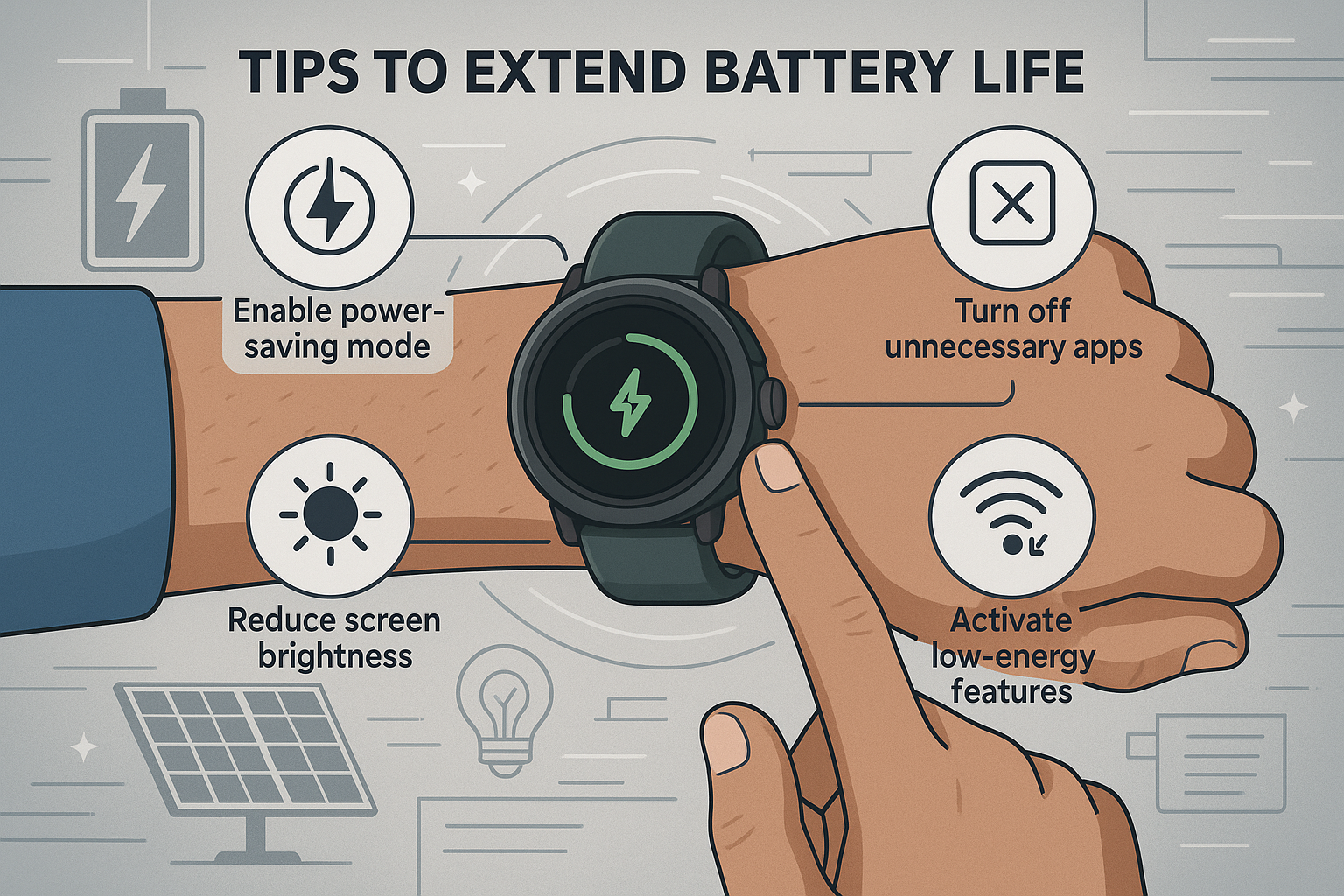
- Battery life: Powering a larger, flexible display with advanced features drains the battery faster, which can be a problem for heavy users throughout the day.
- Crease on the screen: Most foldable displays develop a visible crease at the fold point, which some users find distracting during everyday use.
| Feature | Foldable Phones | Standard Smartphones |
|---|---|---|
| Screen Size | Large (tablet-like when open) | Standard (6 to 6.8 inches) |
| Portability | Compact when folded | Always the same size |
| Price | Very high | Wide range available |
| Durability | Improving but still a concern | Generally more robust |
| Multitasking | Excellent | Limited by screen size |
Who Should Actually Consider Buying a Foldable Phone?
Foldable devices are not for everyone right now. They make the most sense for a specific type of user. Consider buying one if you:
- Regularly multitask on the go and need a larger screen without carrying a tablet
- Use your phone as a productivity tool — for documents, spreadsheets, or video calls
- Enjoy mobile gaming or streaming and want a better visual experience
- Are an early adopter who values having the latest technology
- Have the budget to invest in a premium device without financial strain
On the other hand, if your daily phone use is limited to social media, messaging, and casual browsing, a foldable phone offers little practical advantage over a well-priced standard flagship.
What Does the Future Hold for Foldable Technology?
The foldable segment is still maturing, but the direction is clear. Manufacturers are actively working to bring prices down, improve hinge durability, and reduce the screen crease issue. As production scales up and competition increases, foldables are expected to become more accessible to a wider audience.
Beyond the current book-style and flip-style designs, the industry is already exploring rollable displays and stretchable screens. These could represent the next wave of flexible device innovation.
Major technology companies are committing serious research and development budgets to this category. That level of investment signals that foldable devices are not a short-lived trend — they are shaping the next chapter of personal technology.
In conclusion, foldable phones and tablets offer a genuinely exciting blend of portability and functionality. They are best suited for power users and tech enthusiasts who can justify the cost. For the average consumer, waiting another generation or two for prices to drop and durability to improve may be the smarter move.