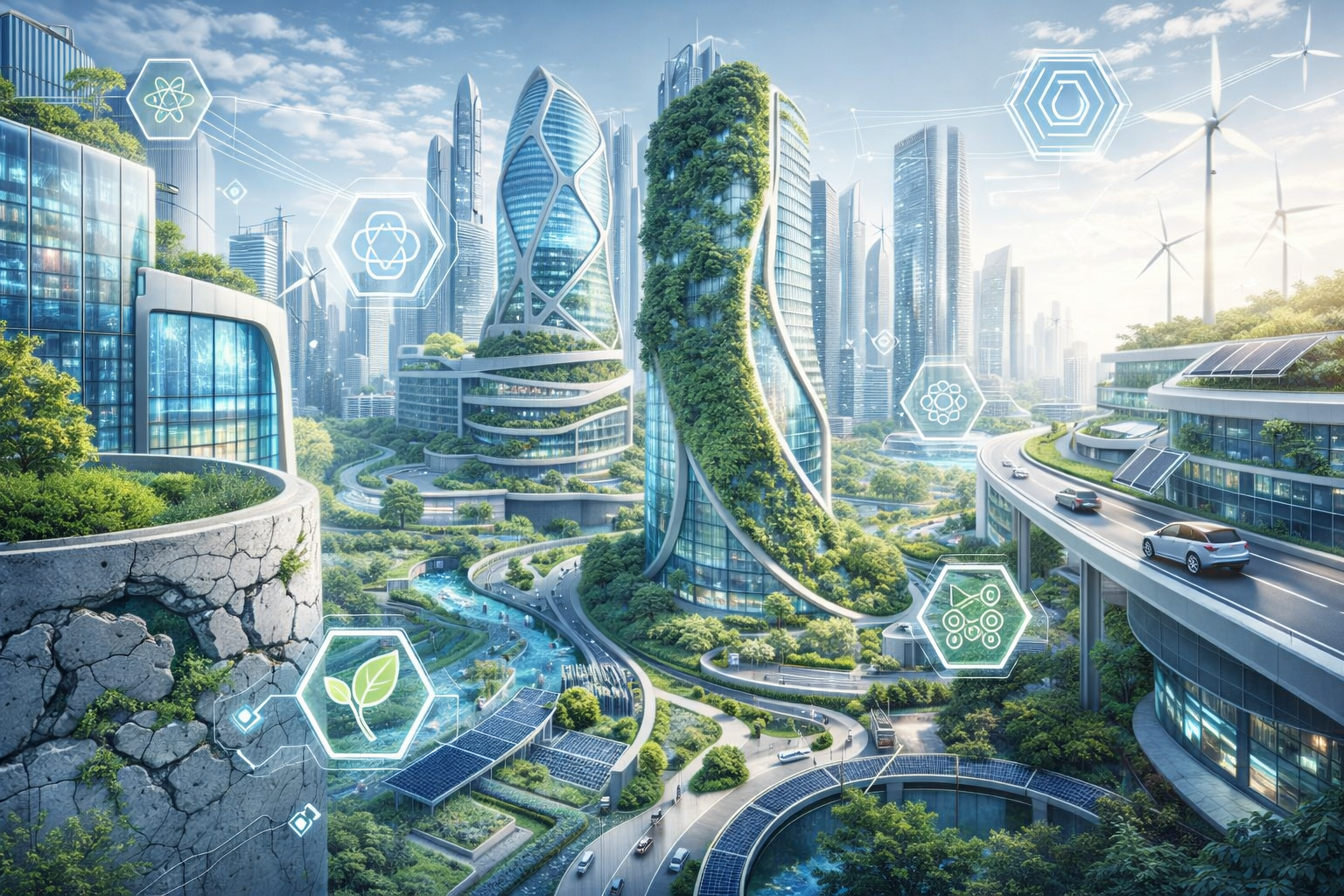
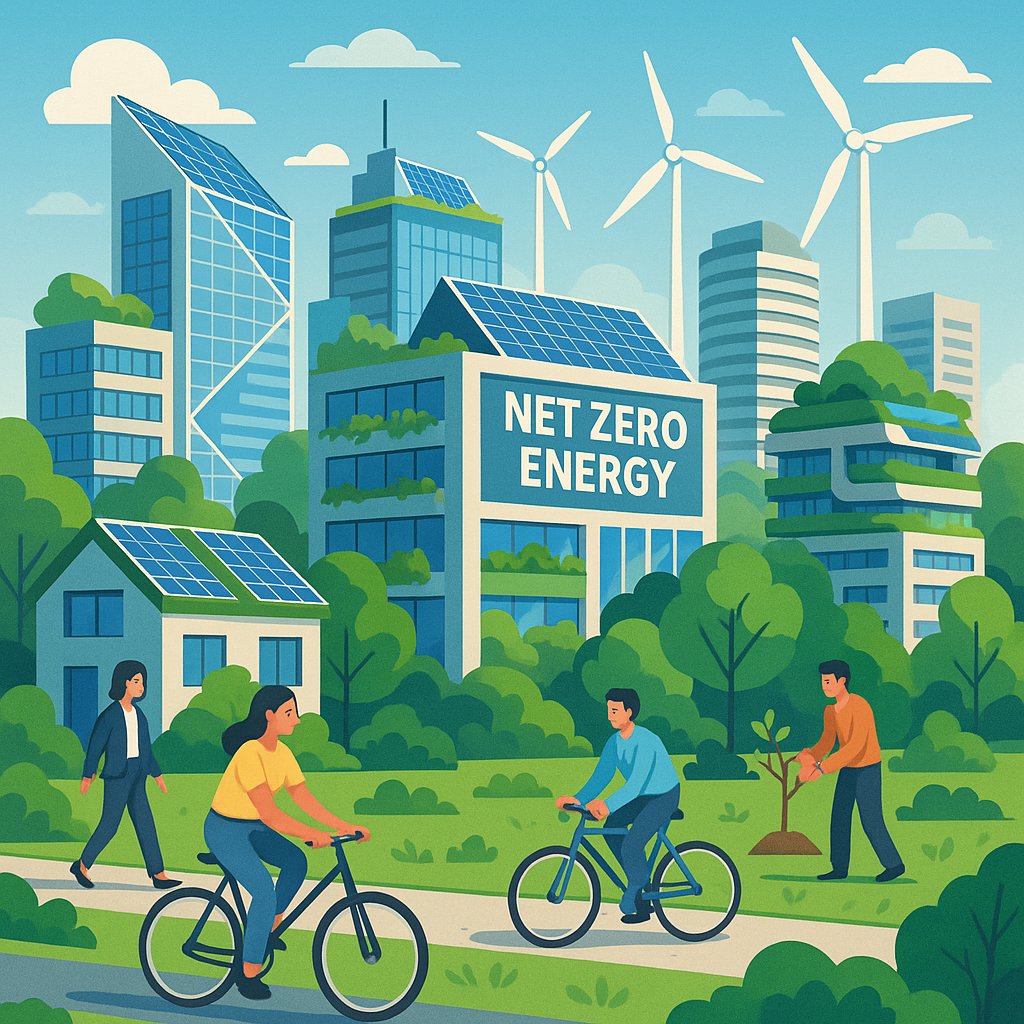
As climate change accelerates, the construction industry is under growing pressure to reduce its environmental footprint. Net-zero buildings have emerged as one of the most promising responses — structures designed to generate as much energy as they consume, helping cut carbon emissions while lowering costs for occupants.
What Is a Net-Zero Building?
A net-zero building is a structure that balances its total energy consumption with the amount of clean energy it produces on-site. Over the course of a year, the energy it draws from the power grid is offset by the energy it feeds back into it.
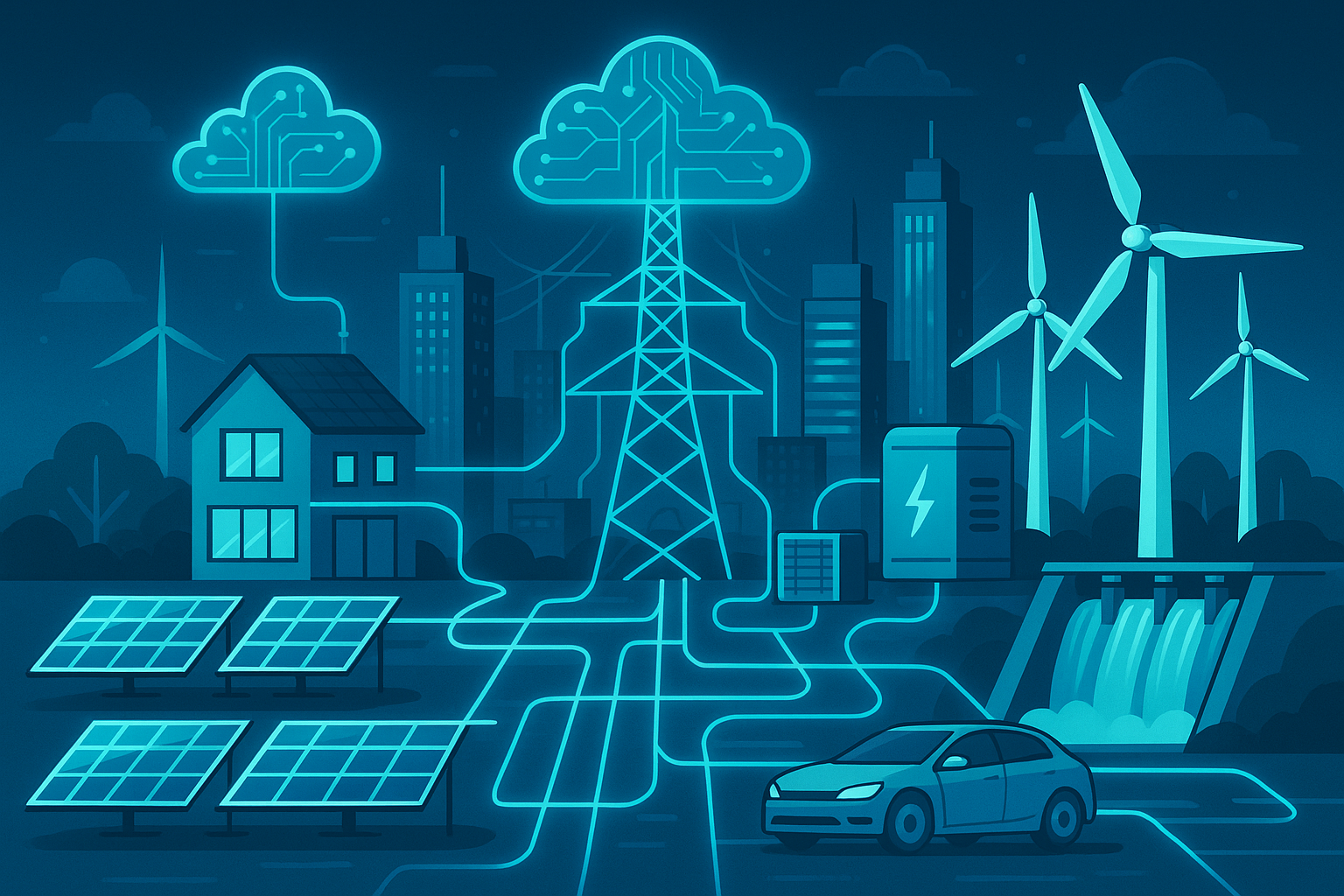
This balance is achieved through a combination of energy-efficient design, smart technology, and renewable energy sources such as solar panels, wind turbines, or geothermal systems. The result is a building that runs largely on clean power without relying heavily on fossil fuels.
Why Net-Zero Buildings Matter for the Environment and Your Wallet
Buildings are among the largest consumers of energy globally, and much of that energy still comes from coal, gas, and other polluting sources. Net-zero buildings directly address this problem. Here is why they are gaining attention:
- Reduced energy consumption: Smart design and efficient materials lower the overall energy demand of the building.
- On-site clean energy production: Solar arrays, wind turbines, and geothermal systems generate power without emissions.
- Lower carbon footprint: By cutting dependence on fossil fuels, these buildings help reduce greenhouse gas emissions.
- Decreased utility bills: Homeowners and businesses benefit from significantly lower electricity and heating costs over time.
The financial savings over the long term often outweigh the higher upfront investment, making net-zero buildings attractive for both residential and commercial property owners.
Key Features That Define a Net-Zero Building
Achieving net-zero status requires more than installing a few solar panels. It demands a holistic approach to design, construction, and technology. The main features include:
- Energy-efficient construction: Walls, roofs, and windows are designed to retain heat in winter and block it in summer, reducing the load on heating and cooling systems.
- Smart lighting and appliances: LED lighting and energy-rated appliances cut power use without compromising comfort.
- Renewable energy systems: Solar panels are the most common choice, but some buildings also use wind turbines or geothermal heating and cooling.
- Advanced HVAC systems: Modern heating, ventilation, and air conditioning units operate with far greater efficiency than older models.
- Energy monitoring technology: Smart meters and monitoring systems track energy use in real time and help identify areas where waste can be reduced.
Builders also increasingly rely on eco-friendly materials such as bamboo, recycled metal, and non-toxic paints. Pre-fabricated components are another growing trend, as they reduce construction waste and improve precision.
Challenges Facing Net-Zero Construction
Despite the clear benefits, building net-zero structures comes with real obstacles that the industry is still working to overcome.
| Challenge | Details |
|---|---|
| Higher upfront costs | Premium materials and advanced technology increase initial construction expenses. |
| Skilled workforce shortage | Green building requires specialists trained in sustainable design and engineering. |
| Limited awareness | Many property owners and developers are still unfamiliar with net-zero concepts and benefits. |
The good news is that as awareness grows and the cost of renewable technology continues to fall, these barriers are becoming easier to overcome. Government incentives and green building certifications are also helping push adoption forward.
Real-World Examples of Net-Zero Buildings
Net-zero construction is no longer a concept confined to blueprints. Several landmark buildings around the world already demonstrate what is possible:
- The Bullitt Center, Seattle: Widely regarded as one of the greenest commercial office buildings in the world, it generates all its energy from rooftop solar panels and is designed to last 250 years.
- The Edge, Amsterdam: This smart office building uses solar power and an advanced digital infrastructure to minimise energy consumption, earning it top sustainability ratings.
- ZNE Schools, California: A programme that has helped public schools across California operate entirely on renewable energy, reducing costs for school districts while educating students about sustainability.
Engineers play a central role in making these projects work. They design low-energy power systems, high-performance insulation, water recycling setups, and integrated renewable energy arrays — turning green ideas into buildings where people actually live, study, and work.
Net-zero buildings represent a practical, proven path toward reducing the construction sector’s impact on the climate. As technology improves and costs come down, these structures are set to become the new standard rather than the exception. For homeowners, businesses, and governments looking to make a meaningful difference, investing in net-zero design is one of the most impactful steps available today.
Frequently Asked Questions
A green building is designed to be environmentally friendly through efficient use of resources, but it may still rely on the grid for energy. A net-zero building goes further by producing as much energy as it consumes over a year, effectively balancing its energy account to zero.
Yes, net-zero buildings typically have higher upfront construction costs due to premium materials, renewable energy systems, and advanced technology. However, they usually result in significantly lower utility bills over time, making them cost-effective in the long run.
Yes, existing buildings can be retrofitted to achieve net-zero status. This usually involves upgrading insulation, replacing old HVAC systems with energy-efficient models, installing solar panels, and adding smart energy monitoring systems. The process varies in complexity and cost depending on the building's current condition.