
Robots are no longer just machines that follow fixed instructions. Thanks to two powerful approaches — model-based automation and intent-based automation — modern robots can now understand goals, plan their own actions, and adapt when conditions change. These methods are reshaping how automation works across factories, warehouses, hospitals, and homes.
What Is Model-Based Automation?
Model-based automation gives robots a digital representation of their working environment, often called a digital twin. This digital model acts like a detailed map that the robot uses to understand its surroundings and plan its actions.
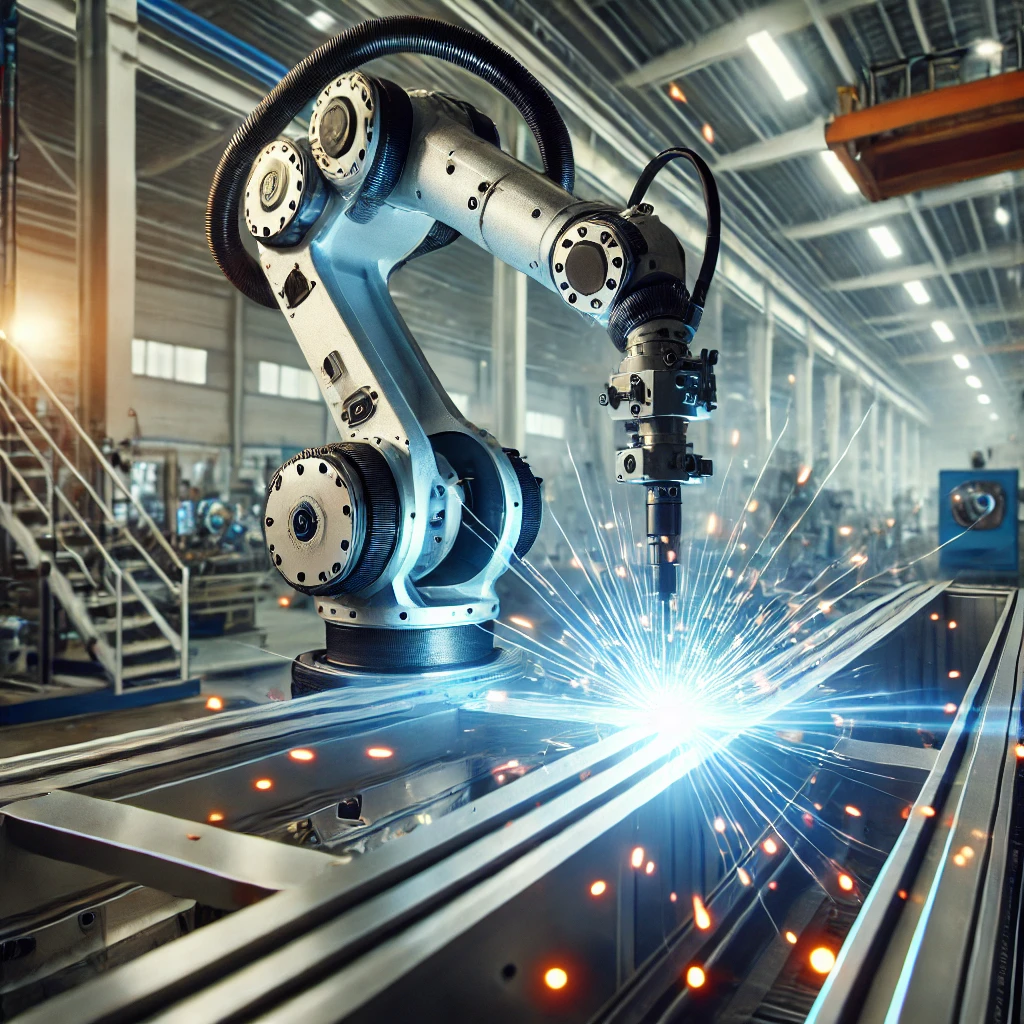
When something in the real world shifts — say, a part is out of place on an assembly line — the robot compares the actual situation to its model and adjusts accordingly. It does not stop or fail. It finds a way to complete the task.
Key benefits of model-based automation:
- Higher precision and reliability in operations
- Faster detection of errors or unexpected changes
- Reduced downtime and lower operational costs
- Better quality control in manufacturing processes
For example, a factory robot using a digital model of its assembly line can detect a misplaced component and still finish the job without human intervention. This kind of adaptability was simply not possible with older rule-based robotic systems.
What Is Intent-Based Automation?
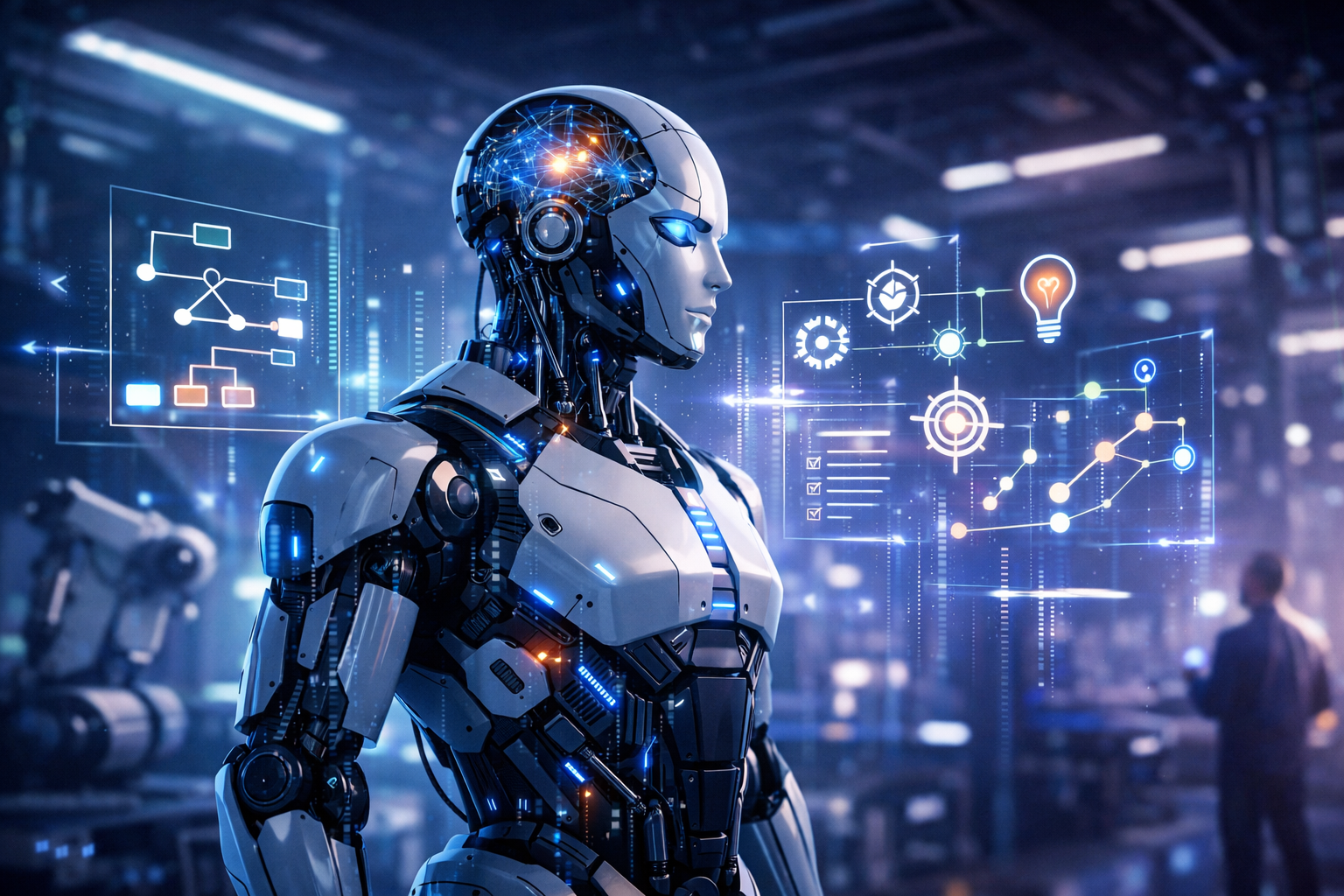
Intent-based automation takes a different approach. Instead of requiring detailed step-by-step programming, it allows humans to simply state what they want — and the robot figures out how to do it.
A worker might say, “Sort these boxes by size and stack them.” The robot then breaks down the task on its own: measure each box, group them by size, and stack them in the correct order. No manual coding of every step is needed.
Key benefits of intent-based automation:
- Humans can communicate with robots in plain, goal-oriented language
- Significantly reduces the time spent on programming and setup
- Works well in dynamic environments where tasks change frequently
- Makes automation accessible even to non-technical workers
In a warehouse setting, a worker can instruct a robot to “Move these items to the shipping area,” and the robot will plan the most efficient route and carry out the task independently.
How These Two Approaches Compare
| Feature | Model-Based Automation | Intent-Based Automation |
|---|---|---|
| Core Idea | Uses a digital model of the environment | Understands human goals and plans steps |
| Input Required | Predefined digital twin or environment map | High-level goal or instruction from a human |
| Best For | Precision tasks in structured environments | Dynamic tasks with changing conditions |
| Industries | Manufacturing, healthcare, engineering | Warehousing, logistics, smart homes |
Where These Technologies Are Being Applied
Both model-based and intent-based automation are already making an impact across several industries:
- Factories: Robots adapt to new product designs or layout changes without needing to be reprogrammed from scratch.
- Warehouses: Robots pick, sort, move, and pack items by understanding worker instructions directly.
- Healthcare: Surgical robots assist doctors with high-precision procedures, guided by detailed anatomical models.
- Smart Homes: Home robots receive simple commands like “Clean the living room” and carry them out without step-by-step guidance.
Why This Shift in Automation Matters
Traditional robots were limited. They could only perform tasks they were explicitly programmed for. If anything changed — a new product, a different layout, an unexpected obstacle — they would fail or stop entirely.
Model-based and intent-based automation change this completely. Robots can now:
- Adjust in real time when real-world conditions shift
- Work toward goals rather than just execute fixed commands
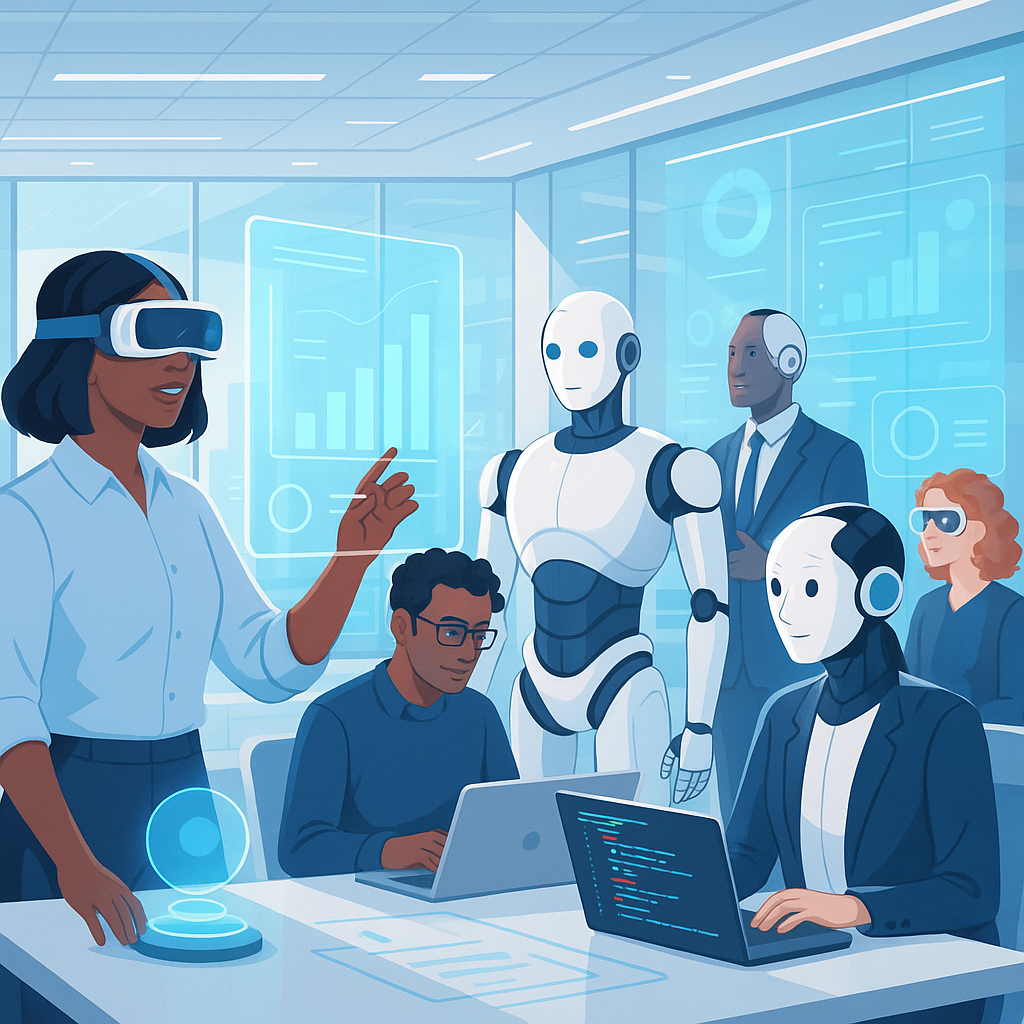
- Collaborate more naturally with human workers
- Help companies save time, reduce errors, and cut costs
This shift is not just a technical upgrade. It represents a fundamental change in how humans and machines work together. The focus is moving from machines that do jobs to machines that understand and achieve goals.
As these technologies mature, their adoption across industries is expected to grow rapidly. Businesses that invest in smarter automation today are likely to gain a significant competitive edge in the years ahead.
In summary, model-based and intent-based automation are two of the most important developments in modern robotics. Together, they are building a future where robots are not just tools — they are intelligent partners capable of reasoning, adapting, and working alongside humans in meaningful ways.