
Humanoid robots have become one of the most talked-about technologies in recent years. Videos of robots walking, dancing, and holding conversations spread quickly online, creating massive excitement. But beyond the impressive clips and tech event showcases, a key question remains — are humanoid robots genuinely useful today, or is most of the buzz built on hype?
What Are Humanoid Robots and How Do They Work?
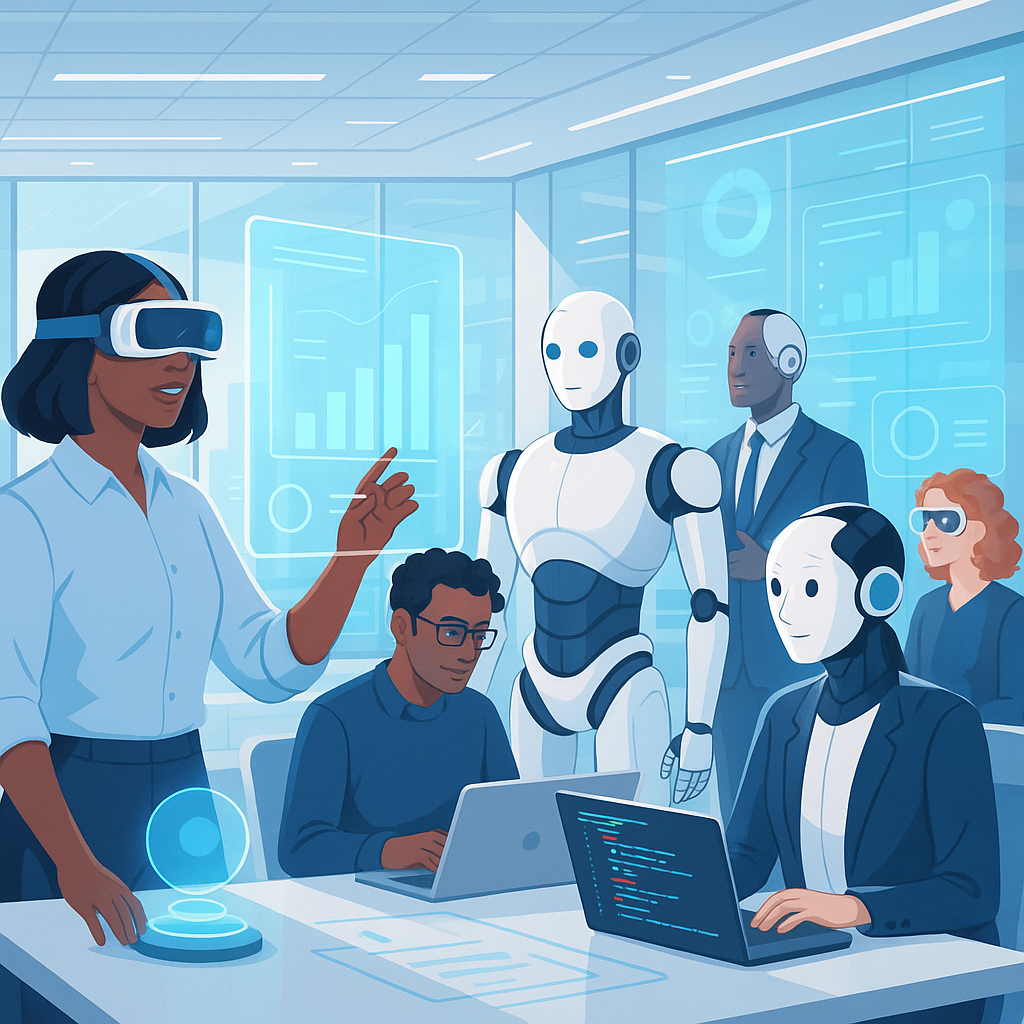
Humanoid robots are machines built to resemble and move like humans. They typically have a head, two arms, and two legs. This human-like design is intentional — the goal is to allow these robots to operate in spaces already built for people, such as offices, hospitals, factories, and homes.
These robots rely on a combination of technologies to function:
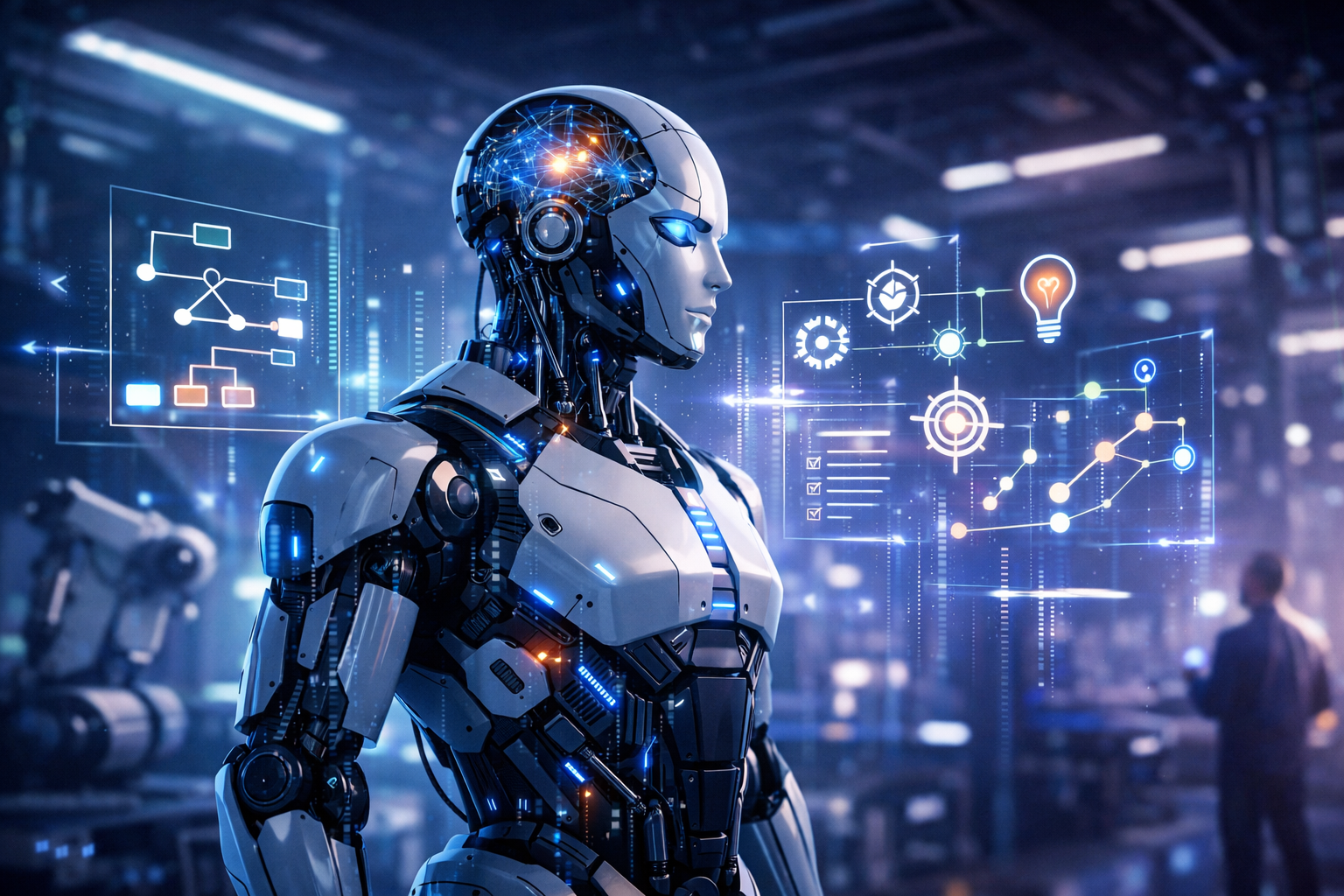
- Artificial intelligence to process information and make decisions
- Cameras and sensors to understand their surroundings
- Speech recognition software to respond to voice commands
- Advanced motors and actuators to replicate human movement
Despite these capabilities, humanoid robots are still far from behaving naturally in unpredictable, real-world environments.
Why Humanoid Robots Attract So Much Attention
Part of the fascination with humanoid robots is psychological. People naturally feel more comfortable with machines that look and behave like them. This familiarity makes humanoid robots feel less like tools and more like companions or coworkers.
The rapid growth of artificial intelligence has also fueled excitement. AI allows robots to recognize faces, understand spoken language, and respond to instructions — capabilities that were once considered science fiction. Add to this the growing concern about worker shortages in many industries, and humanoid robots are frequently positioned as the solution of the future.
Social media plays a significant role too. Short, polished videos of robots performing impressive tasks create a strong public impression, even when those robots are operating in highly controlled conditions that do not reflect everyday use.
Where Humanoid Robots Are Actually Being Used Today
Humanoid robots do have real-world applications, though they remain limited in scope. Here is where they are making a genuine impact right now:
- Research and development: Scientists use humanoid robots to study human movement, balance, and human-machine interaction. This research directly improves future robot designs.
- Controlled factory and lab environments: In structured settings, humanoid robots can move objects, inspect equipment, and assist workers with repetitive tasks.
- Public-facing roles: Malls, airports, and exhibitions use humanoid robots as reception assistants or information guides. Their human-like appearance makes them approachable for basic communication.
- Training and simulation: Healthcare workers, emergency responders, and engineers use humanoid robots to practice real-life scenarios in a safe environment.
These use cases show genuine value, but they represent a narrow slice of what humanoid robots are often promoted to do.
Key Limitations Holding Humanoid Robots Back
For all their visual appeal, humanoid robots face serious practical challenges that limit widespread adoption.
| Challenge | Details |
|---|---|
| High Cost | Building and maintaining humanoid robots is expensive. Simpler robots often do the same work at a fraction of the price. |
| Energy Consumption | Walking and balancing require significant power, making humanoid robots less efficient than wheeled or fixed alternatives. |
| Limited Intelligence | Most cannot think independently and still require human supervision or pre-programmed instructions for most tasks. |
| Safety Risks | Working in close proximity to humans means even minor errors can lead to accidents or injuries. |
These limitations explain why most industries still prefer task-specific robots over humanoid ones for day-to-day operations.
Humanoid Robots vs Task-Specific Robots: Which Wins Today?
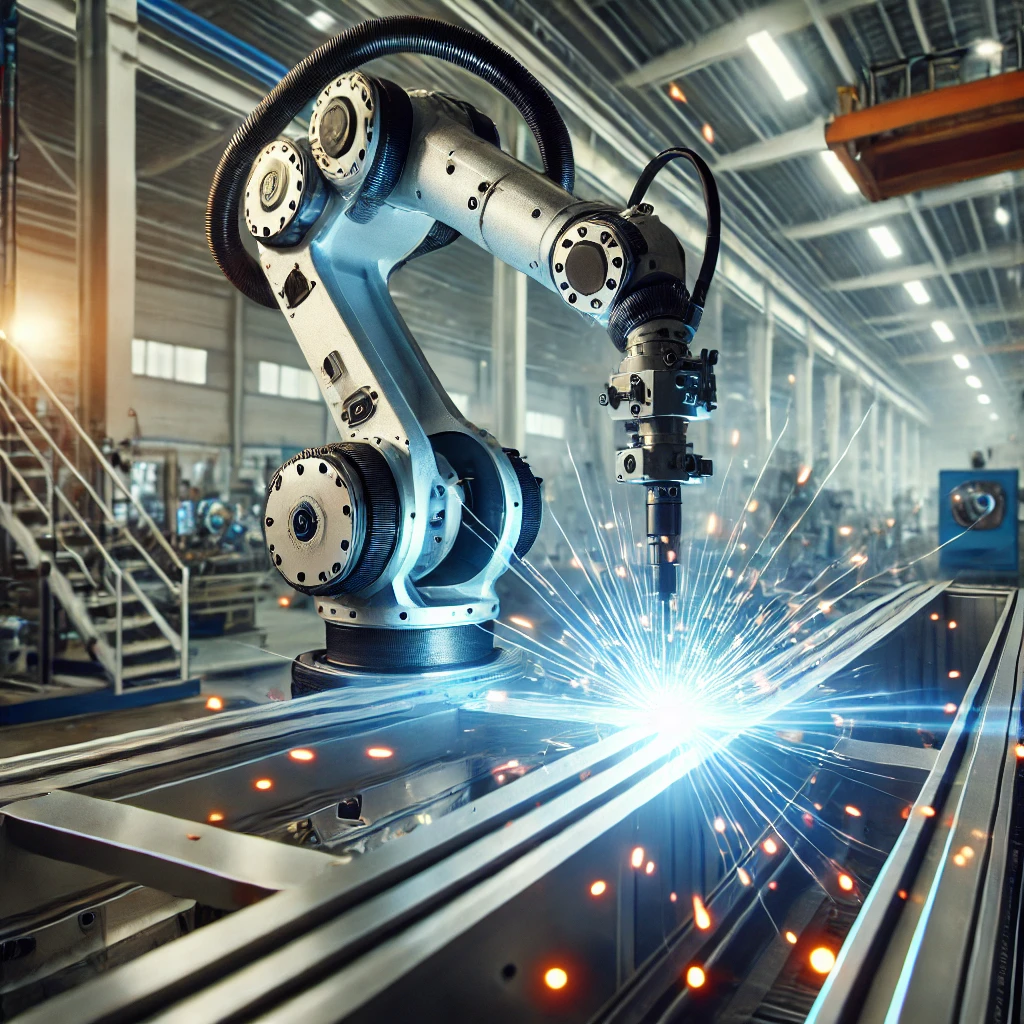
Task-specific robots are designed to do one job extremely well — whether that is welding car parts, packing boxes, or lifting heavy loads. They are faster, cheaper, and far more reliable for their intended purpose.
Humanoid robots offer greater flexibility in theory. A single humanoid robot could, in principle, switch between different tasks in different environments. But in practice, they are slower and less efficient than purpose-built machines. For most industries today, task-specific robots deliver better results with lower risk and lower cost.
The comparison is not about which type is superior overall — it is about which is the right tool for the job. Right now, task-specific robots win for most industrial applications.
What the Future Holds for Humanoid Robots
The long-term outlook for humanoid robots is genuinely promising, even if the timeline is longer than many headlines suggest. Several developments could change the picture significantly:
- Improvements in AI will allow robots to understand complex language and make better real-time decisions.
- Advances in battery technology will make humanoid robots lighter and more energy-efficient.
- Better materials and engineering will improve durability and reduce manufacturing costs.
In the coming years, humanoid robots could play meaningful roles in elderly care, disaster rescue operations, healthcare assistance, and service industries where human-like interaction genuinely matters. These are areas where their design gives them a real advantage over other robot types.
Humanoid robots are not science fiction, but they are not ready to replace humans or outperform traditional robots in most settings just yet. The technology is real, the progress is steady, and the potential is significant — but the everyday reality still lags behind the excitement. As innovation continues, the gap between hype and genuine utility will gradually close.