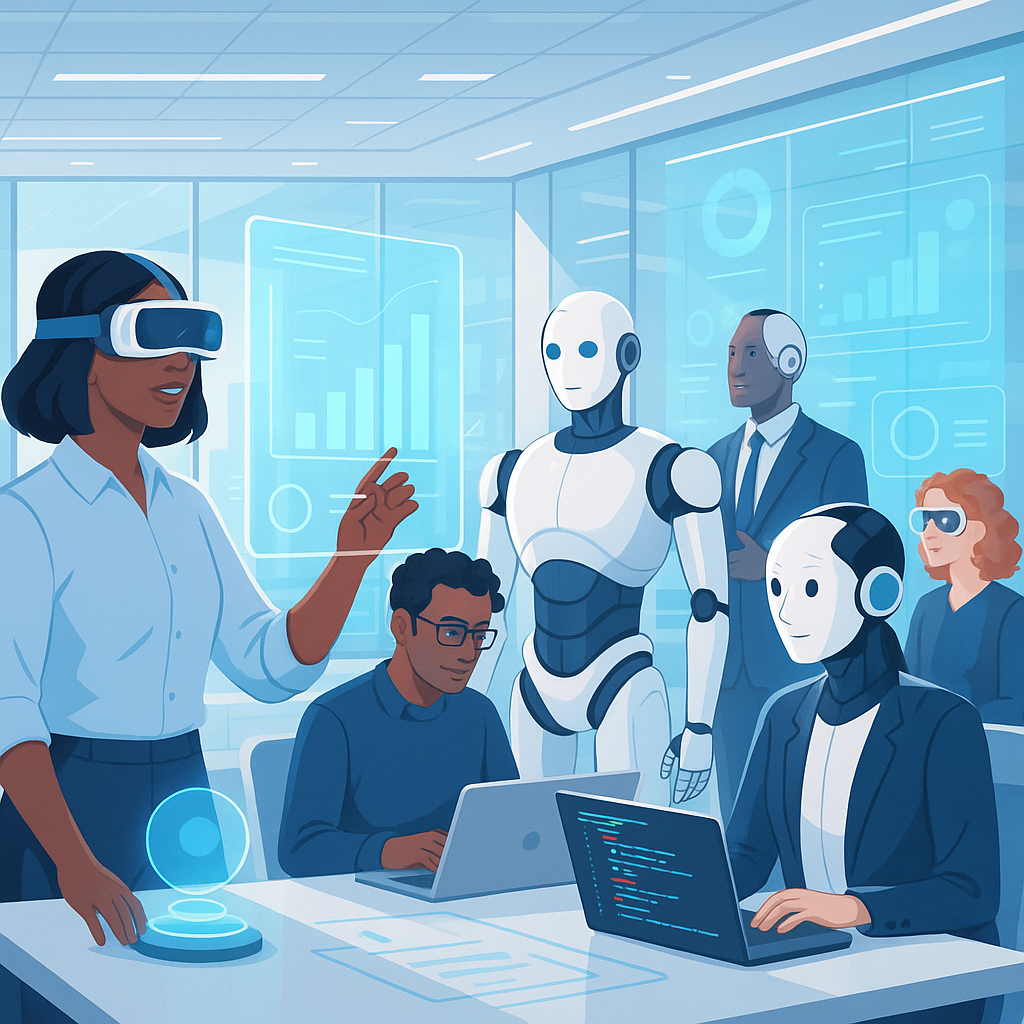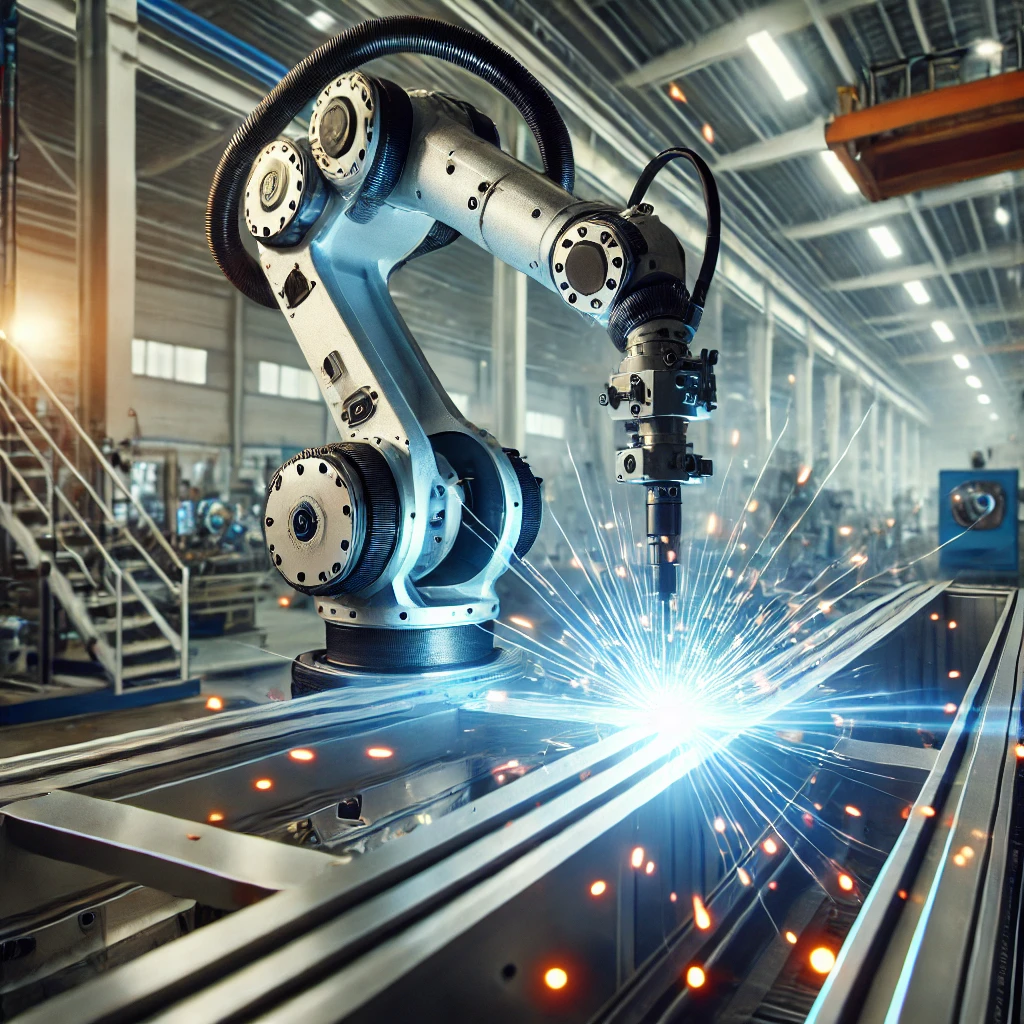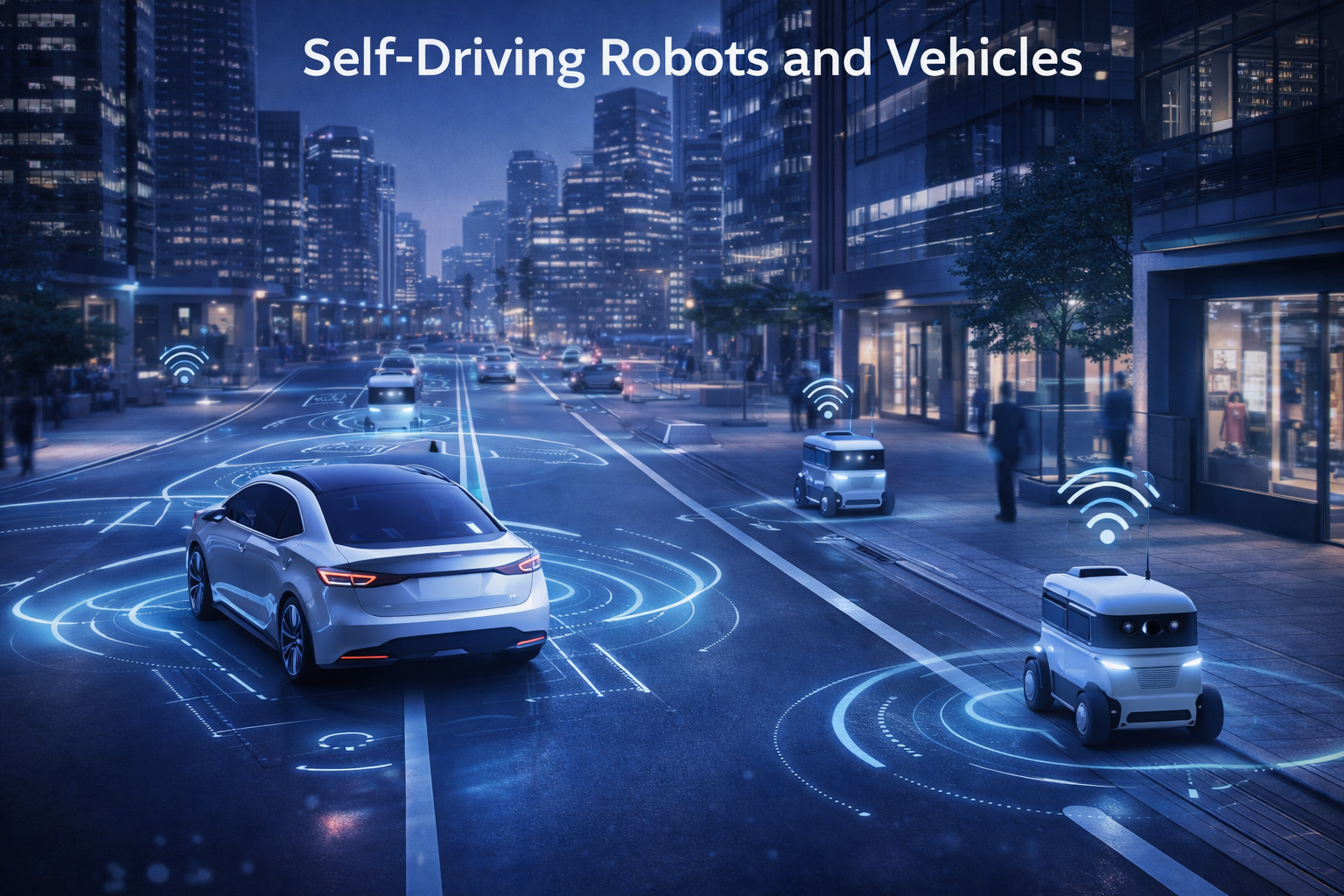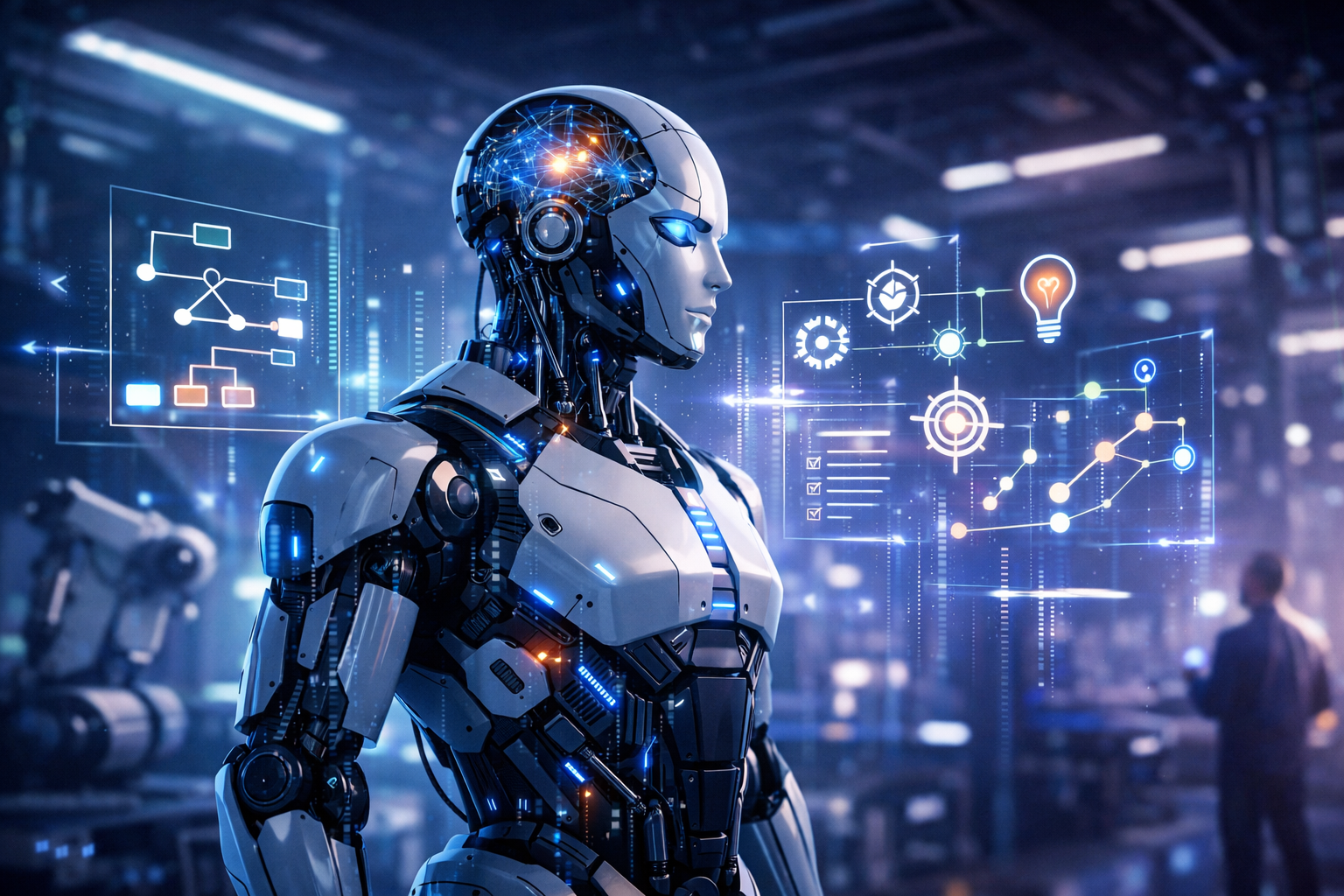
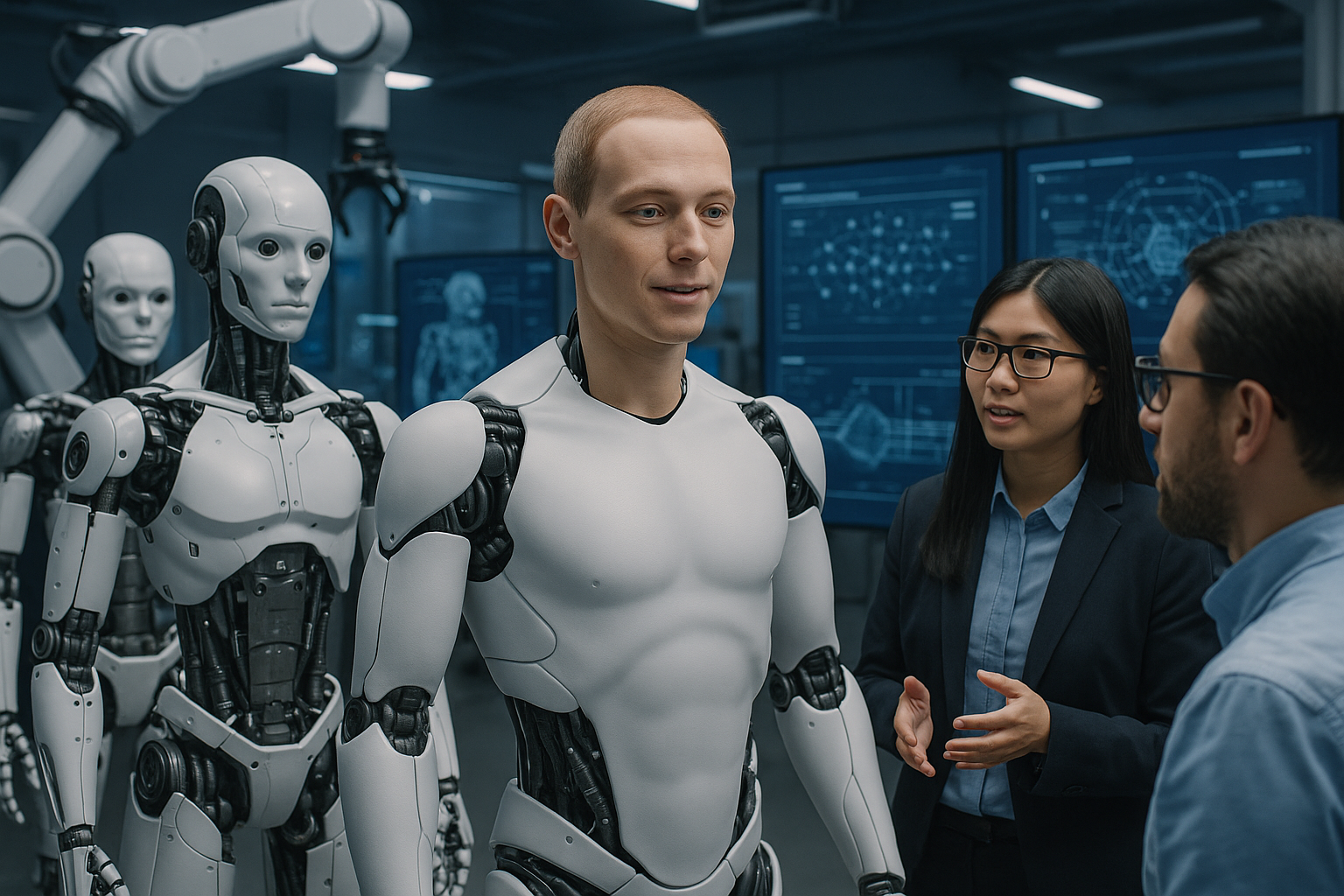
Humanoid robots have come a long way from being characters in science fiction films. Today, they walk factory floors, greet customers in stores, and assist elderly patients at home. Engineers and researchers are pushing the boundaries of what machines can do — but just how close are we to robots that can truly match human intelligence and capability?
What Exactly Are Humanoid Robots?
A humanoid robot is a machine built to resemble and behave like a human being. These robots typically have a head, two arms, a torso, and two legs. But the design goes beyond physical appearance. They are built to move, speak, and perform tasks in ways that feel natural to people around them.
Different humanoid robots serve different purposes:
- Research robots help scientists study human movement and cognition.
- Service robots assist customers in retail spaces and public areas.
- Companion robots provide social interaction and emotional support.
- Healthcare robots support patients and assist medical staff.
The goal is not just to look human — it is to be genuinely useful in human environments.
A Brief History of Humanoid Robot Development
The dream of building machines that act like humans is centuries old. Early inventors created mechanical dolls powered by gears and levers. These were impressive for their time but had very limited abilities.
The real turning point came in the 20th century. Honda’s ASIMO, one of the most well-known humanoid robots, could walk, run, climb stairs, and hold simple conversations. It showed the world that human-like movement in a machine was possible.
Over the following decades, advances in computing power, sensor technology, and materials science helped robots become faster, more balanced, and more responsive. Each generation of humanoid robots improved on the last, setting the stage for the sophisticated machines we see today.
How Artificial Intelligence Changed Robotics Forever
The biggest shift in humanoid robotics came with the rise of artificial intelligence. Before AI, robots followed fixed instructions — they could only do exactly what they were programmed to do. AI changed that completely.
Modern humanoid robots powered by AI can:
- Understand and respond to voice commands in real time.
- Recognise faces and identify individual people.
- Learn from experience and adapt to new situations.
- Handle tasks that were not explicitly pre-programmed.
This flexibility is what makes today’s robots genuinely useful. A robot that can adjust to an unexpected situation — like a customer asking an unusual question — is far more valuable than one that can only follow a script.
Companies like Boston Dynamics, SoftBank Robotics, and Tesla have invested heavily in combining advanced robotics hardware with AI software. The result is a new generation of machines that are smarter, more agile, and more capable than anything built before.
Where Humanoid Robots Are Being Used Right Now
Humanoid robots are no longer confined to research laboratories. They are being deployed in real-world settings across multiple industries.
| Industry | How Humanoid Robots Are Used |
|---|---|
| Retail | Greeting customers, providing directions, answering product queries |
| Healthcare | Patient care assistance, therapy support, hospital navigation |
| Education | Supporting teachers, interactive learning for students |
| Home Assistance | Helping with simple household tasks, companionship for elderly |
| Manufacturing | Assembly line support, quality checks, material handling |
Robots like Pepper by SoftBank Robotics are already active in retail environments across Japan, Europe, and parts of India. While they are not perfect, they are becoming more reliable and capable with each software update.
The Biggest Challenges Still Standing in the Way
Despite impressive progress, humanoid robots still fall short of human-level performance in several important areas.
- Physical movement: Achieving smooth, natural motion — especially on uneven or unpredictable terrain — remains technically difficult.
- Sensory understanding: Humans process touch, smell, taste, and subtle visual cues in ways robots cannot yet replicate.
- Emotional intelligence: Understanding human emotions, reading social cues, and responding with empathy is still beyond current robot capabilities.
- Ethical decision-making: When faced with complex moral choices, robots lack the life experience and intuition that humans rely on.
- Battery and power: Most humanoid robots have limited operating time before they need recharging, which restricts practical use.
Each of these challenges is being worked on by research teams around the world. Progress is steady, but solving all of them together — in a single machine — is an enormous engineering task.
What the Future Holds for Humanoid Robots
The outlook for humanoid robotics is genuinely exciting. Researchers and engineers expect the next generation of robots to be significantly more capable. Key developments on the horizon include:
- Better natural language understanding, allowing robots to hold meaningful, context-aware conversations.
- Improved emotional recognition, enabling robots to respond appropriately to human moods.
- Greater physical adaptability, so robots can operate safely in homes, hospitals, and public spaces.
- Longer battery life and more efficient power systems for extended real-world use.
As these technologies mature, humanoid robots will shift from being tools to becoming genuine partners in daily life — assisting people at work, at home, and in healthcare settings.
We are not yet at the point where a robot can fully replace human judgment, creativity, or emotional depth. But the gap is narrowing faster than many expected just a decade ago.
The journey from mechanical dolls to AI-powered humanoid robots has been remarkable. The next chapter promises to be even more transformative — and it is already being written in laboratories and factories around the world.