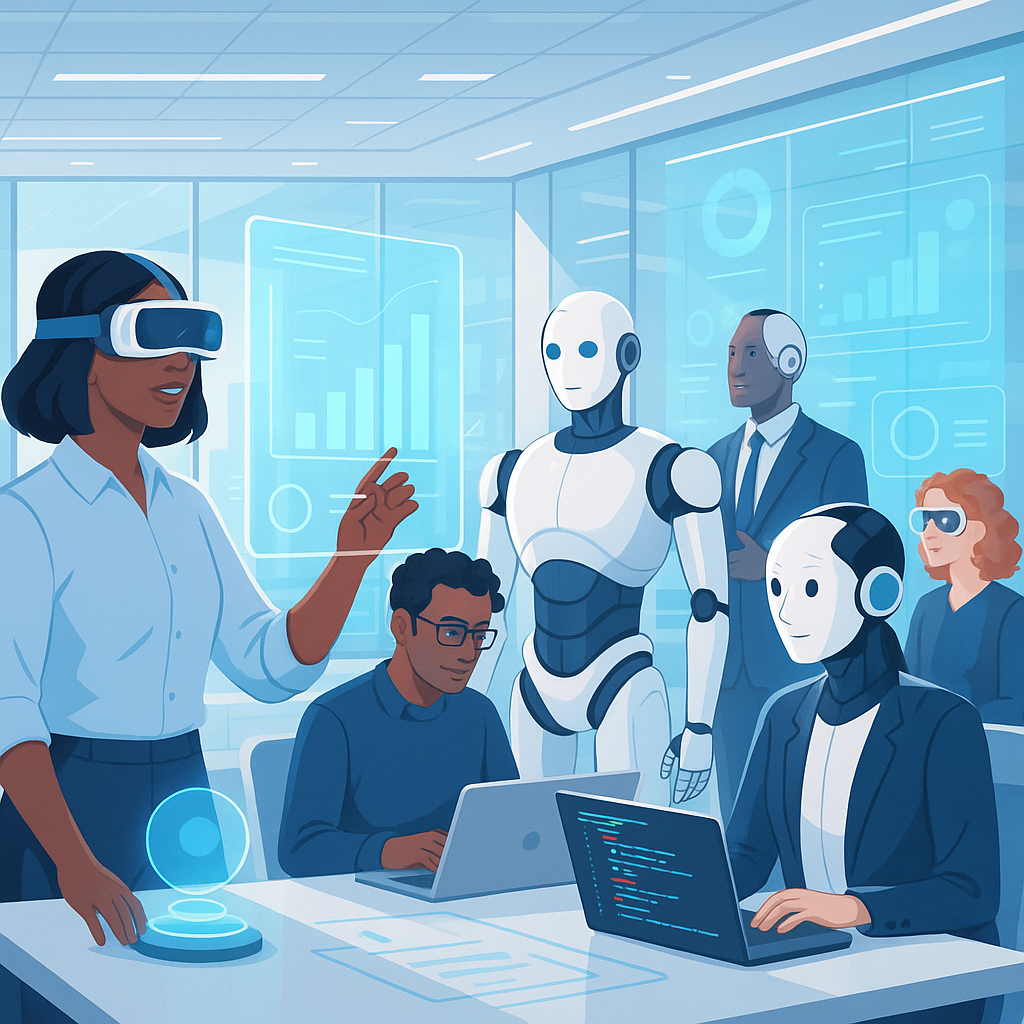
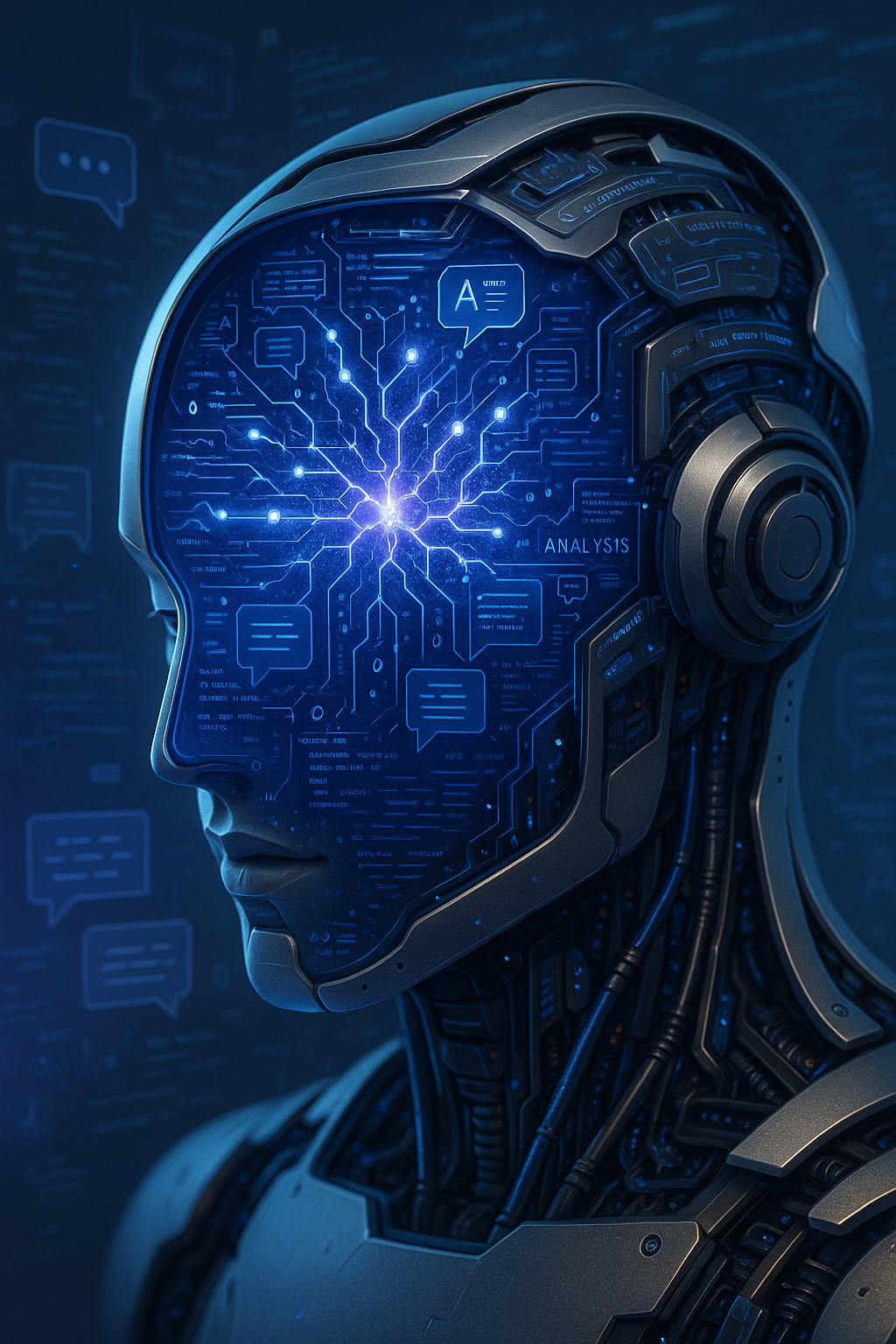
Robots that look and move like humans are no longer science fiction. By 2025, humanoid robots are actively working in factories, warehouses, hospitals, and retail spaces across the world. Companies like Amazon and Hyundai are already deploying these machines, and the trend is only picking up speed. Here is a clear, practical breakdown of what humanoid robots are, where they are being used, and what their rise means for workers and businesses.
What Exactly Is a Humanoid Robot?
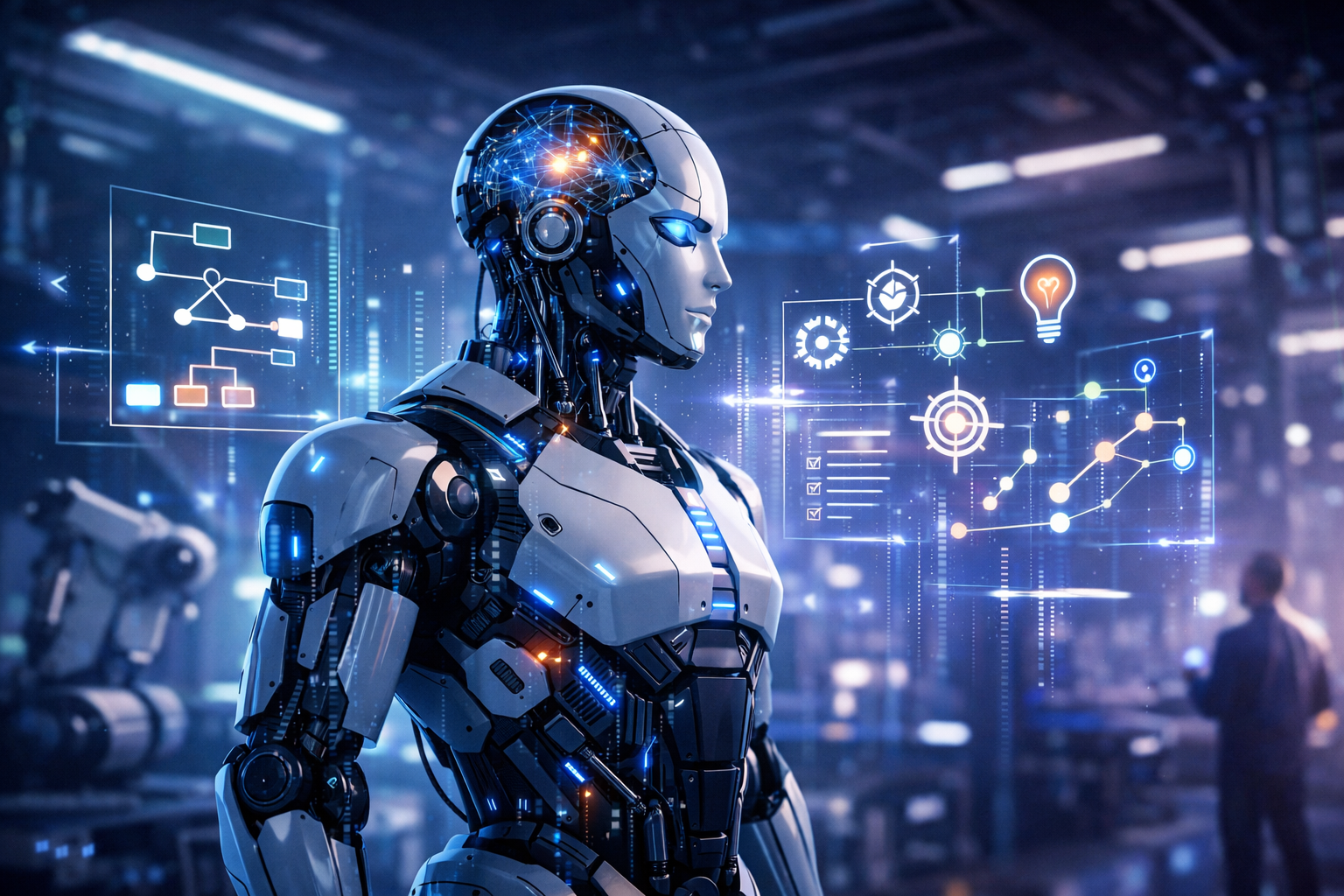
A humanoid robot is a machine designed to look and function like a human being. Unlike traditional industrial robots that are fixed to one spot on an assembly line, humanoid robots are built to operate in environments originally designed for people — think office corridors, hospital wards, or retail store aisles.
These machines typically include:
- A head, arms, and legs for human-like movement and reach
- Cameras acting as eyes to see and navigate surroundings
- Sensors to detect and interact with objects
- Decision-making software to process information and respond
- Motors to walk, lift, and carry out physical tasks
Because they are shaped like humans, these robots can use the same tools, doors, staircases, and workstations that people use every day — without requiring businesses to redesign their entire infrastructure.
Why Are Humanoid Robots Becoming So Popular Now?
Several factors have come together to push humanoid robots from research labs into real workplaces:
- Worker shortages: Many industries struggle to fill positions for physically demanding, repetitive, or hazardous jobs. Robots offer a reliable alternative.
- Better and cheaper technology: Advances in sensors, software, and manufacturing have made humanoid robots smarter and more affordable than ever before.
- Proven real-world use: Major corporations including Amazon and Hyundai are already testing and deploying robots like Digit and Optimus in live work environments.
- Cost savings over time: Robots do not need salaries, breaks, or benefits. For businesses running 24-hour operations, this is a significant financial advantage.
Where Are Humanoid Robots Being Deployed?
Humanoid robots are showing up across a wide range of industries. Here is a look at where they are currently being used and what tasks they handle:
| Industry | Role of Humanoid Robot | Example |
|---|---|---|
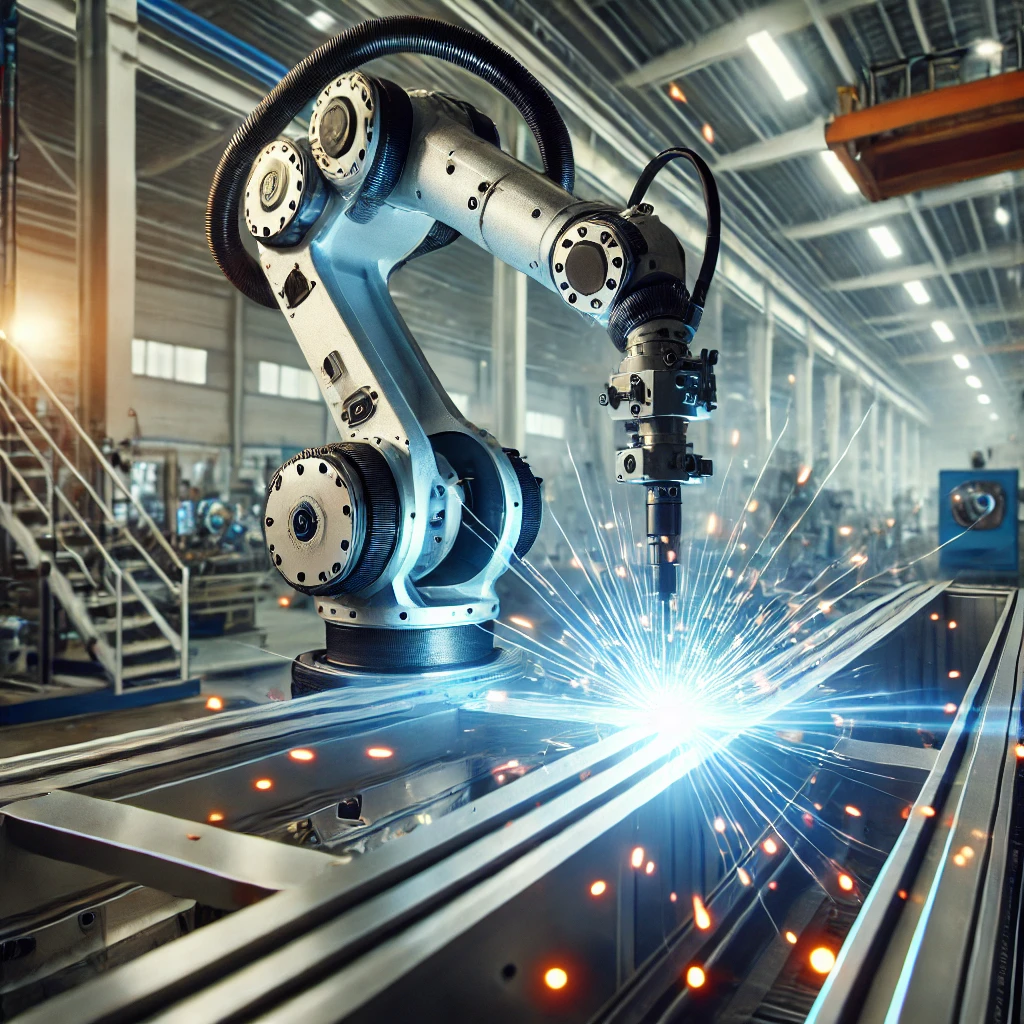
| Factories | Assembling cars and electronics | Hyundai’s Boston Dynamics robots |
| Warehouses | Moving boxes and packing products | Amazon testing Digit robot |
| Stores and Airports | Guiding visitors and answering questions | Customer service robots |
| Hospitals | Assisting nurses and supporting elderly patients | Healthcare assistance robots |
Amazon’s warehouse robot Digit, developed by Agility Robotics, is one of the most talked-about examples. It is designed to lift and move totes in fulfillment centers, handling tasks that are physically repetitive and tiring for human workers.
Key Benefits of Humanoid Robots in the Workplace
The advantages of deploying humanoid robots go beyond just replacing manual labor. Here is what makes them genuinely useful:
- They work continuously without fatigue or the need for rest breaks
- They perform repetitive tasks with consistent accuracy, reducing errors
- They can safely operate in dangerous, dirty, or extreme environments where human health could be at risk
- They reduce long-term operational costs for businesses despite high upfront investment
- They are designed to work alongside humans in shared spaces, making them collaborative rather than purely replacements
Challenges and Concerns That Still Need to Be Addressed
Despite the clear advantages, the rise of humanoid robots in the workforce brings real challenges that cannot be ignored:
- High purchase and maintenance costs: Advanced humanoid robots currently carry a steep price tag, making them accessible mainly to large corporations.
- Complex integration: Setting up these robots to work with existing equipment and workflows can take significant time and technical expertise.
- Job displacement fears: Many workers are understandably concerned about robots taking over their roles, particularly in manufacturing and logistics.
- Need for new regulations: Governments and industry bodies are still working on safety standards and legal frameworks to govern how humanoid robots can be used fairly and responsibly.
Addressing these concerns will be critical for businesses, policymakers, and workers as adoption accelerates over the next few years.
Humanoid robots are no longer a distant concept — they are on the factory floor, in the warehouse, and at the hospital reception desk right now. While the technology brings clear productivity and safety benefits, it also demands thoughtful planning around workforce impact and regulation. Businesses that prepare early, and workers who adapt their skills, will be best placed to benefit from this shift rather than be disrupted by it.