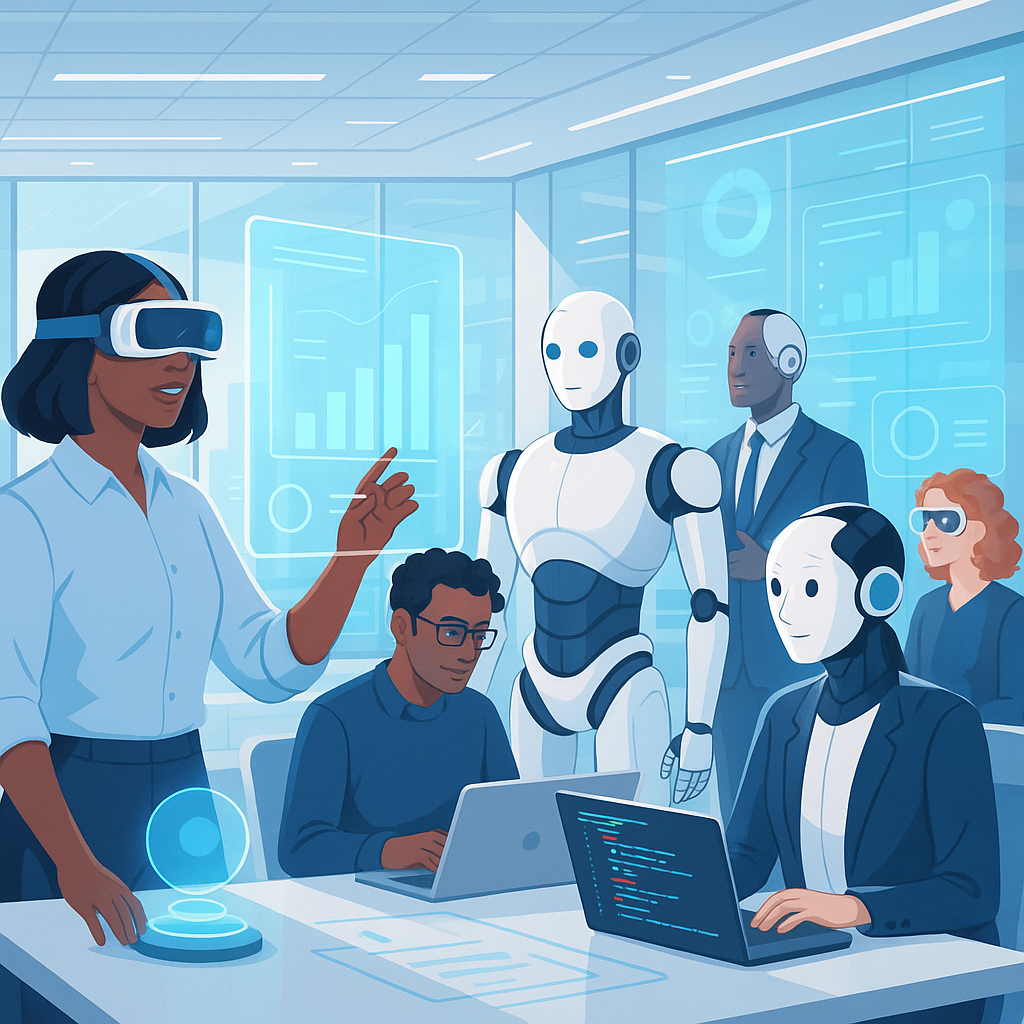
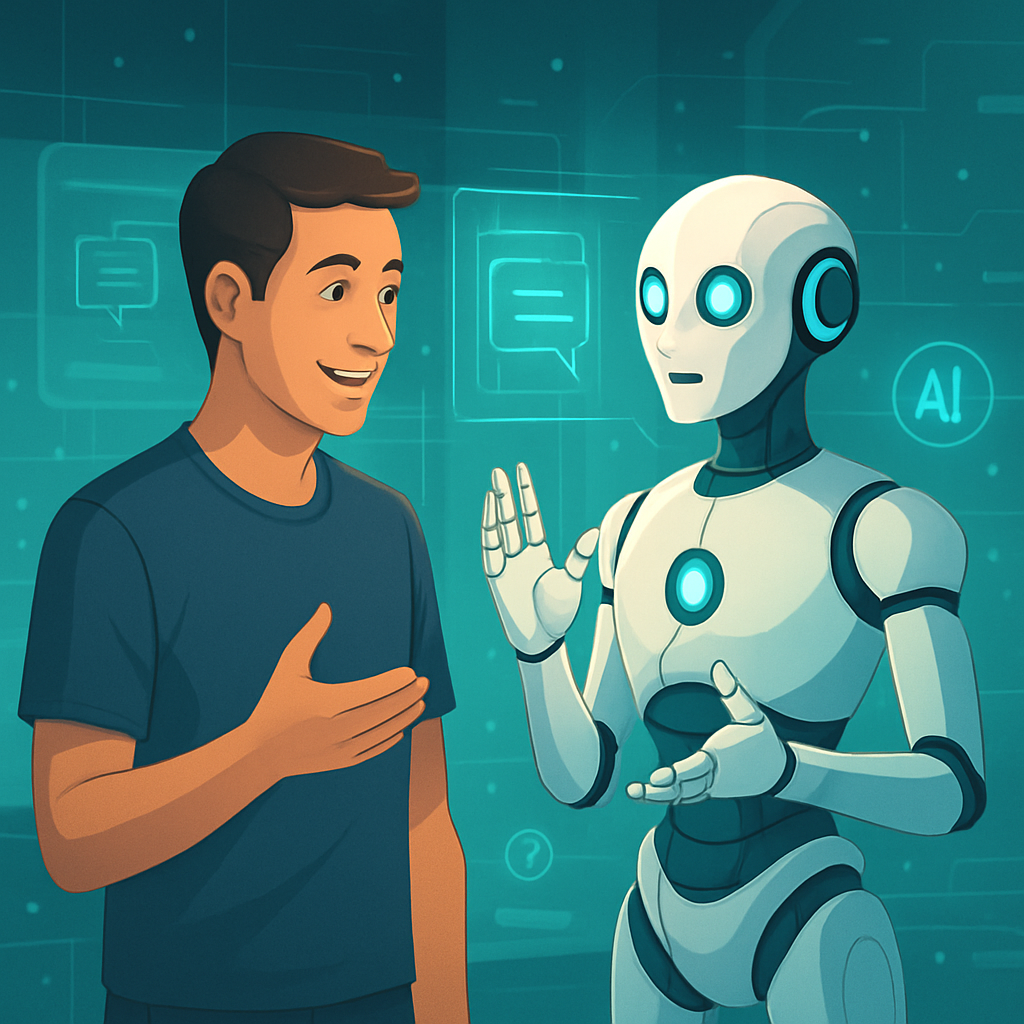
Talking to a robot used to mean pressing buttons or typing exact commands. Today, thanks to Natural Language Processing (NLP), robots can understand what we say, interpret what we mean, and respond in a way that feels natural. From smart home assistants to hospital robots, NLP is quietly reshaping how humans and machines interact every day.
What Is Natural Language Processing and Why Does It Matter?
Natural Language Processing, commonly known as NLP, is a branch of technology that helps machines understand human speech and text. It gives computers and robots the ability to read, listen, interpret, and respond to language the way a person would.
Without NLP, robots could only follow rigid, pre-programmed instructions. With it, they can handle real conversations. NLP allows robots to:
- Understand the words you use and the tone behind them
- Figure out the actual meaning of what you are saying
- Respond in a way that makes sense in context
This is a significant shift. Instead of learning how to talk to a machine, the machine learns how to understand you.
From Rigid Commands to Natural Conversations
Earlier, interacting with a robot meant following a strict script. You had to use specific words, press the right buttons, or follow a fixed menu. It was functional but far from natural.
NLP changed that. Today’s robots can listen to what you say, understand the intent behind your words, and give a helpful, natural-sounding reply. Whether you are asking for directions, requesting help with a task, or simply having a casual exchange, the interaction feels much more fluid.
This shift matters because it lowers the barrier for people who are not tech-savvy, including children, elderly users, and people with disabilities, making robots genuinely accessible to everyone.
Real-World Examples of NLP in Action
NLP is not a future concept. It is already working inside tools and systems millions of people use daily. Here are some clear examples:
- Voice Assistants: When you say “Hey Siri” or “OK Google,” NLP processes your request instantly. These assistants can set reminders, answer questions, play music, and carry on short conversations, all through natural speech.
- Customer Service Chatbots: Many companies now use AI-powered chatbots on their websites and apps. These bots use NLP to read customer messages, understand the problem, and provide helpful replies around the clock without needing a human agent.
- Healthcare Robots: Some hospitals have deployed robots that can speak with patients, remind them about medications, and even offer basic emotional support. NLP helps these robots pick up on speech patterns and emotional cues to respond appropriately.
- Education Robots: In classrooms, robots powered by NLP assist students with reading exercises, language learning, and answering subject-related questions. This makes learning more interactive and personalised.
How NLP Makes Robots Smarter and More Useful
NLP does more than just help robots hear words. It improves their overall performance in several important ways:
- Deeper Understanding: Robots grasp not just the words spoken but the meaning and context behind them.
- Natural Responses: Replies sound more human and less robotic, making conversations feel comfortable.
- Emotion Detection: Some advanced NLP systems can identify whether a person sounds happy, frustrated, or upset, allowing the robot to adjust its response accordingly.
- Multilingual Support: Many NLP systems can work across different languages and accents, making robots useful in diverse communities.
- Continuous Learning: Certain robots improve over time by learning from past conversations, becoming more accurate and helpful with each interaction.
| Feature | Before NLP | With NLP |
|---|---|---|
| Interaction Style | Button presses, fixed commands | Natural spoken or written language |
| User Friendliness | Requires technical knowledge | Accessible to all age groups |
| Response Quality | Scripted and limited | Contextual and adaptive |
| Emotion Awareness | None | Possible with advanced NLP models |
What the Future of Human-Robot Interaction Looks Like
NLP is pushing robots beyond simple task execution. In the near future, robots equipped with advanced NLP could become everyday companions that adapt to individual needs. Imagine telling your home assistant, “I am not feeling well,” and it responds by dimming the lights, playing soft music, and suggesting you rest. That kind of context-aware response is already becoming possible.
NLP is also making robots more valuable in elder care and mental wellness support, where emotional sensitivity and clear communication are critical. Robots that can detect stress or sadness in a person’s voice and respond with empathy could provide meaningful support to people who need it most.
Current Challenges NLP Still Needs to Overcome
Despite its progress, NLP is not perfect. Researchers and engineers are still working to solve several challenges:
- Slang and regional accents: Informal speech and strong accents can still confuse NLP systems.
- Background noise: Loud environments can interfere with accurate speech recognition.
- Sarcasm and humour: These are difficult for machines to detect reliably.
- Privacy and data security: Voice-based systems collect sensitive data, raising concerns about how it is stored and used.
The good news is that researchers around the world are actively working on these problems, improving accuracy, speed, and safety with every new development.
NLP has already changed the way we interact with machines, and its impact will only grow. As the technology matures, talking to a robot will feel less like operating a device and more like having a helpful conversation with someone who genuinely understands you.