
Large Language Models, widely known as LLMs, are quietly reshaping how engineers approach their daily work. From writing code to reading complex technical reports, these AI systems are helping engineering teams move faster, make fewer errors, and focus on what truly matters — innovation and problem-solving.
What Are Large Language Models and Why Do Engineers Care?
Large Language Models are advanced AI systems trained on massive volumes of text, technical documents, research papers, and programming code. They understand human language and respond in a natural, conversational way.
For engineers, this means they can describe a problem in plain words and receive useful, structured suggestions in return. LLMs act like knowledgeable assistants that are available around the clock and never lose patience with complex queries.
Key reasons engineers are turning to LLMs include:
- Speed: Tasks that once took hours can be completed in minutes.
- Accuracy support: LLMs help catch errors in logic, code, and documentation.
- Accessibility: Engineers without deep expertise in a specific area can still get reliable starting points.
- Scalability: LLMs handle repetitive tasks so teams can scale output without adding headcount.
LLMs in Engineering Design and Planning
During the early stages of a project, engineers spend significant time brainstorming, evaluating options, and drafting design requirements. LLMs speed up this process considerably.
An engineer can describe project goals in simple language, and the model can suggest design approaches, flag potential issues, or recommend industry best practices. This makes early-stage planning more flexible and collaborative, even when team resources are limited.
For example, a mechanical engineer working on a structural component can describe load requirements and material constraints, and an LLM can suggest relevant design considerations or point to standard engineering references worth reviewing.
Coding, Automation, and System Engineering
Software and system engineers have been among the earliest adopters of LLMs in their workflows. These models help with a wide range of coding tasks:
- Writing boilerplate code and scripts quickly
- Explaining error messages and debugging logic
- Suggesting code improvements and refactoring options
- Generating test cases and automating repetitive development steps
This directly reduces development time and lowers the chance of human error in routine coding tasks. Junior engineers benefit especially, as LLMs can explain complex concepts in simple terms and help them learn on the job.
Here is a quick comparison of engineering tasks before and after LLM adoption:
| Engineering Task | Without LLM | With LLM |
|---|---|---|
| Writing documentation | Several hours per document | Draft ready in minutes |
| Debugging code | Manual review, time-consuming | Instant error explanation and fix suggestions |
| Reading technical reports | Hours of reading and note-taking | Summarized in seconds |
| Design brainstorming | Team meetings and research | Instant suggestions based on requirements |
Handling Data, Reports, and Technical Documentation
Engineers regularly deal with large volumes of system logs, compliance reports, research papers, and technical manuals. Reading and extracting key information from these documents is time-consuming and mentally draining.
LLMs can read, summarize, and highlight the most important points from lengthy documents within seconds. This helps engineers stay informed without spending hours on manual reading.
Beyond reading, LLMs also help create documentation. Writing clear technical manuals, user guides, and internal knowledge bases becomes faster when engineers can describe what they want and let the model produce a well-structured first draft. Teams can then review and refine rather than starting from a blank page.
This also benefits onboarding. New engineers can get up to speed faster when documentation is clear, well-organized, and easy to search through.
Responsible Use of LLMs in Engineering
Despite their usefulness, LLMs come with important limitations that engineers must keep in mind. These models can sometimes produce incorrect or outdated information, especially in highly specialized technical domains.
Best practices for responsible LLM use in engineering include:
- Always verify outputs: Treat LLM suggestions as a starting point, not a final answer.
- Protect sensitive data: Avoid sharing confidential project details or proprietary designs with public LLM platforms.
- Maintain human oversight: Critical engineering decisions must always involve qualified human judgment.
- Stay updated: LLM capabilities are improving rapidly, so teams should regularly evaluate which tools best fit their needs.
Human expertise remains central to engineering. LLMs are tools that support engineers, not substitutes for professional knowledge and experience.
What the Future Holds for LLMs in Engineering
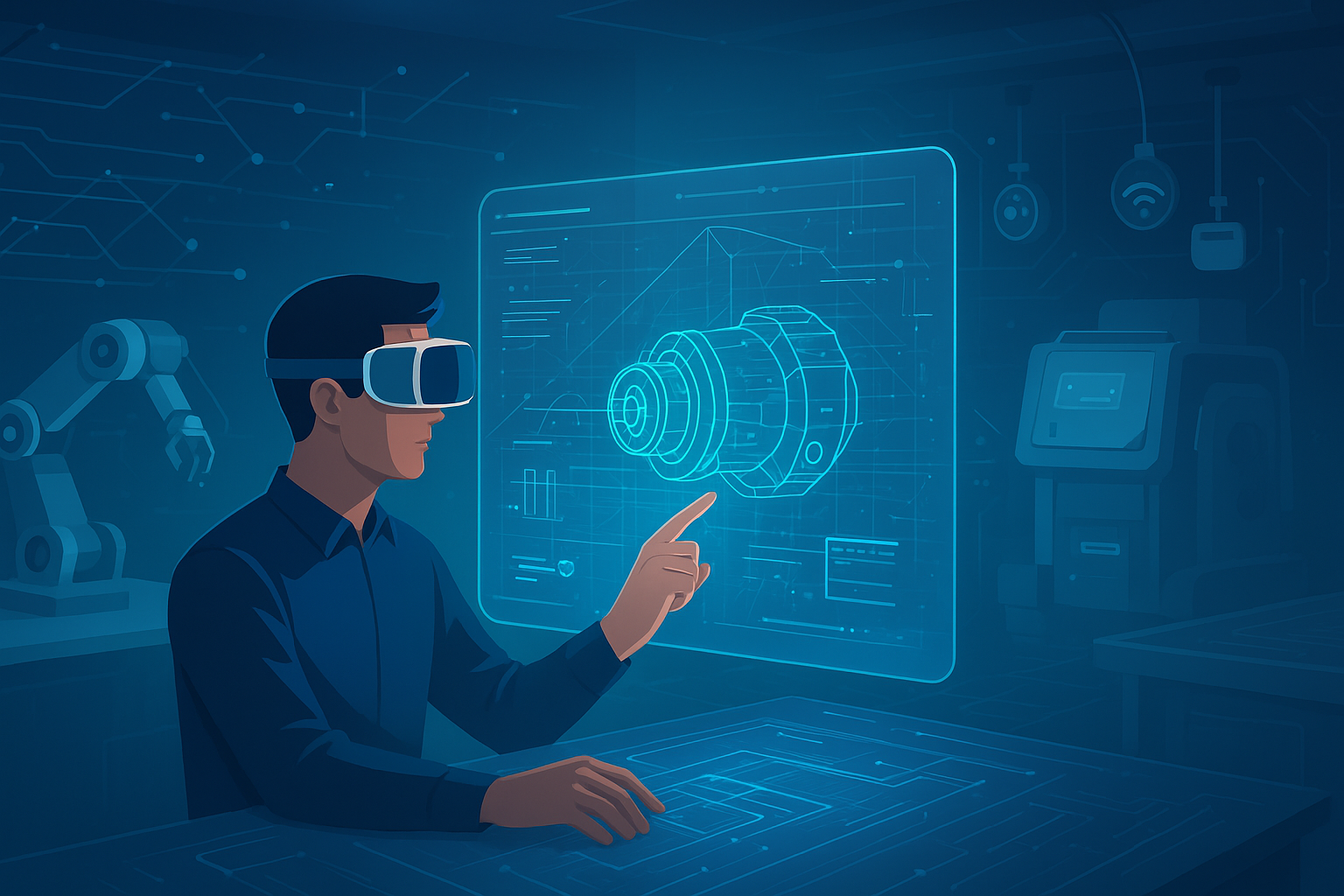
As these models become more specialized, we can expect LLMs trained specifically for civil engineering, electrical systems, aerospace, chemical processes, and other domains. Integration with simulation software, CAD tools, and digital twin platforms will make LLMs even more embedded in engineering workflows.
Engineers who learn to work effectively alongside these tools will have a clear advantage in productivity and problem-solving capability. The goal is not to replace engineers but to give them better instruments to do their work.
In conclusion, Large Language Models are becoming a practical and valuable part of modern engineering. By handling routine tasks, supporting design thinking, and making information more accessible, LLMs help engineers focus on creativity, safety, and innovation. Teams that adopt these tools thoughtfully — with proper checks and responsible practices — stand to gain significantly in efficiency and output quality.