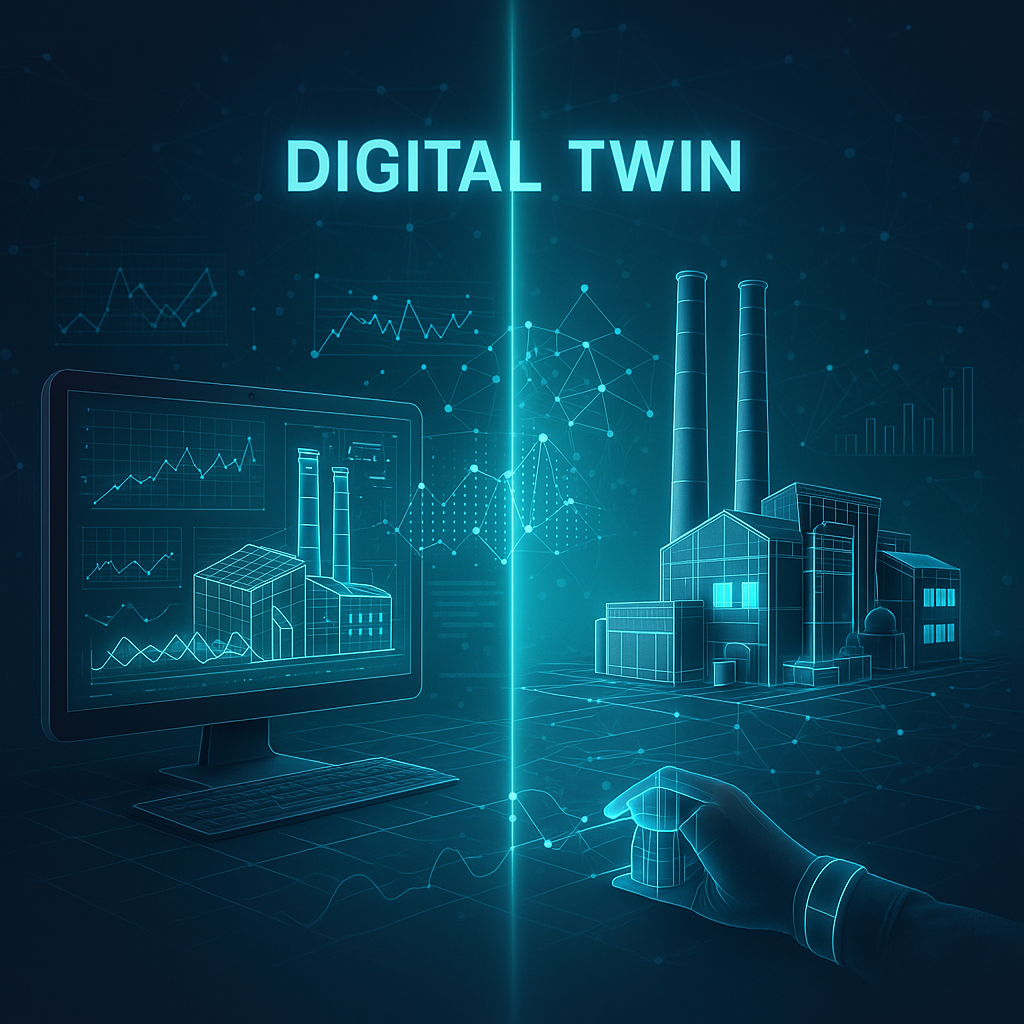
Digital twins are changing the way engineers, planners, and designers work. By creating virtual replicas of real-world systems, these computer models allow teams to test ideas, monitor performance, and predict problems — all without touching the actual physical object. From factories to smart cities, digital twins are becoming a core part of how modern systems are built and managed.
What Is a Digital Twin?
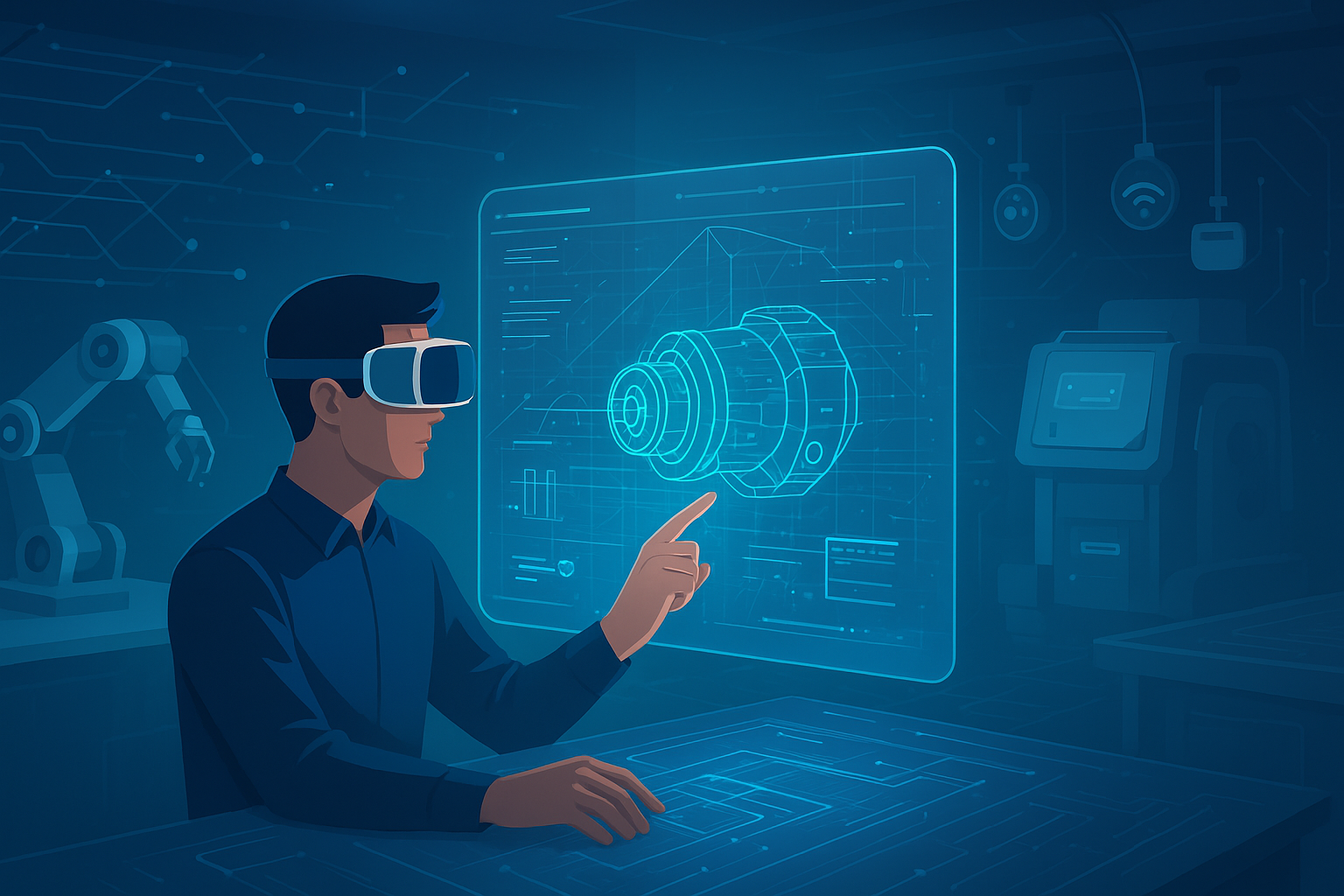
A digital twin is a virtual model of a real object, machine, or system. It is built using live data collected from sensors and other connected inputs, giving an accurate, real-time picture of how the physical item is performing.
Think of it as a constantly updated digital mirror. Engineers and operators can interact with this mirror to understand what is happening inside a system at any given moment. A digital twin allows teams to:
- Monitor how a system is performing in real time
- Identify when maintenance or repairs are needed
- Test new features or configurations without any real-world risk
- Plan upgrades based on actual data rather than guesswork
Unlike traditional simulations, digital twins stay connected to their physical counterparts throughout the system’s life. This continuous connection makes them far more useful for ongoing management and improvement.
How Digital Twins Improve the Design Process
One of the biggest advantages of digital twins is how they speed up and sharpen the design process. Here is how they make a difference at each stage:
- Faster prototyping: Instead of building multiple physical prototypes, designers can test different ideas virtually. This saves both time and money during early development stages.
- Real-time performance data: Engineers can connect a digital twin to a live system and watch how it behaves under different conditions. This gives them the information they need to fine-tune performance quickly.
- Predictive maintenance: By analysing patterns in the data, digital twins can forecast when a component is likely to fail. Teams can then schedule repairs before a breakdown happens, reducing downtime and unexpected costs.
- Better decision-making: Because digital twins gather and process real data, design teams can see what is working and what is not before making any physical changes. This reduces costly mistakes and improves outcomes.
Industries Where Digital Twins Are Making a Real Difference
Digital twins are already being used across a wide range of sectors. Their ability to simulate complex systems makes them valuable wherever precision and reliability matter.
| Industry | How Digital Twins Are Used |
|---|---|
| Manufacturing | Monitor machines, test upgrades, and reduce production downtime |
| Healthcare | Build digital patient models for personalised treatment planning |
| Aerospace | Simulate flights and manage aircraft maintenance schedules |
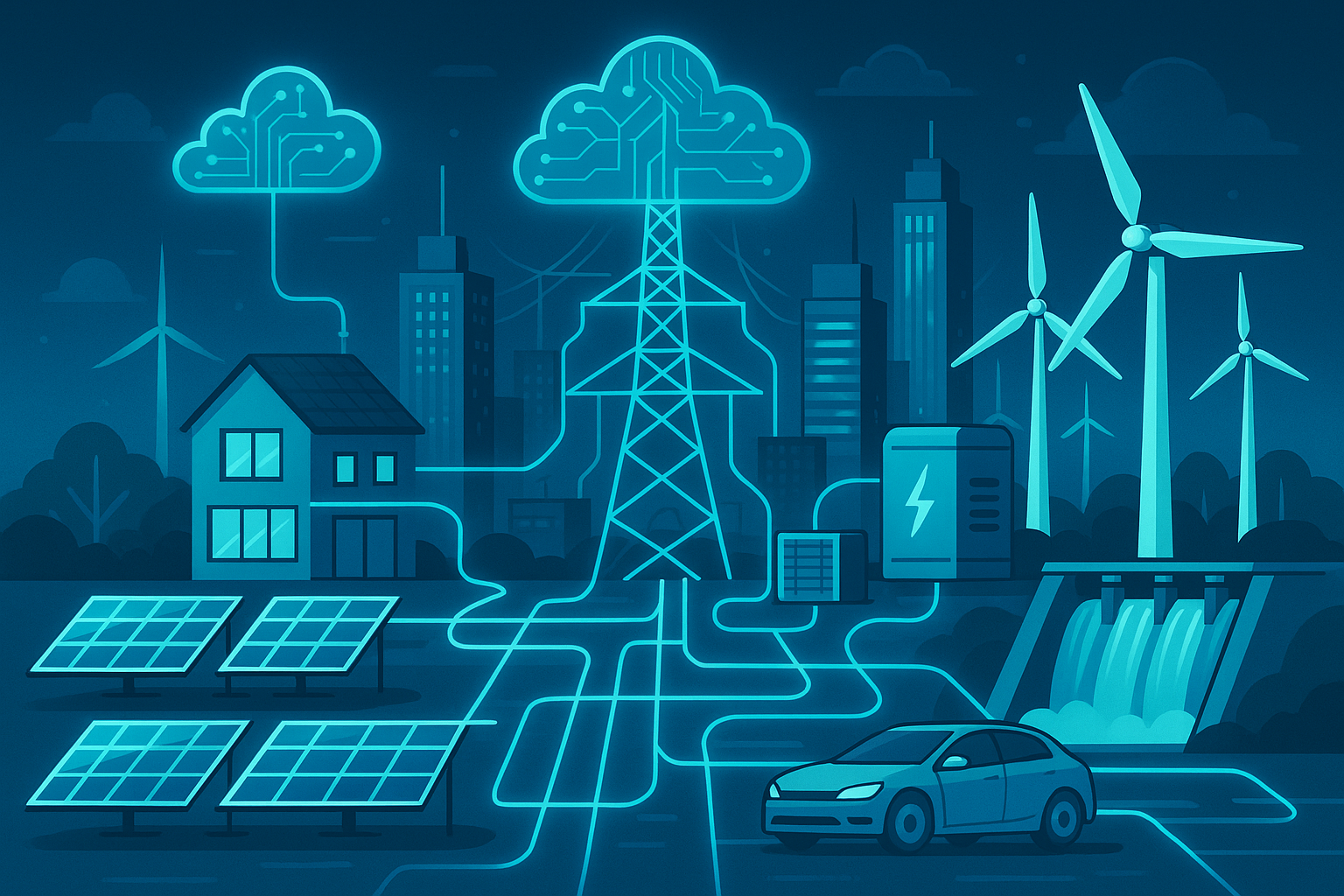
| Smart Cities | Control traffic flow, energy use, and public infrastructure systems |
In manufacturing, digital twins help plant managers spot inefficiencies and test new workflows without halting production. In healthcare, they support doctors in creating treatment plans tailored to individual patients. In aerospace, they allow engineers to simulate stress on aircraft components before any physical testing takes place. In smart cities, they help urban planners manage everything from power grids to traffic signals more efficiently.
The Role of IoT and Emerging Technologies in Digital Twins
Digital twins do not work in isolation. They rely on a network of connected devices and sensors — commonly known as the Internet of Things (IoT) — to collect the data that keeps the virtual model accurate and up to date.
As IoT technology becomes more advanced and widespread, digital twins are becoming more detailed and responsive. Sensors can now capture temperature, pressure, vibration, speed, and dozens of other variables in real time, feeding all of this information into the digital model continuously.
Artificial intelligence is also playing a growing role. When combined with AI-driven analysis, digital twins can not only detect problems early but also suggest or even implement solutions automatically. This level of automation is particularly useful in large-scale systems where human monitoring alone would be impractical.
What the Future Holds for Digital Twin Technology
The potential of digital twins is still being explored. As computing power grows and sensor technology becomes cheaper and more accurate, these virtual models will become even more detailed and capable.
In the near future, we can expect digital twins to:
- Operate with greater autonomy, identifying and resolving issues without human input
- Cover entire supply chains, not just individual machines or buildings
- Be used more widely in education and training, allowing professionals to practise on virtual systems before working on real ones
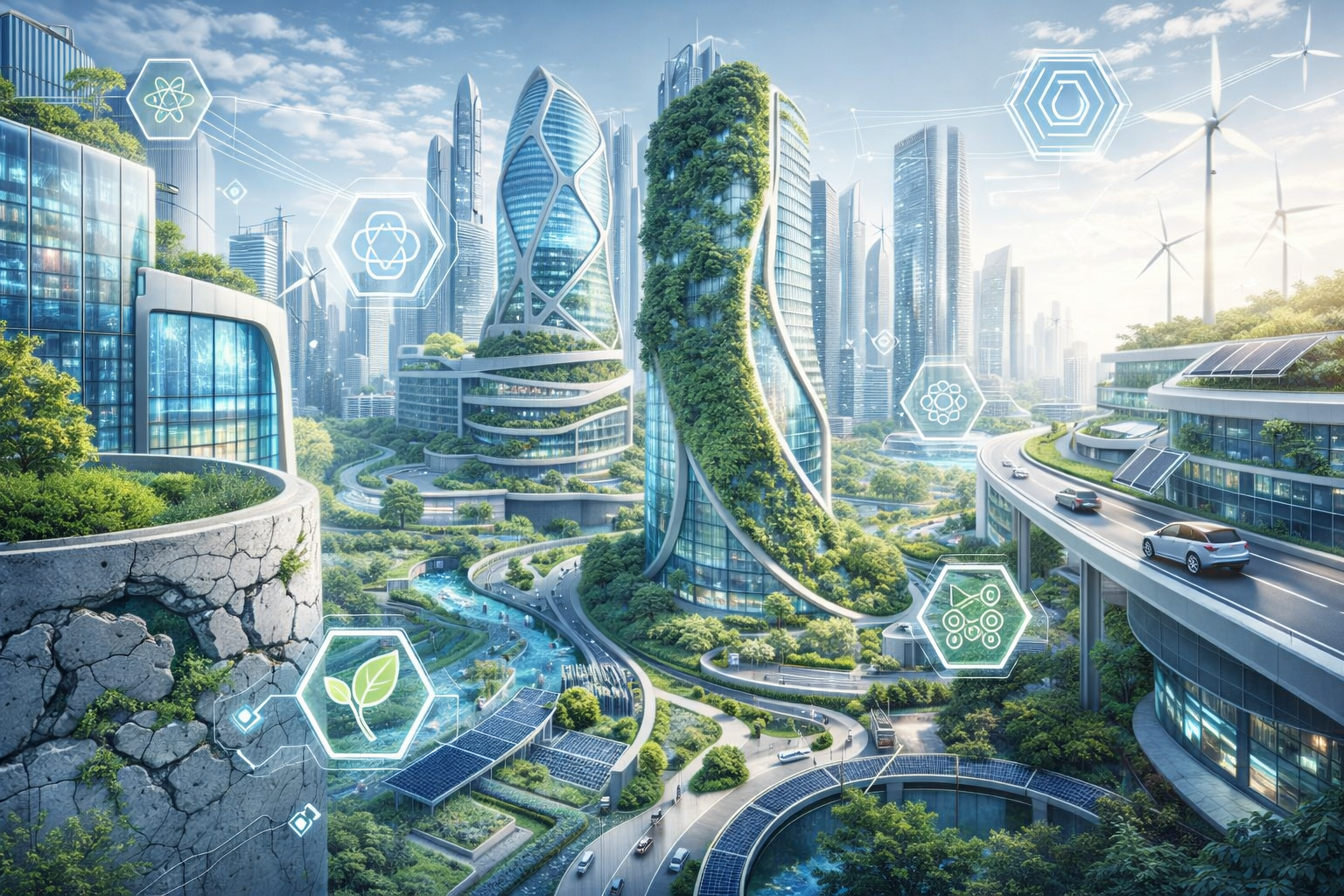
- Support sustainability goals by helping organisations reduce energy waste and carbon emissions through smarter system management
The combination of real-time data, predictive analysis, and virtual testing makes digital twins one of the most practical tools available to engineers and planners today. As adoption grows across industries, they are set to become a standard part of how complex systems are designed, operated, and improved.
In short, digital twins bring together data, simulation, and real-world insight in a way that makes systems safer, smarter, and more efficient — without the cost and risk of traditional trial-and-error approaches.
Frequently Asked Questions
A digital twin is a virtual replica of a real-world object, machine, or system. It is built using live data from sensors and connected devices, allowing engineers to monitor performance, test changes, and predict issues without interacting with the physical system.
Digital twins are used across several industries including manufacturing, healthcare, aerospace, and smart city planning. They help monitor equipment, personalise patient care, simulate flight conditions, and manage urban infrastructure more efficiently.
Digital twins reduce costs by replacing multiple physical prototypes with virtual testing, enabling predictive maintenance that prevents expensive breakdowns, and helping teams make data-driven design decisions before any physical changes are made.