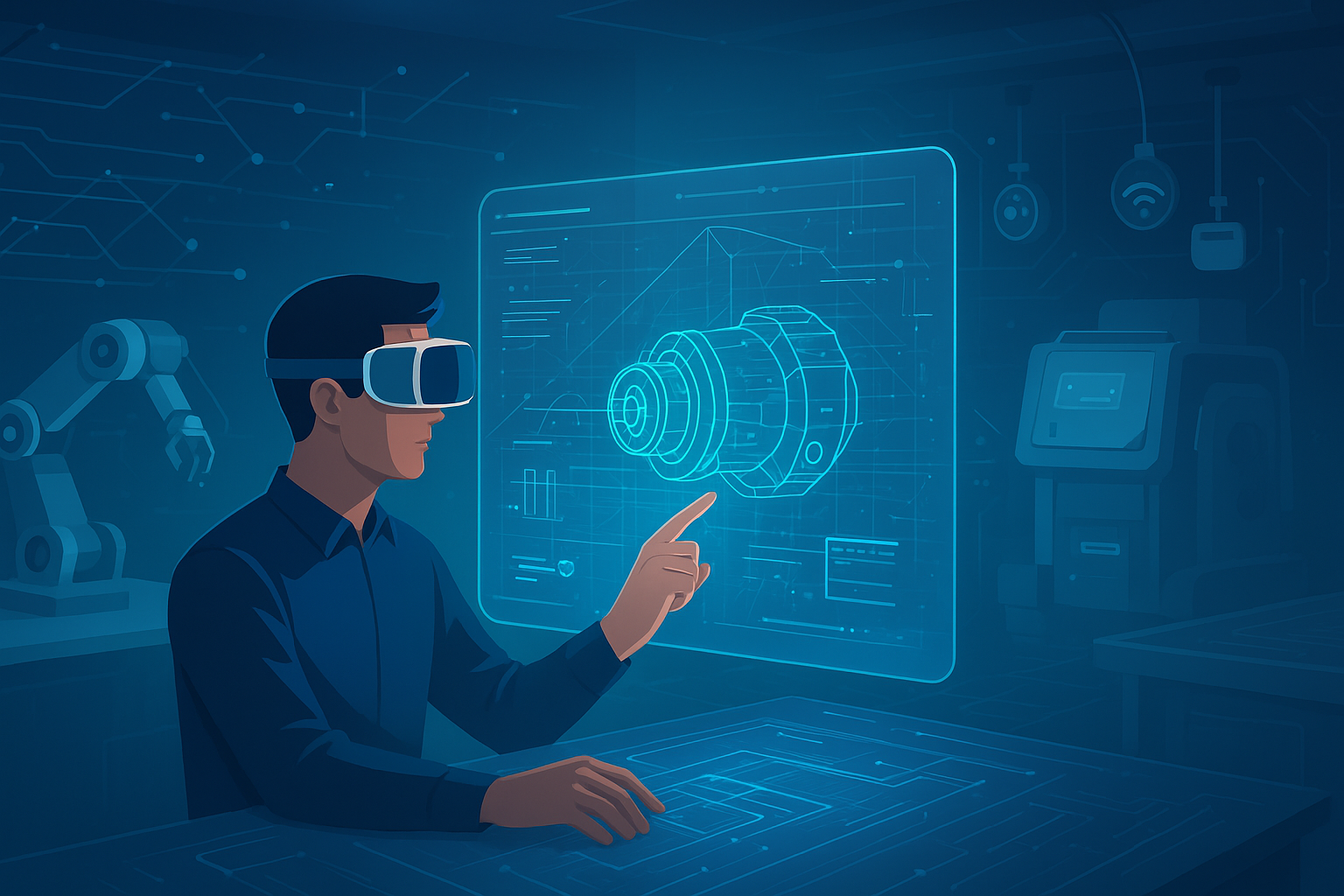

Software development is going through a significant shift. Agentic AI — a type of artificial intelligence that can think, decide, and act on its own — is changing how developers write code, test applications, and maintain software systems. Unlike traditional AI tools that simply assist, agentic AI takes initiative and completes tasks with minimal human input.
What Is Agentic AI and Why Does It Matter?
Agentic AI is designed to work like an independent agent. It reads project requirements, understands the goals, and executes the necessary steps without waiting for constant instructions. This makes it fundamentally different from earlier AI coding assistants that only responded to prompts.
In software development, this means the AI can:
- Analyse a codebase and identify what needs to be done
- Write, review, and improve code independently
- Detect bugs and apply fixes without human intervention
- Monitor live applications and respond to issues in real time
This level of autonomy is what makes agentic AI a major development in the tech industry right now.
Automated Code Creation and Intelligent Code Review
One of the biggest time drains for developers is writing repetitive, boilerplate code. Agentic AI can generate large sections of functional code from simple instructions or design sketches. More importantly, it does not stop at generation — it also reviews the output to catch bugs, identify performance bottlenecks, and flag potential security vulnerabilities.
The result is cleaner, more secure code delivered faster. Developers no longer need to spend hours on manual code reviews for routine tasks. The AI handles the groundwork, while human developers focus on architecture and logic.
Smarter Testing and Faster Debugging
Testing is traditionally one of the most time-consuming phases of software development. Agentic AI changes this by creating and running test cases automatically. It can identify problems before they reach users, trace the root cause of bugs, and apply fixes immediately.
This has a direct impact on project timelines and software quality:
- Fewer bugs make it to production environments
- Testing cycles are shorter and more thorough
- Debugging becomes a faster, more systematic process
- Teams can ship updates with greater confidence
For companies working on tight deadlines, this kind of automated testing support can be a significant advantage.
Faster Deployment and Continuous Maintenance
Deploying software updates used to require careful manual oversight. Agentic AI can now manage deployment pipelines, push updates automatically, and roll back changes if something goes wrong. This reduces the risk of human error during critical release windows.
Beyond deployment, these AI agents also monitor applications in real time. They track performance metrics, detect anomalies, and make adjustments to keep systems running smoothly. This kind of continuous maintenance reduces downtime and keeps user experiences consistent.
| Development Task | Traditional Approach | With Agentic AI |
|---|---|---|
| Code Writing | Manual by developers | Auto-generated from instructions |
| Bug Detection | Manual testing and review | Automated identification and fix |
| Deployment | Supervised manual rollout | Autonomous pipeline management |
| Maintenance | Reactive and scheduled | Real-time monitoring and adjustment |
Impact on Developer Productivity and Team Dynamics
By taking over routine and repetitive tasks, agentic AI gives developers more time to focus on creative problem-solving, system design, and innovation. This shift makes development work more engaging and reduces burnout caused by tedious manual tasks.
Teams that adopt agentic AI tools are likely to deliver software faster, with fewer errors, and at a lower operational cost. For businesses, this translates to quicker time-to-market and better product quality.
Key Challenges and Considerations
Agentic AI brings real benefits, but it also comes with responsibilities that organisations must address carefully:
- Security and data privacy: AI agents that handle sensitive codebases or user data must be configured with strict access controls and privacy safeguards.
- Integration with existing workflows: Fitting agentic AI into current development processes requires planning, training, and sometimes significant changes to tooling.
- Human oversight: Fully autonomous systems still need human review at critical decision points to avoid compounding errors.
- Accountability: When AI makes a mistake in production, teams need clear processes to identify what went wrong and who is responsible.
Organisations that address these challenges proactively will be better positioned to benefit from agentic AI without exposing themselves to unnecessary risk.
Agentic AI is steadily reshaping how software is built, tested, and maintained. Companies and development teams that start integrating these tools thoughtfully today will be better prepared for the next phase of software engineering. The technology is not replacing developers — it is giving them stronger tools to do more meaningful work.