Smartwatches and fitness rings have quietly transformed from simple step counters into powerful personal health tools. Today’s wearable devices carry advanced biometric sensors capable of monitoring your heart, sleep, stress, and even blood oxygen — all from your wrist or finger. This shift is changing how millions of people manage their health every day.
From Step Counters to Health Companions
The first generation of fitness trackers had one job: count your steps. That was useful, but limited. Modern wearables like the Apple Watch, Samsung Galaxy Watch, and Oura Ring now go much deeper. They act like mini health assistants that observe what is happening inside your body around the clock.
These devices do not just record activity. They track how your body responds to rest, food, stress, and physical effort. That makes them genuinely useful for people who want to take charge of their health — not just those training for a marathon.
What Are Biometric Sensors and What Do They Measure?
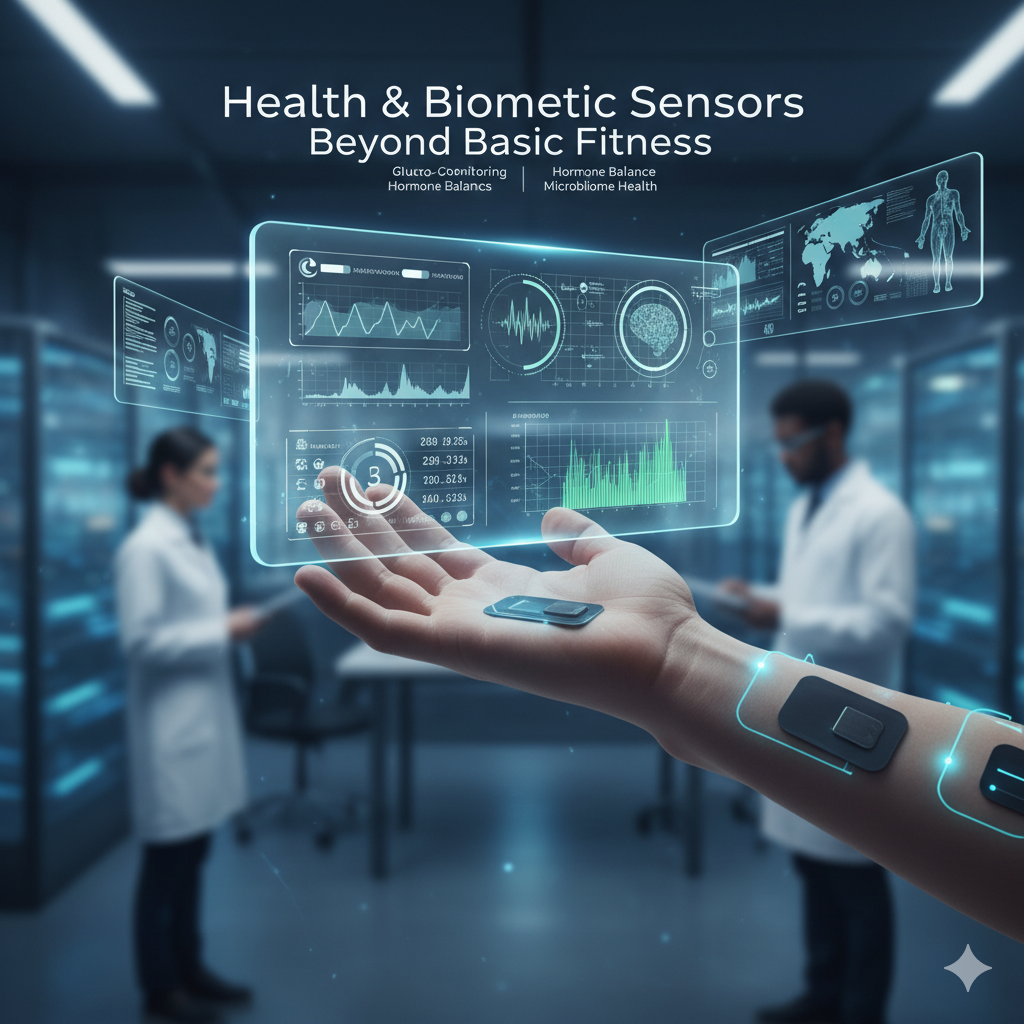
Biometric sensors are built-in tools inside wearables that read physical signals from your body. They collect data that was once only available through hospital equipment or clinical tests. Here is what modern wearable sensors can measure:
- Heart rate and blood oxygen (SpO2): Tracks how well your heart and lungs are working.
- Sleep patterns and breathing rate: Monitors sleep stages and detects disturbances like sleep apnea.
- Body temperature: Helps identify fever, hormonal changes, or illness early.
- Stress levels: Measured through skin conductance and heart rate variability.
- ECG (Electrocardiogram): Detects irregular heart rhythms that could signal serious conditions.
- Blood pressure: Available on select devices, giving real-time cardiovascular data.
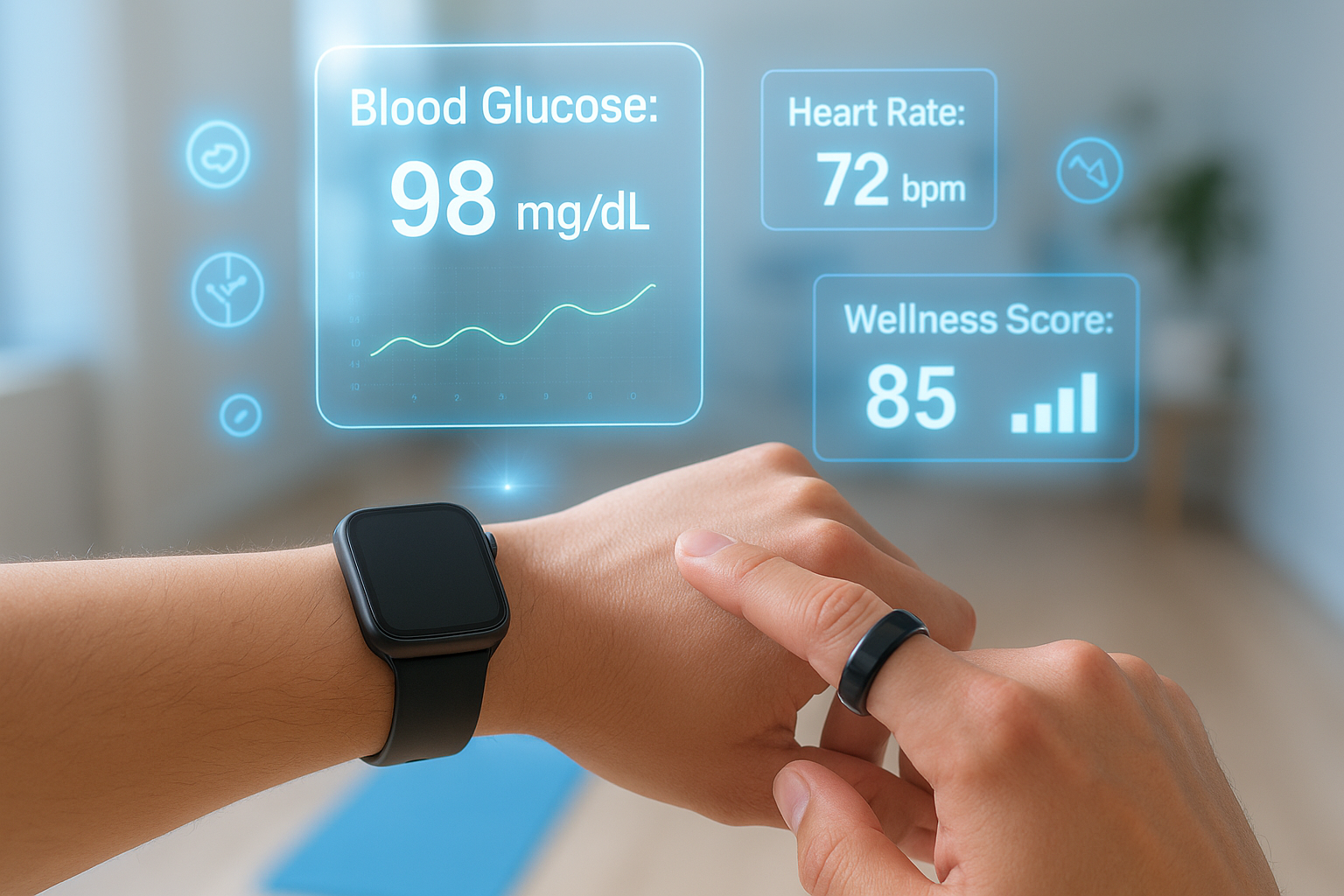
Some next-generation wearables are also working toward non-invasive blood sugar monitoring and hydration tracking — capabilities that were previously only possible with needles or lab equipment.
How These Sensors Actually Work
The technology behind biometric wearables combines light, tiny electrical signals, and smart software to read your body’s signals accurately.
- Optical (light) sensors: Shine light through your skin to measure blood flow and oxygen levels. This is how heart rate and SpO2 are tracked.
- ECG sensors: Use small electrical signals to record your heart’s rhythm and flag irregular beats like atrial fibrillation.
- Skin temperature sensors: Detect changes in surface temperature that may indicate stress, illness, or hormonal shifts.
- Galvanic skin response sensors: Measure sweat activity to estimate stress and emotional responses.
All this raw data is processed using intelligent software that turns numbers into clear, actionable health insights on your phone or watch screen.
Why Biometric Wearables Matter for Everyday Health
These devices are not just for athletes or tech enthusiasts. They offer real value for anyone who wants to stay on top of their health. Here is why they are becoming essential:
- Early health warnings: Detecting a high resting heart rate or irregular rhythm early can prompt timely medical attention.
- Personalised health insights: You can see how your body reacts to specific foods, sleep schedules, or stressful situations.
- Better conversations with doctors: Sharing weeks of accurate health data with your physician leads to more informed diagnoses and treatment plans.
- Round-the-clock monitoring: Unlike a hospital visit, wearables track your health 24 hours a day, seven days a week.
- Preventive care: Catching patterns before they become problems is one of the biggest advantages of continuous monitoring.
| Feature | Basic Fitness Tracker | Advanced Biometric Wearable |
|---|---|---|
| Step Counting | Yes | Yes |
| Heart Rate Monitoring | Basic | Continuous + ECG |
| Sleep Tracking | Limited | Detailed sleep stages |
| Blood Oxygen (SpO2) | Rarely | Yes |
| Stress Detection | No | Yes |
| Non-invasive Glucose | No | In development |
Data Privacy: A Critical Concern for Wearable Users
With great health data comes great responsibility. Biometric wearables collect some of the most sensitive personal information imaginable — your heart rhythm, sleep habits, stress levels, and more. Protecting that data is not optional.
Users should look for brands that use end-to-end encryption and have transparent privacy policies. Before linking your wearable to any third-party app, check whether the platform complies with recognised data protection standards such as GDPR in Europe or HIPAA in the United States. Reading the fine print on how your health data is stored, shared, or sold is an important step that many users skip.
What the Future of Wearable Health Tech Looks Like
The next wave of wearable health sensors is already taking shape. Companies like Apple, Samsung, and Oura are investing heavily in expanding what these devices can detect. Upcoming capabilities being explored include:
- Continuous non-invasive blood glucose monitoring for diabetes management without finger pricks.
- Tracking stress hormones like cortisol through sweat analysis.
- Detecting early signs of illness such as infections or inflammation before symptoms appear.
- More accurate blood pressure monitoring without a cuff.
- Mental health indicators based on physiological patterns.
As sensor accuracy improves and software becomes smarter, wearables will move closer to being genuine medical-grade devices that complement professional healthcare rather than replace it.
Wearables have crossed a clear threshold — they are no longer accessories for fitness enthusiasts. They are becoming everyday health tools for anyone who wants to understand their body better, catch problems early, and make more informed decisions about their wellbeing. The focus has shifted from counting steps to genuinely caring for your health, and that shift is only going to deepen in the years ahead.