
Software development has changed dramatically. Teams ship code faster than ever, relying on cloud services, open-source libraries, and APIs. But speed without security is a risk. That is where DevSecOps comes in — a practice that weaves security into every stage of building software, rather than treating it as a last-minute checklist.
What Is DevSecOps and Why Does It Matter?
DevSecOps stands for Development, Security, and Operations. It is an approach where security is built into the software development process from day one, not bolted on at the end. Every team member — developers, security engineers, and operations staff — shares responsibility for keeping software safe.
Traditional software teams often handed off completed code to a security team for review before release. This created bottlenecks, delayed launches, and made fixing vulnerabilities expensive. DevSecOps changes that by making security checks automatic and continuous throughout the workflow.
With cyber attacks rising, stricter data privacy laws, and growing use of cloud and open-source software, security can no longer be optional. DevSecOps helps organisations build software that is fast, reliable, and secure at the same time.
How DevSecOps Works at Each Stage of Development
DevSecOps integrates security checks at every phase of the software development lifecycle. Here is how it works in practice:
- Planning Stage: Before writing a single line of code, teams identify what data the application will handle, map out possible security risks, and review compliance requirements. Early planning prevents costly problems later.
- Coding Stage: Developers follow secure coding practices and use tools that scan code in real time, detect common vulnerabilities, and alert developers before issues grow. This makes fixing problems faster and cheaper.
- Testing Stage: Automated security tests run alongside regular software tests. Code is scanned for known vulnerabilities, third-party libraries are checked for weaknesses, and applications are tested while running to catch runtime issues.
- Deployment Stage: Before software goes live, server configurations and cloud settings are reviewed, sensitive credentials like passwords are protected, and containers and infrastructure are verified to prevent misconfigurations.
- Monitoring Stage: Security does not stop after launch. Teams monitor logs and system activity, detect threats in real time, and use feedback from incidents to improve future releases. Security becomes a continuous, ongoing process.
DevSecOps vs Traditional Security: A Clear Comparison
Understanding the difference between the old way and the DevSecOps approach helps explain why more organisations are making the switch.
| Traditional Security Method | DevSecOps Method |
|---|---|
| Security checked only at the end | Security built in from the start |
| Manual security reviews | Automated testing throughout |
| Slower software releases | Faster and safer releases |
| Reactive — fix after breach | Preventive — stop issues before they happen |
| Security team works in isolation | All teams collaborate on security |
Key Benefits of Adopting DevSecOps
Organisations that adopt DevSecOps see real, measurable improvements across their software teams:
- Faster development cycles: Automated security tools work in the background without slowing down releases.
- Lower costs: Catching and fixing a vulnerability during development costs far less than addressing it after a product has launched or after a breach has occurred.
- Better team collaboration: Developers, security professionals, and operations teams work together rather than in separate silos, leading to stronger outcomes.
- More trustworthy software: Applications built with security in mind are more stable, less prone to breaches, and earn greater user trust.
- Regulatory compliance: With data privacy laws becoming stricter globally, DevSecOps helps teams meet compliance requirements consistently.
Common Tools Used in a DevSecOps Workflow
A strong DevSecOps setup relies on a range of specialised tools that work quietly in the background. These tools typically handle:
- Automatic scanning of source code for security flaws
- Checking open-source and third-party libraries for known vulnerabilities
- Monitoring cloud environments and container configurations
- Protecting sensitive credentials such as API keys and passwords
- Detecting unusual activity and potential threats in real time
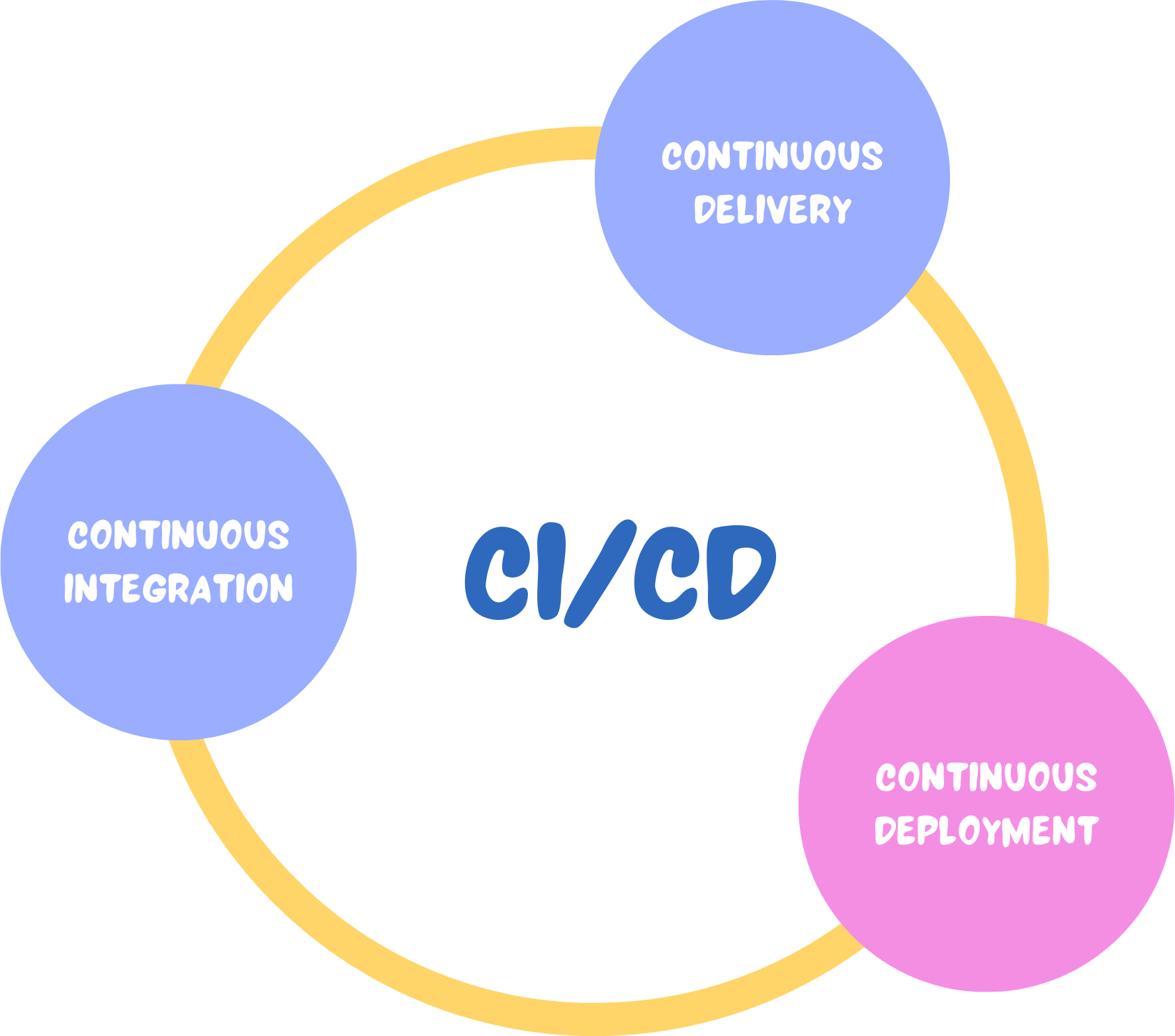
These tools integrate directly into CI/CD pipelines, meaning security checks happen automatically every time new code is submitted or deployed. Teams get instant feedback without needing to run manual audits.
Why DevSecOps Is Growing Rapidly Across the Industry
Several forces are driving the rapid adoption of DevSecOps across software teams worldwide:
- Cyber attacks are increasing in frequency and sophistication, targeting businesses of all sizes.
- Cloud-native and open-source software introduces new attack surfaces that need constant monitoring.
- Data protection regulations such as GDPR and India’s DPDP Act demand stricter security controls.
- Businesses want to release software quickly without compromising on safety or reliability.
Security has moved from being a technical concern to a core business priority. Companies that ignore it face financial penalties, reputational damage, and loss of customer trust.
DevSecOps is not just a trend for large enterprises. Startups, mid-sized companies, and government organisations are all adopting this approach to build safer digital products. For any team building software today, integrating security into the workflow is the most practical and responsible path forward.