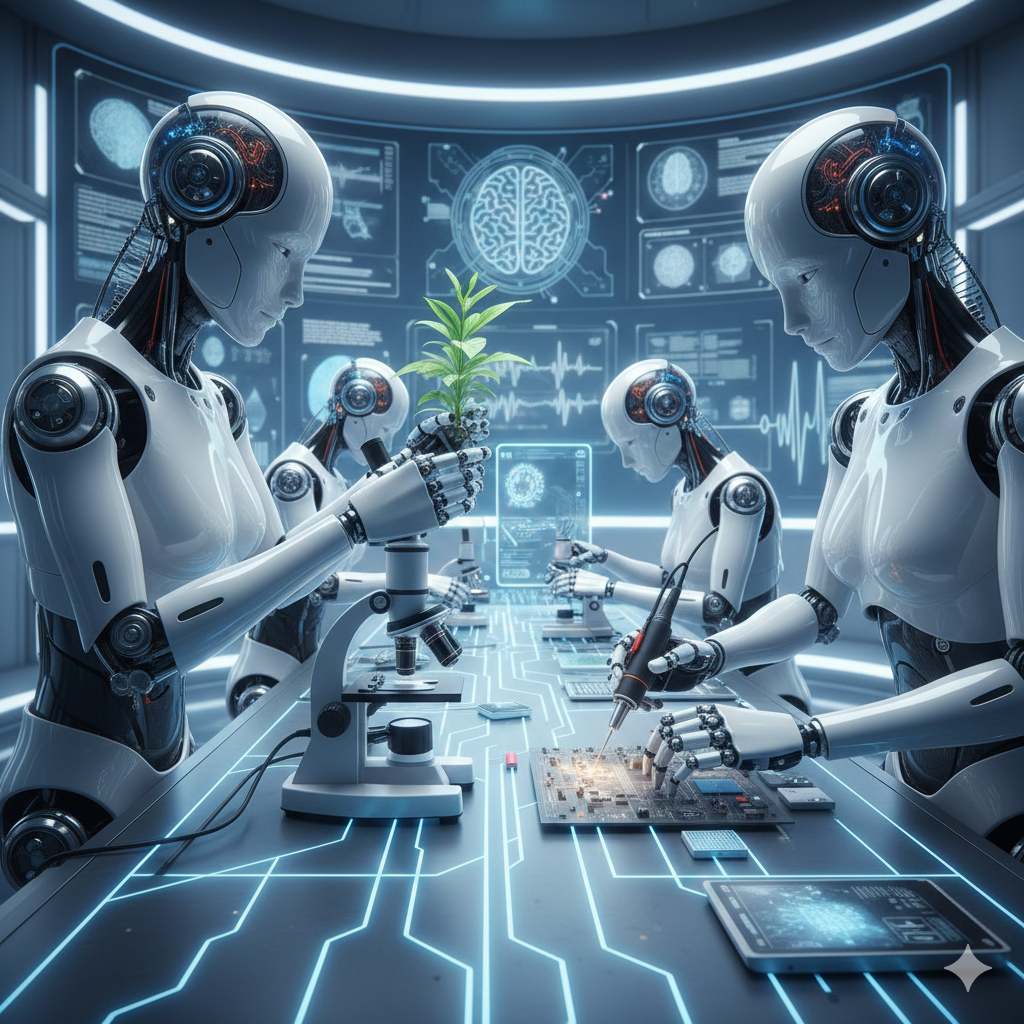
Robots are no longer confined to factory floors running fixed programs. A new approach called Embodied Intelligence is changing how machines learn, move, and make decisions — by giving them the ability to understand the world through physical experience, just like humans do.
What Is Embodied Intelligence?
Embodied Intelligence is the idea that robots and AI systems learn best by using their physical body — not just software or pre-loaded data. Humans learn by touching hot surfaces, stumbling while walking, or figuring out how to grip a slippery object. Robots with embodied intelligence follow a similar path.
These machines use sensors, cameras, motors, and limbs to interact with their surroundings. Every interaction teaches them something new. Over time, they build a richer understanding of the real world than any dataset alone could provide.
This is a significant shift from traditional robotics, where machines followed strict, pre-programmed instructions. Embodied intelligence allows robots to adapt, improve, and respond to situations they have never encountered before.
How Embodied Intelligence Actually Works
The process behind embodied intelligence involves four key elements working together:
- Physical body: Arms, wheels, motors, cameras, and sensors allow the robot to interact with its environment.
- Real-world learning: Instead of relying only on computer-generated data, the robot learns from actual physical actions — picking objects, walking across surfaces, or navigating obstacles.
- Smart decision-making: The robot evaluates what worked and what did not. If it grips an object incorrectly, it adjusts its approach the next time.
- Continuous interaction: The more the robot engages with its environment, the more capable it becomes. Learning never stops.
This cycle of action, feedback, and adjustment is what makes embodied intelligence so powerful compared to traditional machine learning approaches.
Real-World Applications Across Industries
Embodied intelligence is already being applied across several sectors. Here is how it is showing up in everyday life:
| Industry | Application |
|---|---|
| Manufacturing | Robots working safely alongside human workers on assembly lines |
| Healthcare | Robots assisting patients, supporting elderly care, and aiding in rehabilitation |
| Agriculture | Machines picking fruits, spraying crops, and monitoring plant health |
| Logistics and Warehousing | Robots learning to pick items, avoid obstacles, and deliver goods efficiently |
| Transportation | Self-driving cars learning road behaviour, traffic patterns, and weather conditions |
| Construction | Machines navigating complex sites and performing physical tasks autonomously |
| Home Assistance | Robots that clean, arrange items, and support people with daily tasks |
Humanoid robots — machines designed to walk, lift, and operate in human environments — are among the most visible examples of embodied intelligence in action today.
Key Benefits of Embodied Intelligence in Robotics
The advantages of this approach go beyond just making robots smarter. Here is why embodied intelligence matters:
- Robots learn faster through direct interaction with the real world rather than relying solely on simulations.
- They are not limited by pre-set rules, which means they can handle unexpected situations.
- They adapt quickly to new environments, making them more versatile across different tasks.
- They work more safely alongside humans because they can sense and respond to their surroundings in real time.
- They perform tasks with greater accuracy as their experience grows over time.
These qualities make embodied intelligence a strong foundation for the next generation of intelligent machines that can operate in complex, unpredictable environments.
Why Embodied Intelligence Is a Growing Technology Trend
The demand for smarter, more capable robots is rising sharply. Factories want machines that can work beside humans without safety risks. Hospitals need robots that can handle delicate tasks. Farms require machines that can navigate uneven terrain and identify ripe produce.
Traditional rule-based robots struggle in all these settings. Embodied intelligence addresses this gap by giving robots the ability to learn from experience — much like a new employee who gets better at their job over time.
As sensor technology, computing power, and machine learning techniques continue to advance, robots built on embodied intelligence principles are becoming more human-like in their movement, judgment, and adaptability. This is why researchers, technology companies, and industries worldwide are investing heavily in this field.
Embodied intelligence is not a distant concept — it is already shaping automation, robotics, and the future of work across India and globally.
As this technology matures, it will play a central role in making industries faster, safer, and more efficient — while opening new possibilities for how humans and machines work together.