
Engineering projects generate enormous volumes of data every single day — from design drawings and material certificates to sensor readings and supplier records. Keeping all this data accurate, secure, and unaltered across multiple teams and systems is one of the biggest challenges in modern engineering. Blockchain technology is emerging as a practical solution to this problem, offering a transparent and tamper-proof way to manage critical project data.
Why Data Integrity Is Critical in Engineering
Data is the backbone of every engineering project. From the first concept sketch to the final handover, engineers rely on accurate information to make decisions, meet deadlines, and ensure safety.
When dozens of teams, contractors, and suppliers are working on the same project, the risk of data being accidentally changed, lost, or manipulated increases significantly. Even a small error in a design file or material specification can lead to costly delays, rework, or serious safety hazards.
This is why data integrity — the practice of keeping data accurate and protected from unauthorized changes — is not just a technical concern but a project-critical requirement.
What Is Blockchain and How Does It Work?
Blockchain is best understood as a shared digital record book distributed across many computers simultaneously. Every time new information is added, it forms a “block.” Each block is linked to the one before it, creating a chain that makes it nearly impossible to alter or delete past entries without detection.
Unlike traditional databases stored in a single location, blockchain is decentralized. Every participant in the network can view and verify the data independently, without relying on a central authority.
In engineering projects, blockchain can be used to maintain secure records of:
- Design versions and approval histories
- Material certificates and quality test results
- Supplier details and shipment tracking records
- Maintenance logs and equipment performance data
- Contracts and project milestone approvals
How Blockchain Strengthens Data Security in Engineering
Blockchain addresses data integrity challenges in engineering through several key capabilities:
- Time-stamped records: Every change to a document or dataset is logged with a precise timestamp, creating a clear audit trail.
- Tamper-proof storage: Once data is recorded on the blockchain, it cannot be quietly altered or deleted by any single party.
- Transparent access: All authorized stakeholders — engineers, clients, suppliers, and regulators — can verify the latest version of any document in real time.
- Improved trust: Because no single party controls the data, all participants can trust the information they are working with.
This combination of security and transparency directly reduces disputes, prevents duplication of work, and helps projects stay on schedule.
Real-World Applications Across Engineering Sectors
Blockchain is already being explored and applied across several major engineering industries. Here is a quick comparison of how different sectors are using it:
| Sector | Blockchain Application | Key Benefit |
|---|---|---|
| Construction & Infrastructure | Tracking project documents, contracts, and material approvals | Ensures work procedures match approved plans |
| Manufacturing | Full traceability of parts from supplier to final product | Improves quality control and product safety |
| Aerospace & Defense | Securing sensitive design files and enabling cross-border collaboration | Prevents data leaks and unauthorized changes |
| Energy & Power | Tracking renewable energy production, carbon credits, and maintenance records | Increases accountability and regulatory compliance |
Each of these sectors deals with high-stakes data where errors can have serious consequences. Blockchain provides a reliable layer of protection that traditional file-sharing systems simply cannot match.
The Future of Blockchain in Engineering Projects
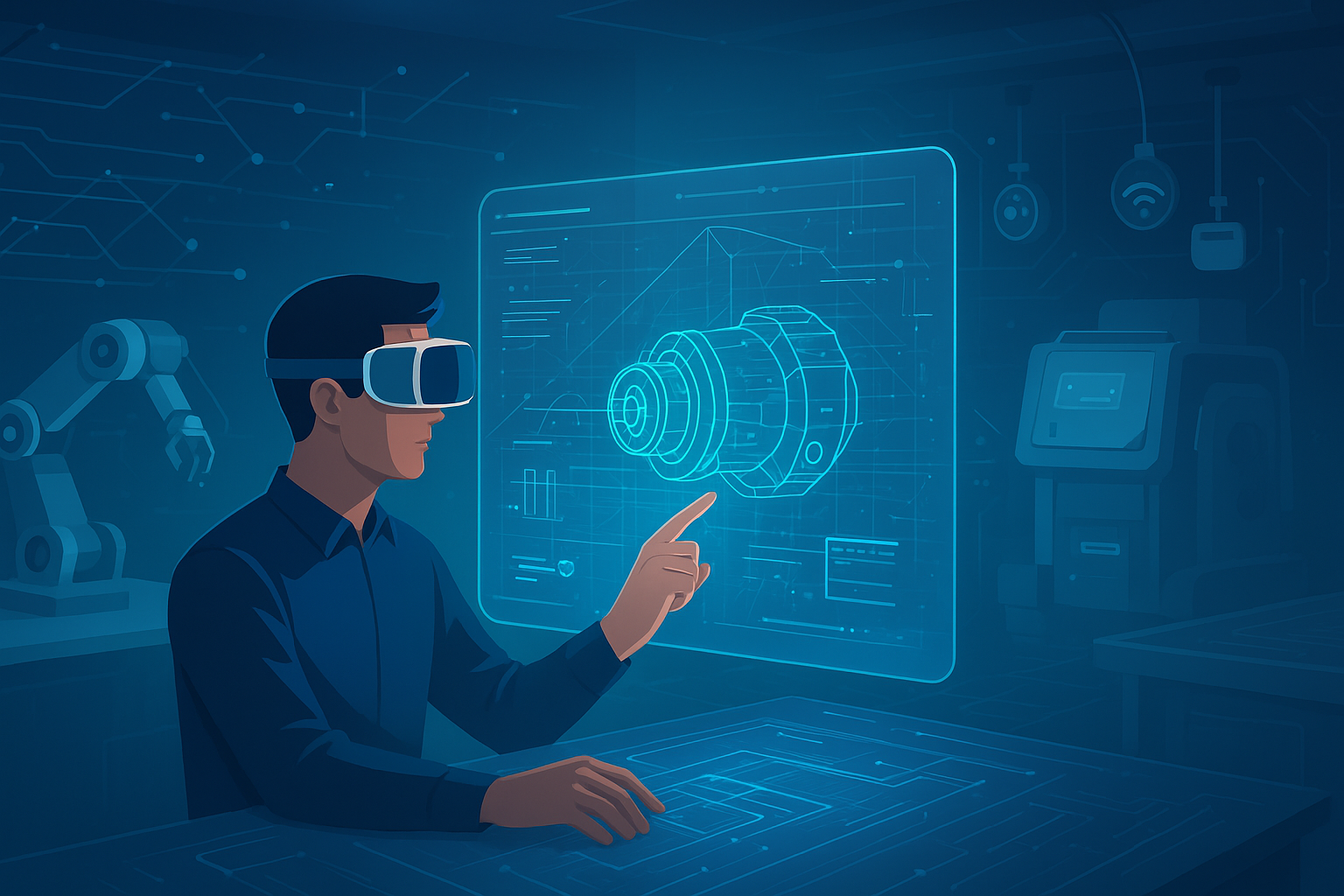
The potential of blockchain in engineering goes well beyond document management. In the near future, blockchain is expected to work alongside technologies like the Internet of Things (IoT), Artificial Intelligence, and Digital Twins to create fully automated, self-verifying project environments.
Imagine a construction site where sensors automatically log equipment performance data onto a blockchain in real time, or a manufacturing plant where every component’s journey from raw material to finished product is permanently recorded and instantly verifiable. These are not distant possibilities — they are already being piloted in advanced engineering environments globally.
As these technologies mature together, engineering projects will become faster, safer, and far more transparent for all parties involved.
Blockchain is no longer just the technology behind cryptocurrencies. It is fast becoming a foundational tool for data security, trust, and collaboration in complex engineering projects across construction, manufacturing, aerospace, and energy sectors. As more organizations recognize its practical value, blockchain adoption in engineering is set to grow steadily in the years ahead.