Biotechnology and genetic engineering are reshaping how we approach medicine, agriculture, and environmental challenges. From producing life-saving insulin to developing pest-resistant crops, these sciences are quietly transforming everyday life. Here is a clear, practical breakdown of what these fields involve, how they work, and why they matter.
What Is Biotechnology and How Does It Work?
Biotechnology uses living organisms — including bacteria, plants, and animals — to develop useful products and solve real-world problems. Scientists harness the natural abilities of these organisms to create medicines, improve food crops, and address environmental issues.
The field works through several core approaches:
- Microorganisms: Bacteria and yeast are used to produce medicines, enzymes, and biofuels.
- Plants and Animals: Crops are modified to resist pests, while livestock are bred for improved output.
- Cell Cultures: Laboratory-grown cells help produce vaccines and hormones at scale.
What Is Genetic Engineering and Its Key Methods?
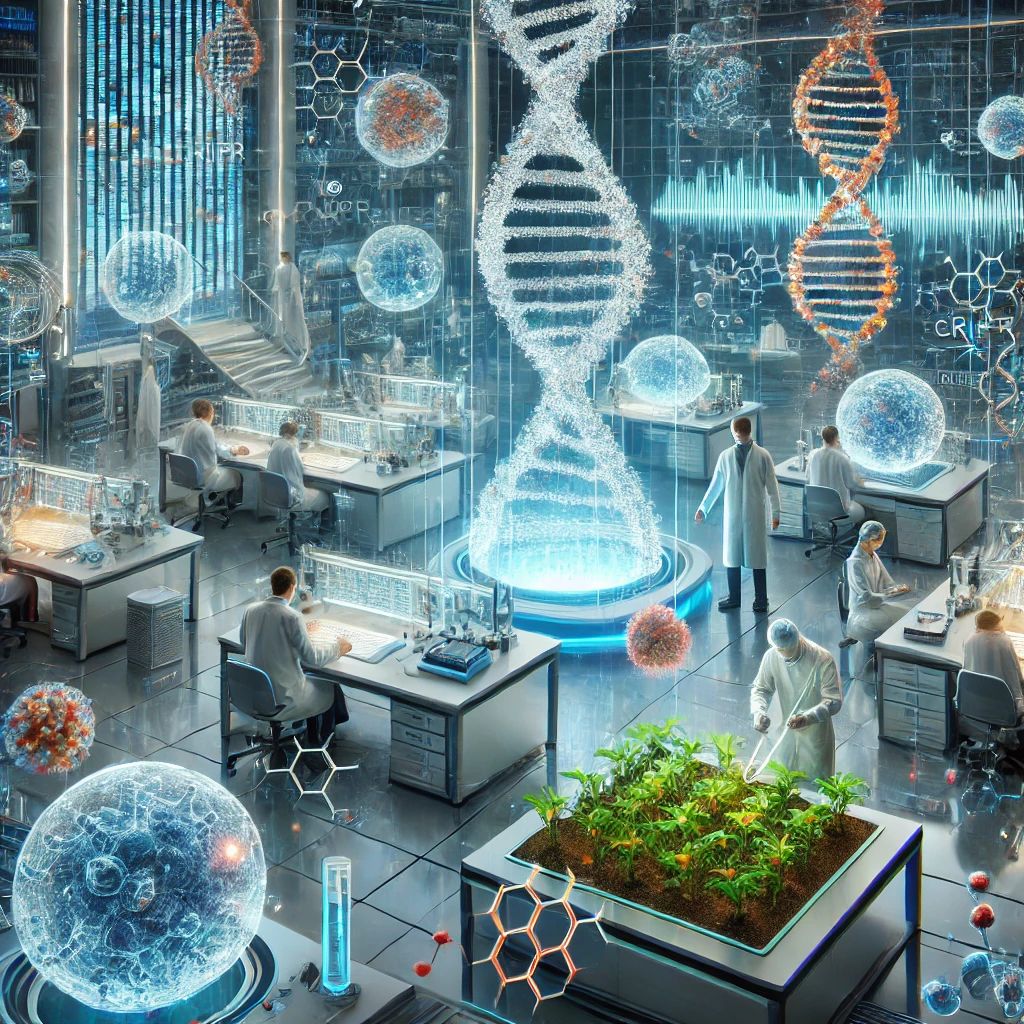
Genetic engineering is a branch of biotechnology focused specifically on altering an organism’s DNA. Scientists can add, remove, or modify genes to give organisms new traits — much like editing a recipe to change the final dish.
The three most widely used methods in genetic engineering are:
- CRISPR-Cas9: A precise gene-editing tool that allows researchers to cut and modify DNA at exact locations. It is used to treat inherited diseases, improve crops, and study gene functions.
- Gene Cloning: This involves creating copies of specific genes to study how they work or to produce proteins used in drug development.
- Transgenic Organisms: These are living things that carry genes from another species inserted into their DNA. They are used to develop pest-resistant crops or to produce medicines.
Major Applications Across Medicine, Agriculture, and Industry
Biotechnology and genetic engineering have found practical uses across several important sectors:
| Sector | Key Applications |
|---|---|
| Medicine | Drug production (insulin, antibiotics), gene therapy, new vaccines |
| Agriculture | Genetically modified crops, biofortification, improved animal breeding |
| Environment | Bioremediation to clean pollutants, biofuels to reduce fossil fuel use |
| Industry | Enzyme production for food and cleaning products, biodegradable biopolymers |
In medicine, engineered microorganisms now produce insulin that millions of diabetics depend on daily. Gene therapy holds the potential to fix faulty genes responsible for inherited conditions. In agriculture, biofortified crops are helping address nutritional deficiencies in food-insecure regions.
Benefits and Ethical Challenges to Consider
The benefits of these technologies are significant:
- Better Health Outcomes: Advanced gene therapies and biotech-produced medicines offer more targeted and effective treatments.
- Stronger Food Security: Modified crops can withstand harsh weather, pests, and disease, helping feed a growing global population.
- Environmental Gains: Bioremediation and biofuels offer cleaner alternatives to conventional industrial processes.
However, these advances also come with serious concerns that cannot be ignored:
- Safety Risks: Ensuring that genetically modified organisms (GMOs) do not harm human health or disrupt ecosystems remains a top priority for regulators worldwide.
- Ethical Questions: Altering genetic material raises moral debates around biodiversity, consent, and the limits of scientific intervention.
- Regulatory Complexity: Governments and international bodies are still working to build clear, consistent frameworks to govern how these technologies are developed and used.
The Road Ahead for Biotechnology and Genetic Engineering
The future of these fields looks promising. Researchers are working on using CRISPR-Cas9 to potentially treat conditions like sickle cell disease and certain cancers. In agriculture, drought-tolerant and nutrient-rich crops could help communities facing climate-related food challenges. Industrial biotechnology is also advancing biodegradable materials that could reduce plastic waste.
At the same time, progress must be matched with careful oversight. Transparent regulation, public awareness, and ethical guidelines will be essential to ensure these technologies benefit society broadly and responsibly.
Biotechnology and genetic engineering are not distant scientific concepts — they are already shaping the medicines we take, the food we eat, and the environment we live in. Understanding them helps citizens, policymakers, and students make informed decisions about their future.