Fitness trackers have come a long way from simply counting steps. In 2026, these wearable devices offer powerful health monitoring tools that help you understand your body, improve your habits, and stay on top of your fitness goals. Whether you are a casual walker or a serious athlete, the right fitness tracker can make a real difference in how you manage your health every day.
Why Fitness Trackers Are More Popular Than Ever
People across India and around the world are paying closer attention to their health. Fitness trackers make it easier to stay informed about how your body performs throughout the day without visiting a clinic or hospital.
These devices collect health data continuously and present it in a simple, readable format through mobile apps. Instead of guessing whether you slept well or moved enough, you get real numbers and trends that help you make better decisions.
Many features that were once limited to medical equipment — such as blood oxygen monitoring and heart rate variability — are now available on affordable wearable devices. This shift has made fitness trackers a practical tool for everyday health management.
Key Features That Determine Accuracy and Value
Not all fitness trackers are equal. Accuracy depends heavily on the quality of sensors and the software behind them. Here are the most important features to evaluate before buying:
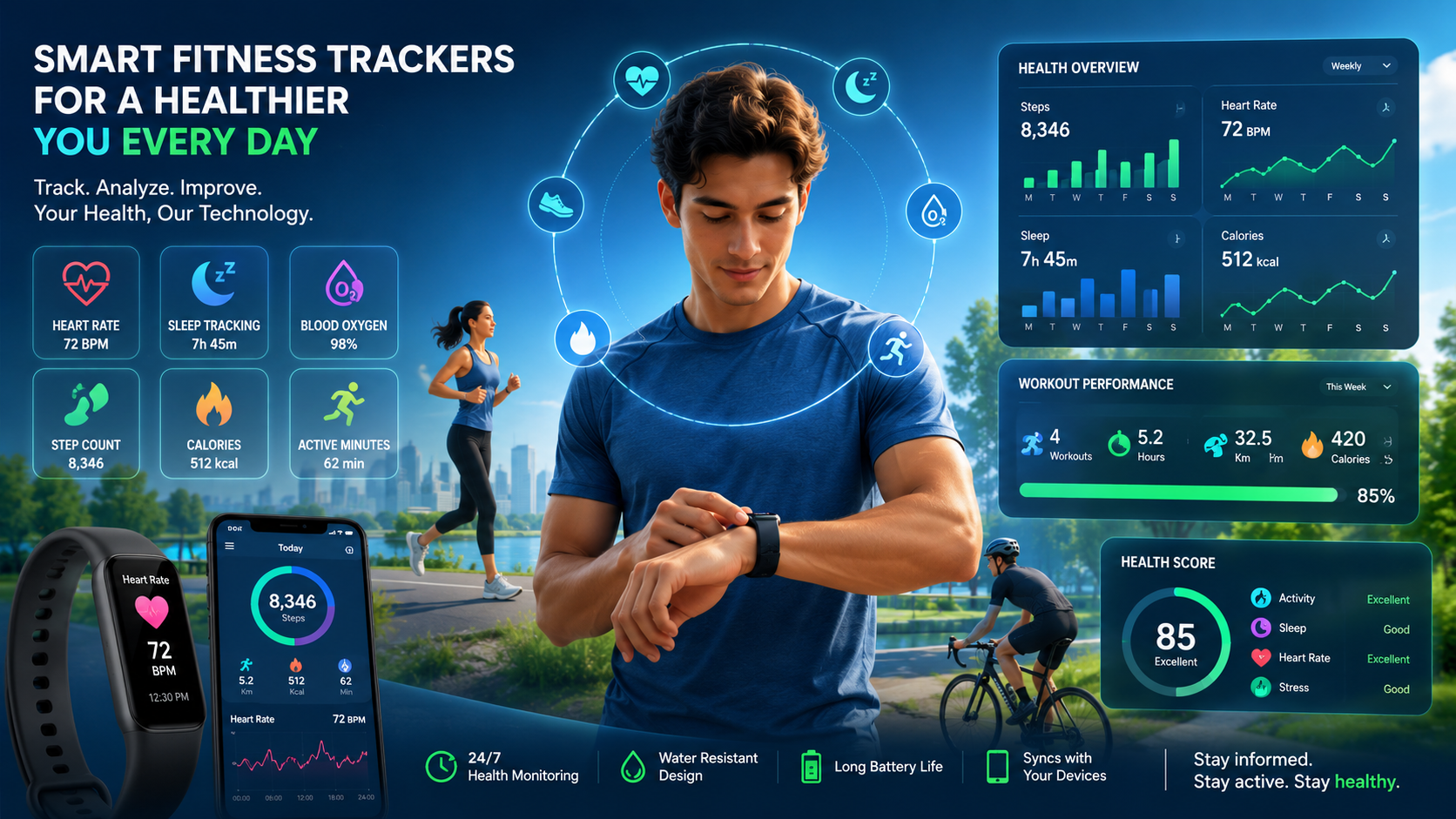
- Heart Rate Monitoring: Continuous heart rate tracking helps you understand how your body responds to exercise, rest, and stress. Premium trackers send real-time alerts and provide detailed cardiovascular insights through their apps.
- Sleep Tracking: Good sleep trackers measure sleep duration, sleep stages, movement, and nighttime interruptions. These insights help you identify habits that affect your sleep quality and recovery.
- Blood Oxygen (SpO2) Monitoring: This feature measures how efficiently oxygen is delivered through your body. It is especially useful for athletes, frequent travelers, and anyone monitoring their general wellness.
- Step and Activity Tracking: Accurate step counting, calorie estimation, distance measurement, and inactivity reminders help you stay motivated and reduce the risks of a sedentary lifestyle.
- Stress Monitoring: Using heart rate variability data, many trackers estimate your stress levels and suggest breathing exercises or relaxation techniques to help you manage daily pressure.
- Built-in GPS: For runners, cyclists, and hikers, built-in GPS tracks routes, pace, and distance without needing a smartphone nearby. This gives more precise workout data for outdoor activities.
Battery Life and Smart Features to Consider
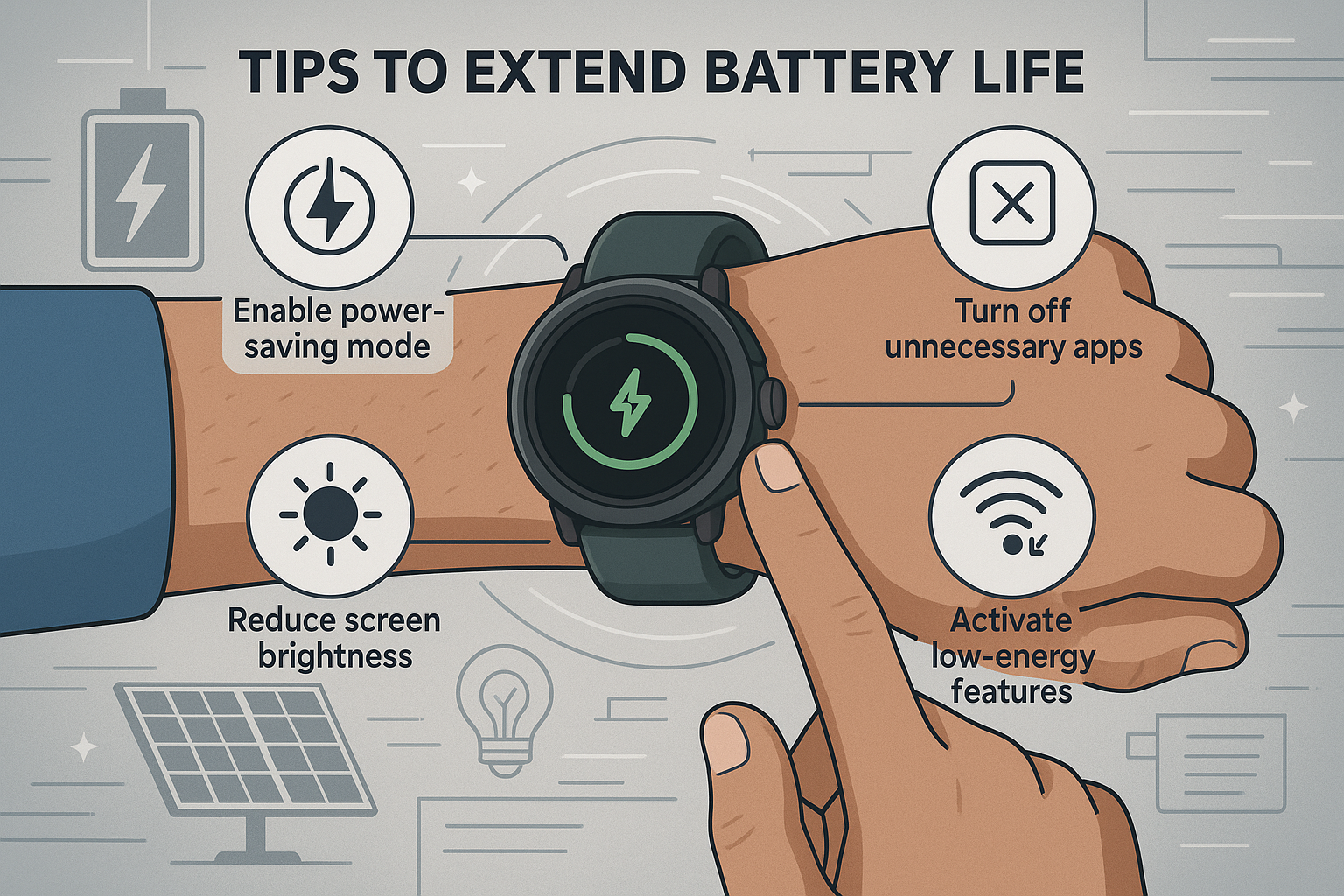
A fitness tracker is only as good as its availability. If the battery dies by afternoon, you miss out on sleep tracking and overnight health data. Look for devices that offer at least five to seven days of battery life on a single charge. Some models last two weeks or more.
Beyond health monitoring, modern fitness trackers also include:
- Smartphone notifications for calls, messages, and apps
- Music controls and contactless payment support
- Weather updates and calendar reminders
- Voice assistant integration
These smart features make fitness trackers useful companions throughout the day, not just during workouts.
Top Brands Leading the Fitness Tracker Market in 2026
Several brands have consistently delivered reliable and accurate fitness trackers. Here is a quick comparison of the leading options:
| Brand | Best For | Key Strength |
|---|---|---|
| Fitbit | Health monitoring and sleep tracking | Detailed wellness insights and long battery life |
| Garmin | Athletes and outdoor enthusiasts | Highly accurate GPS and advanced fitness analytics |
| Apple | iPhone users and health-focused individuals | Deep iOS integration and comprehensive health features |
| Samsung | Android users seeking smart features | Strong health tracking with Galaxy ecosystem support |
| Amazfit | Budget-conscious buyers | Affordable pricing with solid health monitoring features |
How to Choose the Right Fitness Tracker for Your Needs
The best fitness tracker is not always the most expensive one. It is the device that fits your lifestyle, meets your health goals, and provides data you will actually use.
Consider these points before making a purchase:
- If health monitoring is your priority, focus on heart rate accuracy, sleep analysis, and SpO2 tracking.
- If you are an active runner or cyclist, prioritize built-in GPS and workout tracking precision.
- Check app quality and smartphone compatibility — both Android and iOS users should verify support before buying.
- Consider comfort and design, especially if you plan to wear the device all day and night.
- Compare battery life based on your usage pattern and how often you want to charge.
Taking time to match the device to your specific needs will help you get the most value from your investment and keep you motivated over the long term.
As wearable technology continues to advance, fitness trackers will only become more accurate, more capable, and more integrated into everyday health management. Choosing the right one now puts you ahead in taking control of your well-being.