Automation is reshaping the way companies manage logistics and supply chain operations. From smart warehouses packed with robots to AI-driven delivery routes, technology is making the movement of goods faster, more accurate, and more cost-effective than ever before. Here is a closer look at what this shift means for businesses, workers, and customers.
Why Automation Matters in Logistics
Automation in logistics is not simply about replacing human workers with machines. The real goal is to boost productivity, reduce errors, and improve customer satisfaction across the entire supply chain.
- Speed: Robots can pick, sort, and pack orders far faster than manual processes, cutting wait times and getting products to buyers sooner.
- Cost savings: Fewer manual errors and smarter delivery routes reduce spending on labour and fuel.
- Accuracy: Automated inventory tracking and order management systems ensure the right products are stored, picked, and dispatched correctly.
- Scalability: During peak seasons or sudden demand spikes, automated systems can handle higher volumes without the need to hire additional staff.
- Better customer experience: Faster deliveries, live tracking, and fewer mistakes lead to higher customer satisfaction.
Key Technologies Powering Supply Chain Automation
Several technologies are driving this transformation across warehouses, transportation networks, and order management systems.
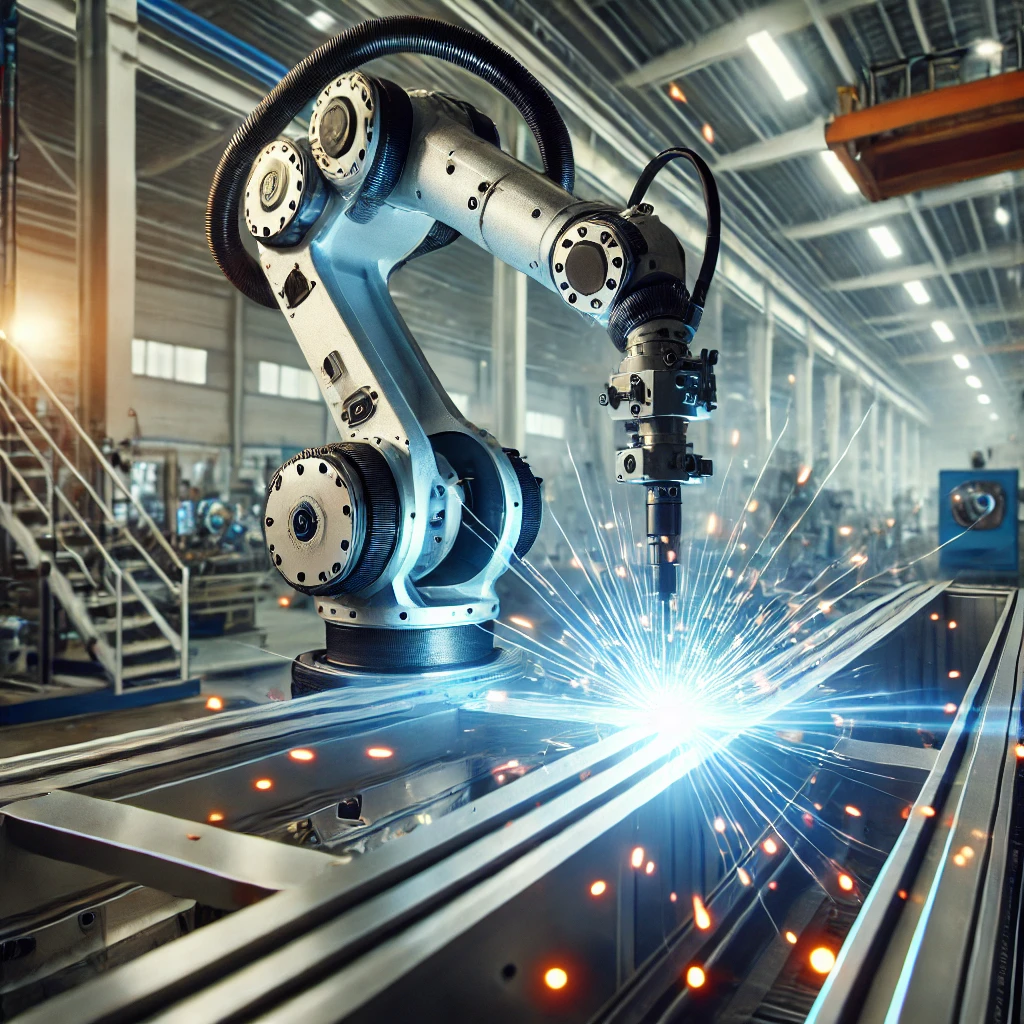
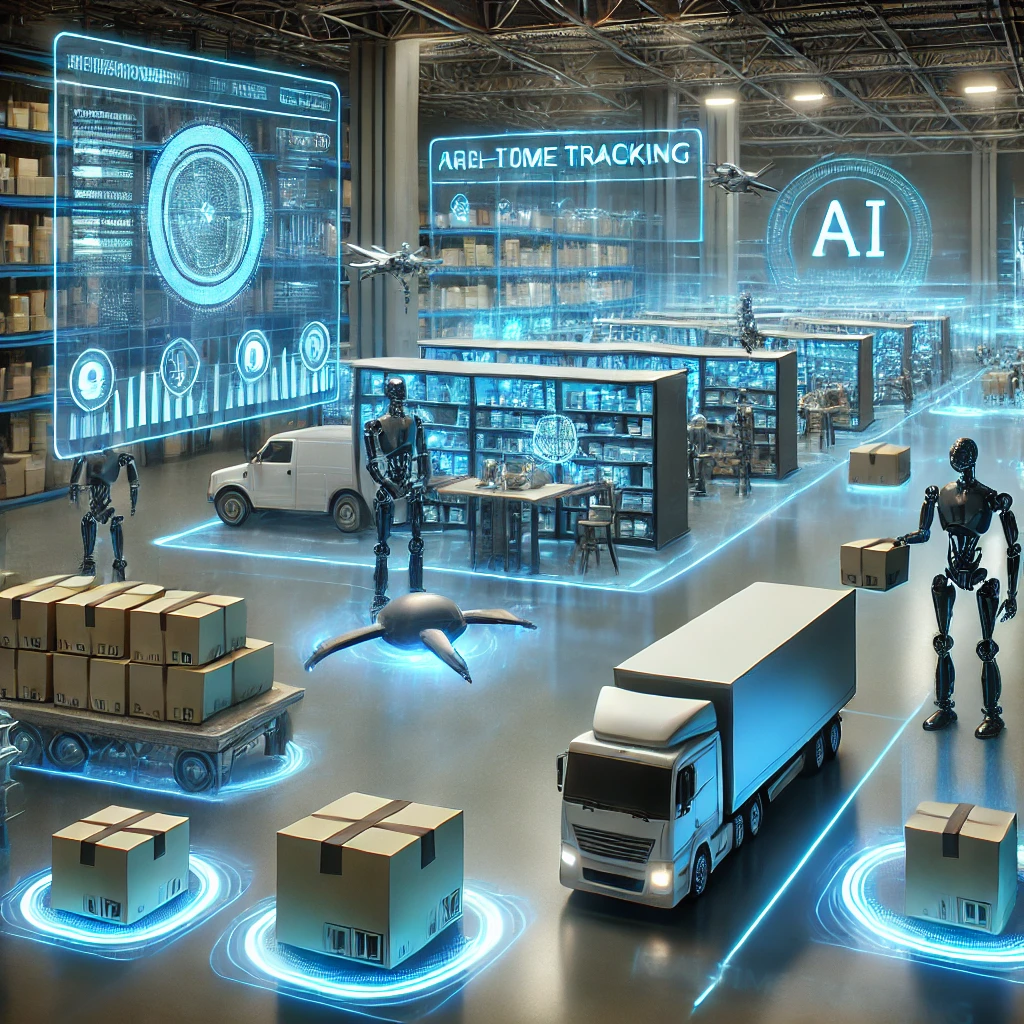
- Warehouse robots and drones: These machines sort, pick, and pack products, significantly reducing the need for manual labour on the warehouse floor.
- Automated Storage and Retrieval Systems (AS/RS): These systems store and retrieve goods with minimal human involvement, making the best use of available warehouse space.
- AI-powered route planning: Artificial intelligence identifies the most efficient delivery routes, saving fuel and reducing transit times.
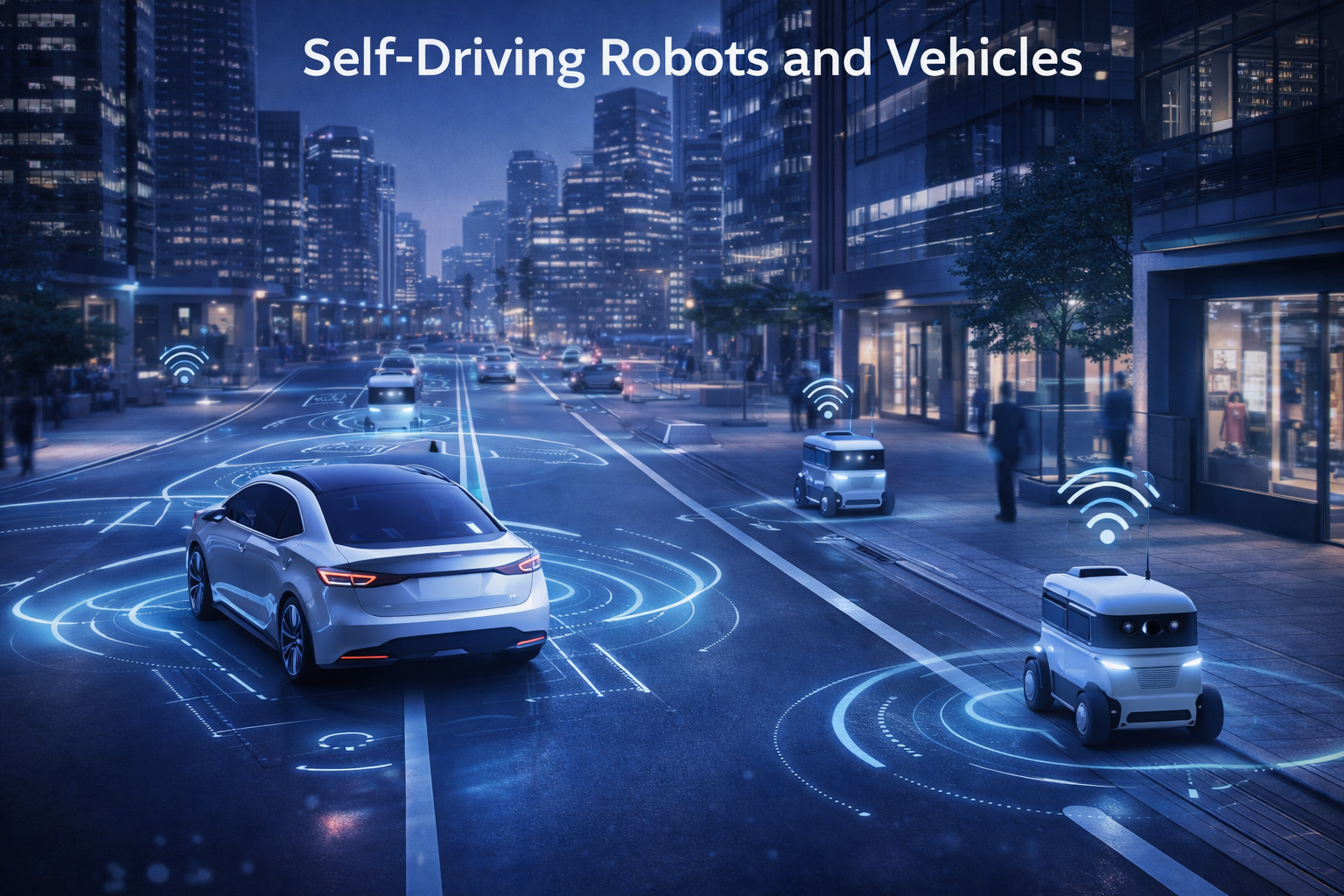
- Self-driving vehicles and delivery drones: Several companies are testing autonomous trucks and drones to improve last-mile delivery, especially in hard-to-reach areas.
- Real-time inventory tracking: Automated systems monitor stock levels continuously and alert businesses when restocking is needed.
- Smart order fulfilment: Robots handle the picking and packing of items, making the shipping process faster and more reliable.
AI and Robotics: Driving Smarter Supply Chains
Artificial intelligence and robotics together are having a major impact on how supply chains operate. AI handles the thinking side — forecasting customer demand, identifying cost-effective routes, and optimising overall supply chain decisions. Robots handle the physical side — carrying out repetitive warehouse tasks with speed and precision.
When combined, these technologies boost speed, accuracy, and overall productivity. Businesses that adopt both AI and robotics are better positioned to respond quickly to market changes and customer demands.
Real-World Examples: Companies Leading the Way
Several global companies are already seeing strong results from logistics automation.
- Amazon: Uses warehouse robots to transport products across its fulfilment centres, dramatically speeding up order processing.
- DHL: Applies AI for intelligent delivery routing, which has helped reduce fuel costs and cut delivery times.
- FedEx: Is actively exploring drone deliveries to speed up shipping in remote and hard-to-reach locations.
| Company | Automation Used | Key Benefit |
|---|---|---|
| Amazon | Warehouse robots | Faster order fulfilment |
| DHL | AI route planning | Lower fuel costs, quicker delivery |
| FedEx | Delivery drones | Improved remote area shipping |
Challenges Businesses Face When Adopting Automation
Despite the clear advantages, automation in logistics does come with real challenges that companies must plan for carefully.
- High upfront investment: Purchasing robots, AI systems, and automated infrastructure requires significant capital expenditure at the start.
- Integration with existing systems: Many businesses struggle to connect new automation tools with their older, traditional logistics processes and software.
- Impact on employment: As machines take over routine tasks, concerns about job losses in certain roles are valid. However, automation also creates new positions that require technical skills, such as system maintenance, data analysis, and robotics management.
Companies that plan their automation strategy carefully — investing in worker retraining and phased technology adoption — tend to manage these challenges more effectively.
Automation is making logistics and supply chains more productive, reliable, and responsive. As technology continues to advance, businesses that embrace these tools will hold a clear competitive advantage. While the challenges are real, the long-term benefits — from cost savings to faster deliveries and happier customers — point strongly toward a smarter and more efficient future for moving goods around the world.