Smart glasses powered by artificial intelligence are no longer a concept from science fiction. They are here, they are improving fast, and more people are wearing them every day. From hands-free navigation to real-time translation, AI smart glasses are quietly changing how we interact with the world around us.
How AI Makes Smart Glasses Actually Useful
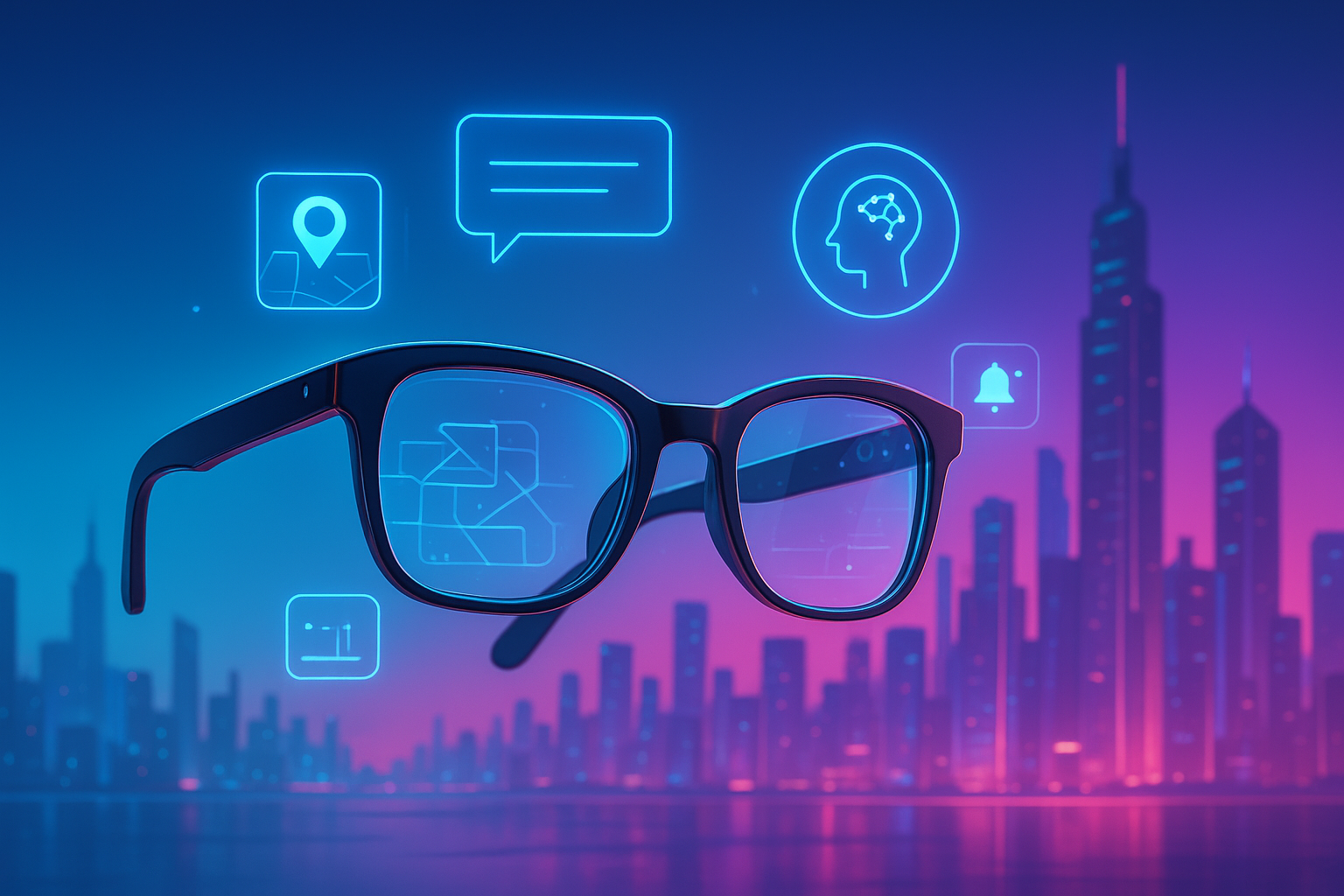
The real power behind modern smart glasses is the AI built into them. Unlike older wearable displays that simply showed information, today’s AI-powered glasses can understand voice commands, identify objects in front of you, and respond with helpful suggestions in real time.
For example, if you are looking at a sign written in a foreign language, the glasses can translate it instantly through the lens. If you ask for directions, an arrow appears overlaid on your actual surroundings, guiding you without ever pulling out your phone. The AI assistant handles tasks that would otherwise require you to stop, unlock your screen, and search manually.
This kind of hands-free, eyes-up interaction is what sets AI smart glasses apart from earlier wearable tech.
Everyday Uses That Make a Real Difference
One of the strongest reasons AI smart glasses are gaining popularity is how naturally they fit into daily life. Users can do all of the following without touching a phone:
- Make and receive calls
- Send and read messages
- Take photos and record videos
- Check notifications at a glance
- Track fitness stats and running routes during workouts
- Get live navigation and language translation while travelling
For fitness enthusiasts, the glasses display real-time performance data directly in their line of sight. For travellers, they act as a personal guide and translator. These practical features make AI smart glasses a genuinely useful companion rather than just a novelty gadget.
Sleeker Design Is Winning Over Everyday Users
Early smart glasses had a major problem: they looked like tech gadgets, not eyewear. Bulky frames and awkward designs made people reluctant to wear them in public. That has changed significantly.
Today’s AI smart glasses are slimmer, lighter, and designed to look like regular eyewear. Manufacturers are investing heavily in aesthetics alongside technology, making frames that people are comfortable wearing at work, at the gym, or while commuting.
Improvements in battery life, display quality, and component miniaturisation have all contributed to a much better wearing experience. This shift in design thinking is a key reason more consumers are willing to try them.
Professional Applications Across Multiple Industries
AI smart glasses are not just for personal use. They are proving to be valuable tools across several professional fields:
| Industry | How Smart Glasses Are Used |
|---|---|
| Healthcare | Doctors access patient data during procedures without leaving the sterile field |
| Retail | Staff check inventory and product details hands-free on the shop floor |
| Field Services | Technicians view repair tutorials and digital diagrams while working |
| Logistics | Workers scan and track packages without handheld devices |
In each of these settings, real-time information delivered directly to the worker’s field of vision helps reduce errors and improve efficiency. The hands-free advantage alone makes AI smart glasses a compelling investment for businesses.
Why the Mainstream Moment Is Happening Now
Several factors are coming together to push AI smart glasses into the mainstream right now:
- Falling prices: As production scales up and components become cheaper, smart glasses are becoming more affordable for average consumers.
- Smarter AI: Advances in generative AI mean the glasses respond faster, understand context better, and require less manual input from users.
- Wearable tech adoption: Smartwatches and fitness bands have already made people comfortable with wearing technology. Smart glasses are a natural next step.
- Increased competition: Major technology companies are racing to release the best model, which is driving rapid improvements and competitive pricing.
Together, these trends are creating the right conditions for AI smart glasses to move from early adopters to everyday users.
What the Next Generation of Smart Glasses Could Look Like
The current generation of AI smart glasses is impressive, but the next wave of products is expected to go further. Anticipated improvements include:
- More precise augmented reality overlays on real-world objects
- Better gesture controls that reduce reliance on voice commands
- Longer battery life for all-day use
- Stronger privacy and data security features
Some industry observers believe that as these improvements arrive, smart glasses could gradually take over certain functions currently handled by smartphones, offering a more natural and less screen-dependent way to stay connected.
AI-powered smart glasses have moved well past the concept stage. With smarter features, better designs, and growing real-world applications, they are becoming a practical part of daily life for more people. Whether for personal convenience or professional productivity, these wearables are shaping up to be one of the most significant tech shifts of this decade.