
Artificial Intelligence has quietly moved from research labs into the devices sitting on your kitchen counter, strapped to your wrist, and resting in your pocket. In 2026, AI is no longer a premium feature reserved for flagship products. It is a standard part of everyday consumer electronics, changing how people live, work, and stay healthy.
Smarter Smartphones Are Redefining Daily Life
Smartphones remain the most used personal device for billions of people, and AI is making them significantly more capable. Modern smartphones can automatically enhance photos, suggest contextual replies to messages, translate languages in real time, and manage battery life based on individual usage patterns.
These devices are no longer just communication tools. They now function as intelligent personal assistants that understand user habits and adapt to them. The result is a phone that feels more personal and useful with every passing day.
- Real-time language translation built into the camera and messaging apps
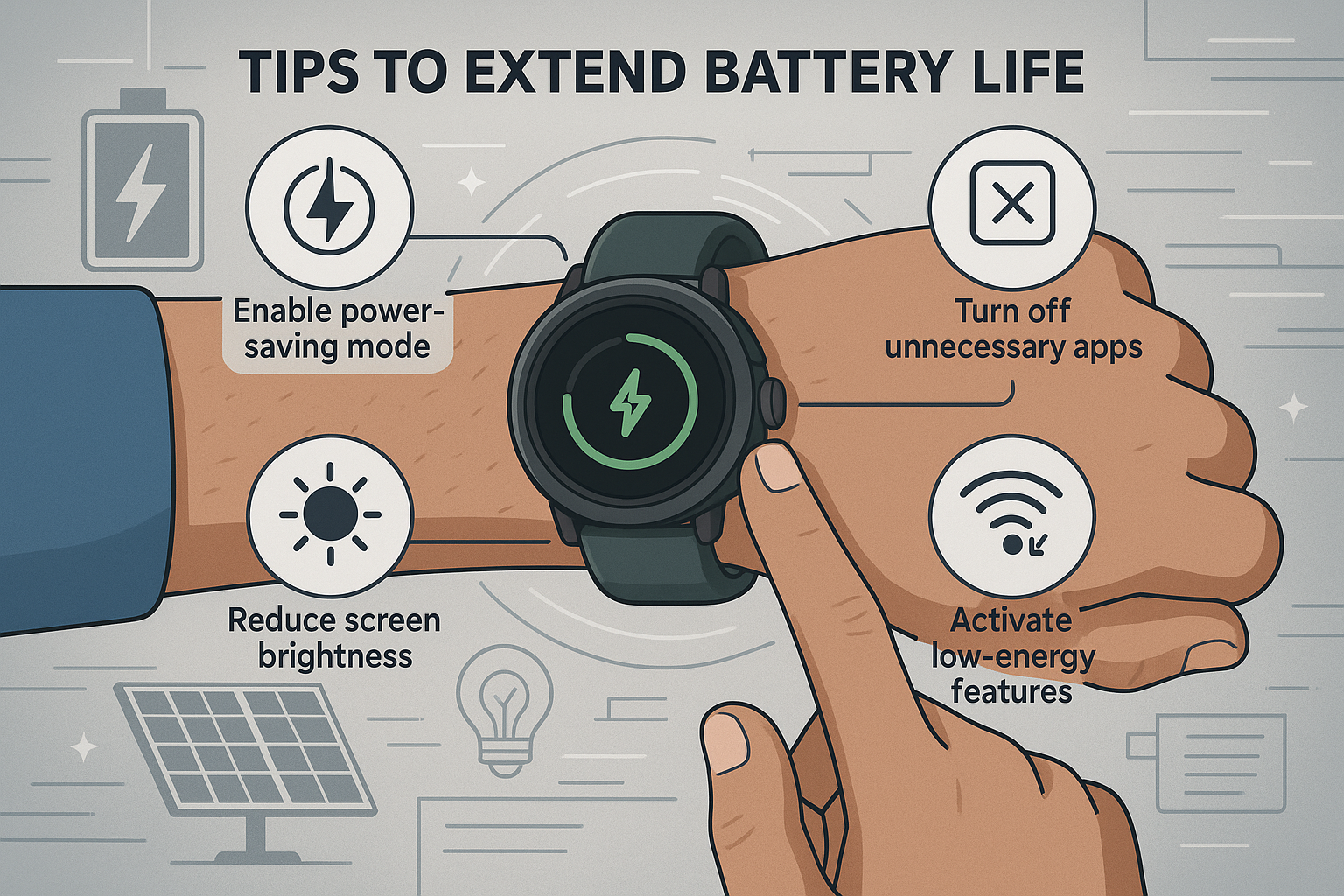
- AI-driven battery optimization that extends usage between charges
- Personalized app and content recommendations based on daily routines
- Automatic photo enhancement without manual editing
Wearable Technology Is Getting Genuinely Useful
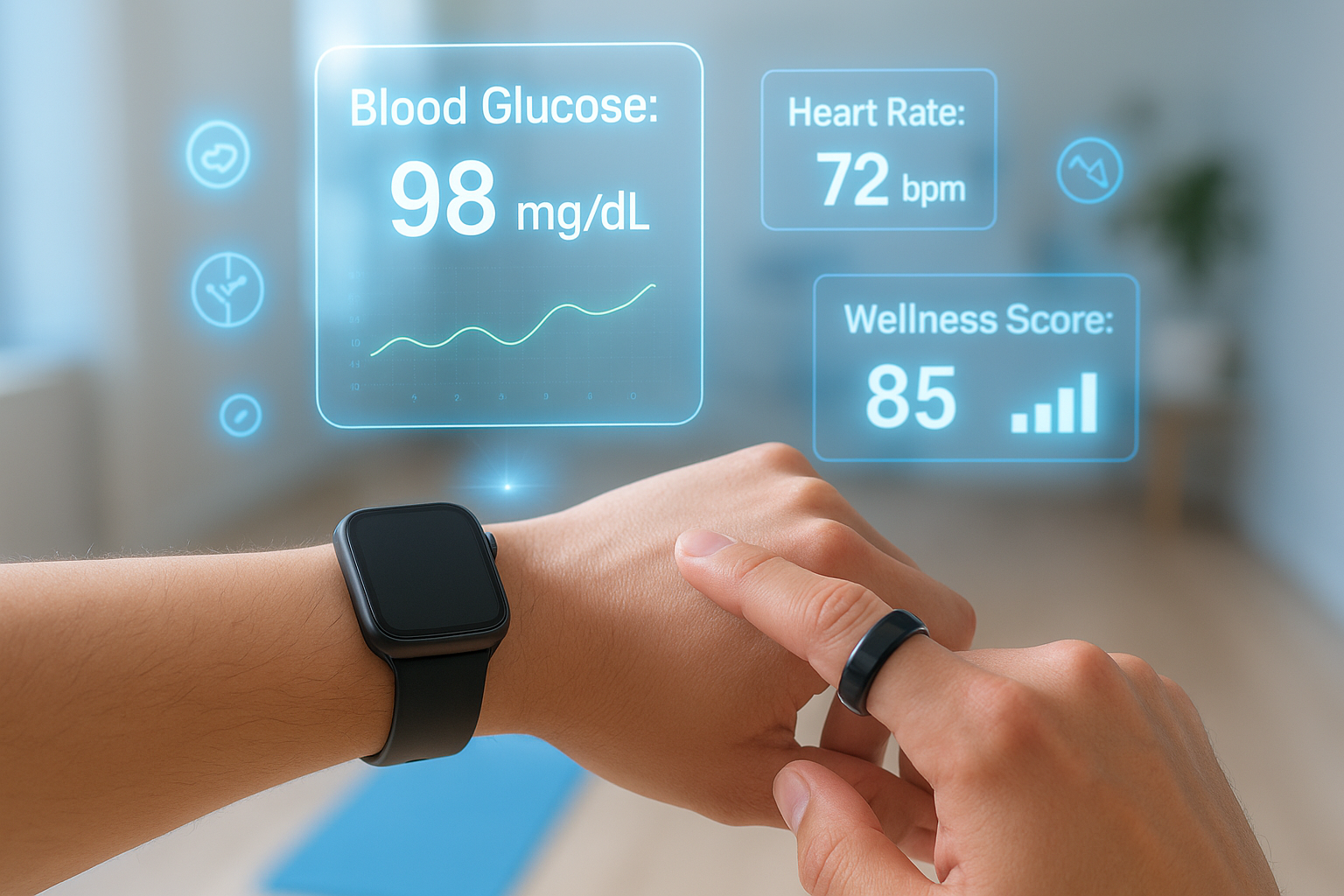
Smartwatches, fitness bands, and smart rings have grown well beyond step counting. AI now powers deep health monitoring features that were once available only in clinical settings. These devices track heart rate variability, sleep quality, stress levels, and workout performance with growing accuracy.
What makes 2026 different is that wearables no longer just collect data. They interpret it. AI analyzes patterns over time and offers personalized suggestions to help users improve their sleep, manage stress, or adjust their exercise habits. This makes wearable technology genuinely valuable for health-conscious consumers and everyday users alike.
Smart Homes Are Learning Your Preferences
The smart home space has matured considerably. AI-powered devices now learn household routines and automate tasks without requiring constant manual input from users.
- Smart speakers can manage schedules, answer questions, and control connected devices through natural conversation.
- Smart thermostats adjust temperatures automatically to balance comfort and energy savings.
- AI security systems detect unusual activity and send real-time alerts to homeowners.
- Smart lighting adjusts brightness and color temperature based on the time of day or user mood.
Together, these features make homes safer, more energy efficient, and easier to manage. The appeal is not just convenience but also the long-term savings on energy bills.
Audio Devices, Cameras, and Voice Assistants Are Leveling Up
Wireless earbuds and headphones have become far more capable. AI now handles active noise cancellation, voice clarity during calls, and automatic sound profile adjustments based on the surrounding environment. Some devices offer real-time language translation, making them useful tools for international communication.
Camera technology has seen equally impressive progress. Smartphones and dedicated smart cameras can now recognize faces, objects, and scenes instantly. They adjust settings on the fly to capture sharper images in low light, reduce motion blur, and produce portrait-quality photos without any photography expertise required.
Voice assistants have also matured. They now understand context, handle multi-step requests, and carry on natural conversations rather than responding only to rigid commands. Users can manage their entire day, from setting reminders to controlling smart home devices, simply by speaking.
Energy Efficiency and Personalization Are Driving Consumer Choices
Two themes stand out clearly in 2026: personalization and energy efficiency. Consumers want devices that feel tailored to them and that do not drain power unnecessarily.
AI addresses both needs. On the personalization side, devices learn individual preferences over time and recommend music, content, apps, and products that match each user’s interests. The more a device is used, the better it understands its owner.
On the energy side, AI manages background processes intelligently, reducing unnecessary power consumption without affecting performance. This extends battery life and supports broader sustainability goals.
| Device Category | Key AI Feature in 2026 | User Benefit |
|---|---|---|
| Smartphones | Real-time translation, photo enhancement | Better communication and photography |
| Wearables | Health data analysis and personalized insights | Improved health and fitness management |
| Smart Home Devices | Routine automation and security alerts | Safer, more energy-efficient homes |
| Audio Devices | Noise cancellation and language translation | Clearer calls and immersive listening |
| Cameras | Scene recognition and auto-adjustment | Professional-quality photos for everyone |
What This Means for Consumers and Businesses
For consumers, the takeaway is straightforward. The devices available in 2026 are more capable, more personal, and more efficient than anything available just a few years ago. Choosing AI-enabled electronics means getting products that improve over time rather than staying static.
For businesses in the technology sector, keeping pace with these trends is not optional. Consumers now expect intelligent features as a baseline, not a bonus. Companies that invest in building smarter, more personalized products will be better positioned to earn customer loyalty and stand out in a crowded market.
Future developments to watch include advanced smart glasses, next-generation wearable health monitors, and fully connected digital ecosystems where all devices work together without friction.
AI is reshaping consumer electronics from the ground up. Whether you are buying a new phone, upgrading your fitness tracker, or building out a smart home, the technology available in 2026 is designed to understand you, adapt to you, and make your daily life noticeably easier. The devices of the near future will not just respond to commands. They will anticipate needs before users even express them.