
Robots have come a long way from simply repeating fixed tasks on an assembly line. With the rise of AI-integrated robotics and Vision-Language-Action (VLA) models, machines can now see their surroundings, understand spoken commands, and take intelligent actions — all on their own. This shift is reshaping how factories, hospitals, warehouses, and farms operate across the world.
What Is AI-Integrated Robotics?
AI-integrated robotics refers to robots that are powered by artificial intelligence, allowing them to go beyond pre-programmed instructions. Instead of following a fixed script, these robots learn from experience, adapt to new situations, and make decisions in real time.
Traditional robots could only move in one direction or perform one specific task. AI-powered robots, by contrast, can:
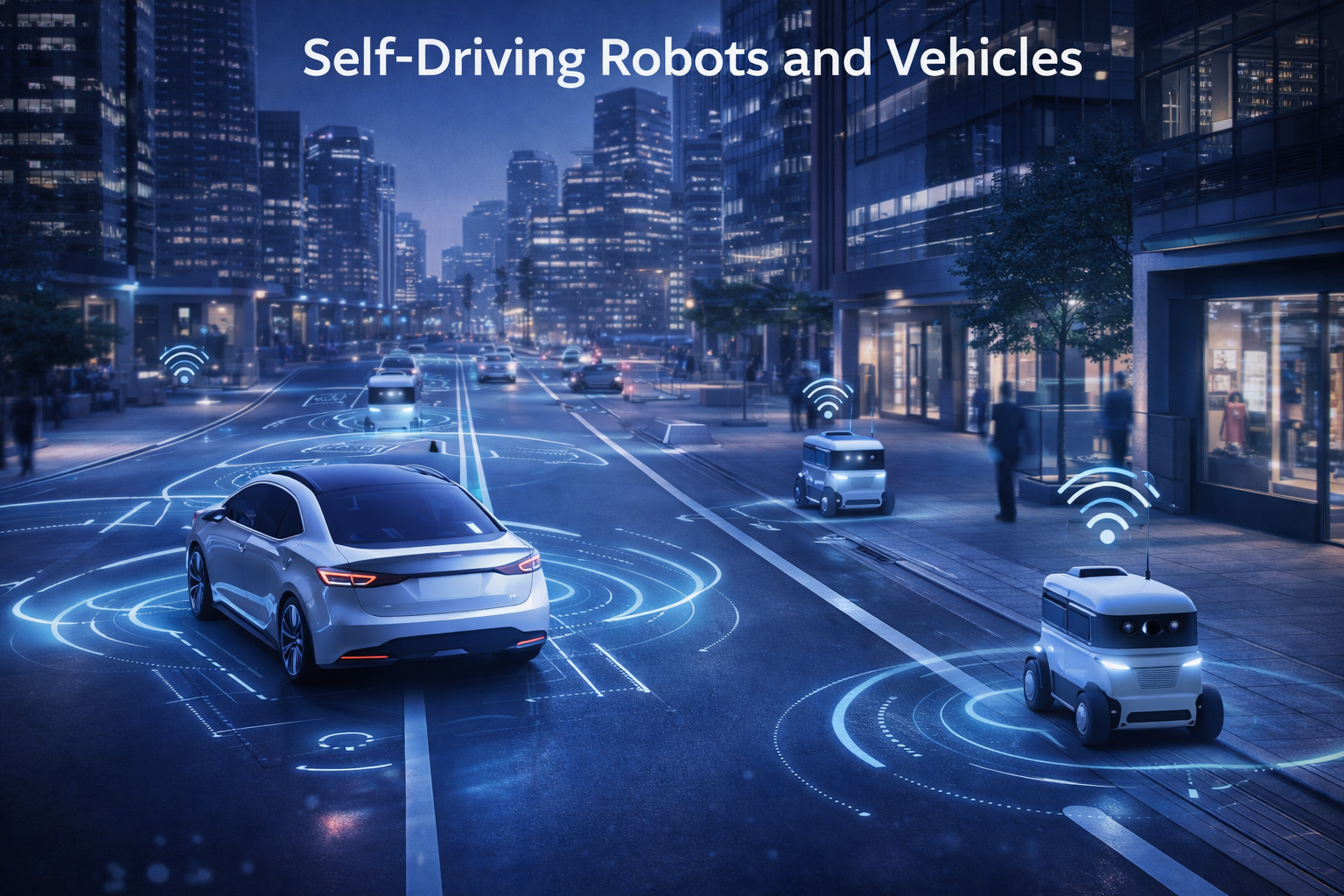
- Detect and avoid obstacles in their path
- Change their route based on what they see
- Learn from past mistakes and improve over time
- Respond to unexpected changes in their environment
Three core technologies make this possible:
- Machine Learning — enables robots to learn patterns from large amounts of data
- Computer Vision — allows robots to process and interpret visual information from cameras
- Natural Language Processing (NLP) — helps robots understand and respond to human speech and text
Understanding Vision-Language-Action (VLA) Models
VLA models are a major step forward in robotics. They combine three abilities into one system:
- Vision — the robot can see and identify objects in its environment
- Language — the robot can understand spoken or written instructions from humans
- Action — the robot can translate what it sees and hears into the right physical response
For example, if you tell a robot, “Pick up the red box near the door,” a VLA-powered robot will:
- Use its camera to scan and identify all boxes in the room
- Understand the meaning of “red” and “near the door” from your instruction
- Select the correct box and pick it up
Google’s RT-2 is one of the most well-known systems demonstrating this capability. It trains robots to respond to real-world situations using both images and language together, making their responses far more accurate and context-aware.
How VLA Models Are Changing Automation
Before VLA models, robots needed to be reprogrammed every time a new task came up. That made them expensive and inflexible. With AI and VLA working together, robots can now:
- Handle new challenges without needing manual reprogramming
- Work safely alongside human workers
- Follow spoken or written directions in real time
- Continuously improve their performance through ongoing learning
This makes them far more practical for businesses that deal with constantly changing environments and tasks.
Industries Where AI Robots Are Already Making a Difference
AI-integrated robots are no longer just a concept — they are actively being used across several key sectors:
| Industry | How AI Robots Are Used |
|---|---|
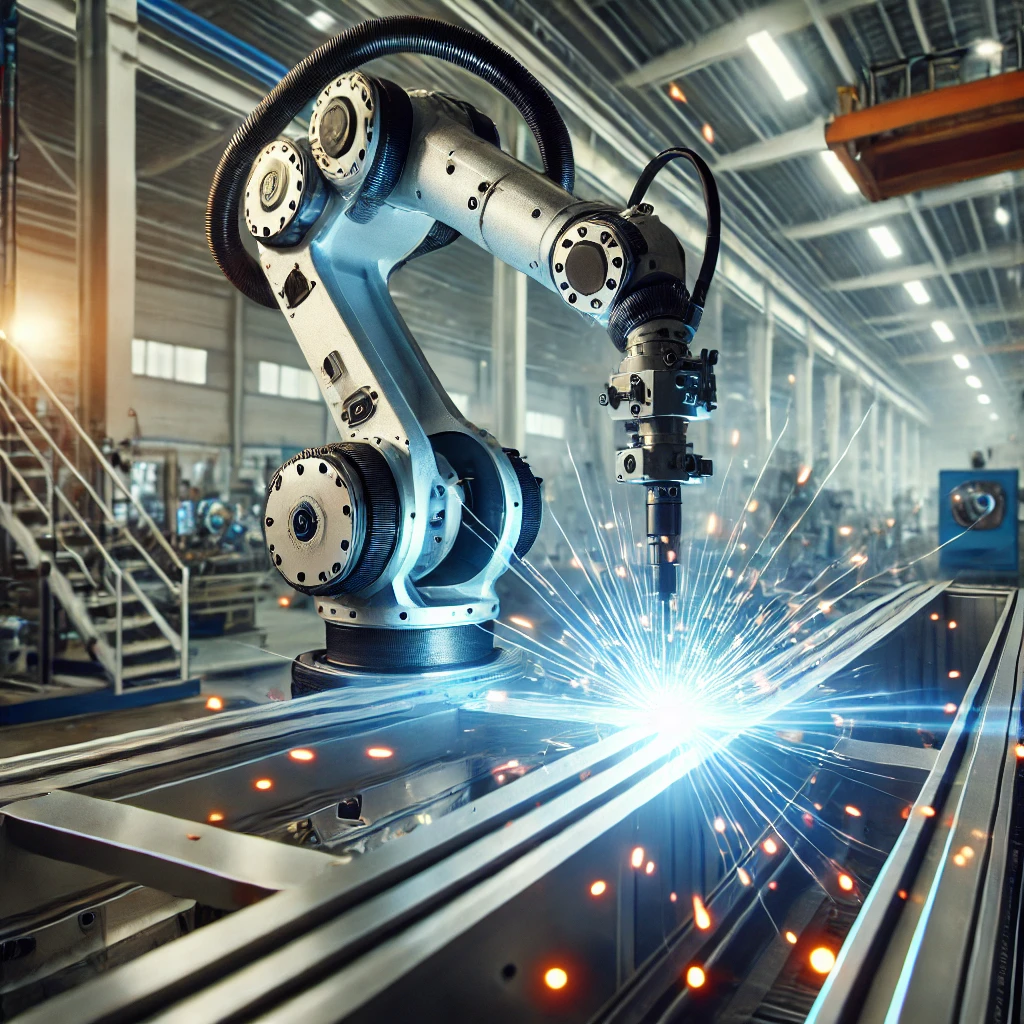
| Manufacturing | Assembling products, packaging goods, and detecting defects on production lines |
| Warehouses and Logistics | Transporting items, sorting packages, and following voice-based instructions |
| Healthcare | Assisting in surgeries and supporting patients with daily activities |
| Agriculture | Identifying and harvesting crops, and spraying fields using vision-based recognition |
Each of these sectors benefits from robots that can adapt quickly, reduce human error, and operate with greater efficiency than traditional machines.
What the Future Holds for AI-Powered Robots
The next few years are expected to bring even more capable robots into everyday life. Key trends to watch include:
- Robots that can hold natural conversations with humans
- Machines that pick up entirely new tasks with minimal training time
- Robots deployed in homes, offices, and public spaces — not just industrial settings
- Greater integration of VLA models with humanoid robot designs
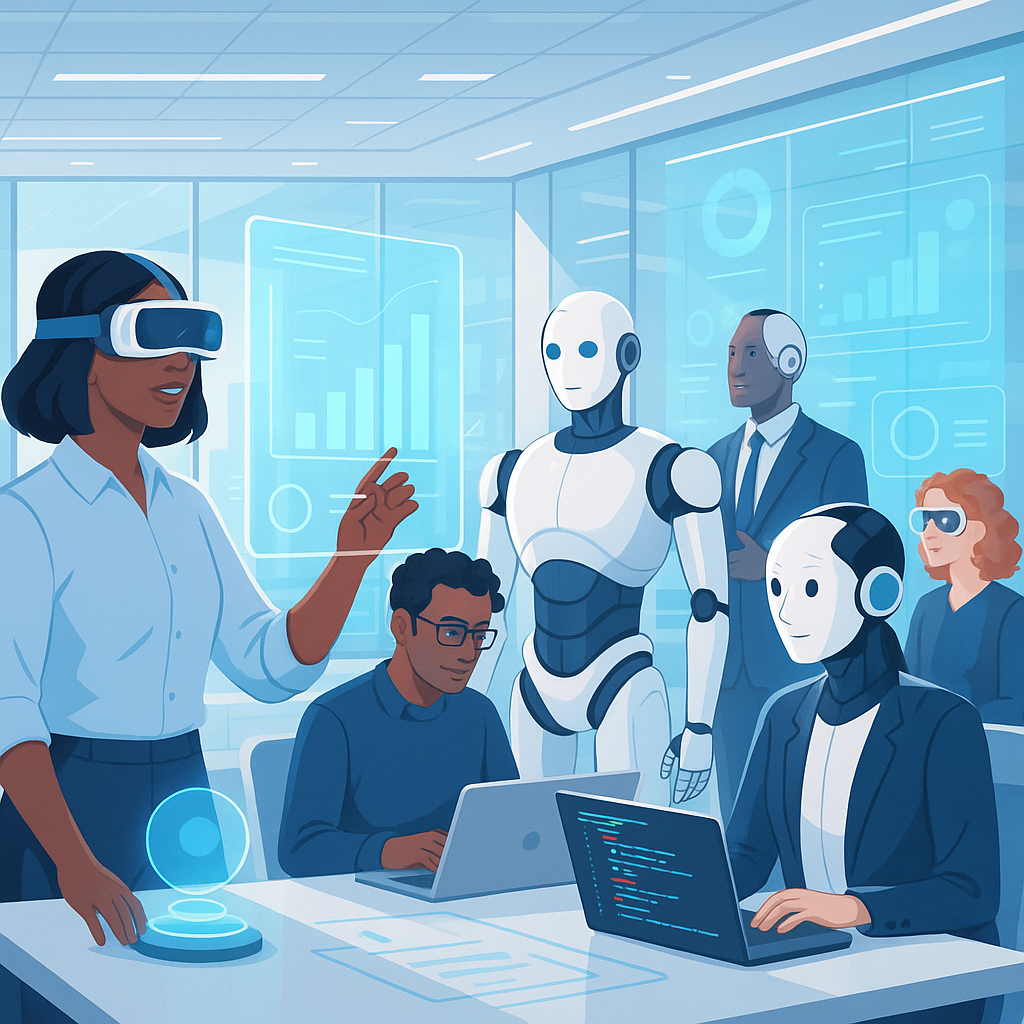
These robots will not just be tools — they will act as intelligent assistants that work alongside people, handle repetitive or dangerous tasks, and free up human workers for more creative and complex roles.
The combination of AI, computer vision, natural language processing, and action-based learning is creating a new generation of robots that are smarter, safer, and more useful than anything seen before. As this technology matures, its impact on industries and daily life will only grow stronger.