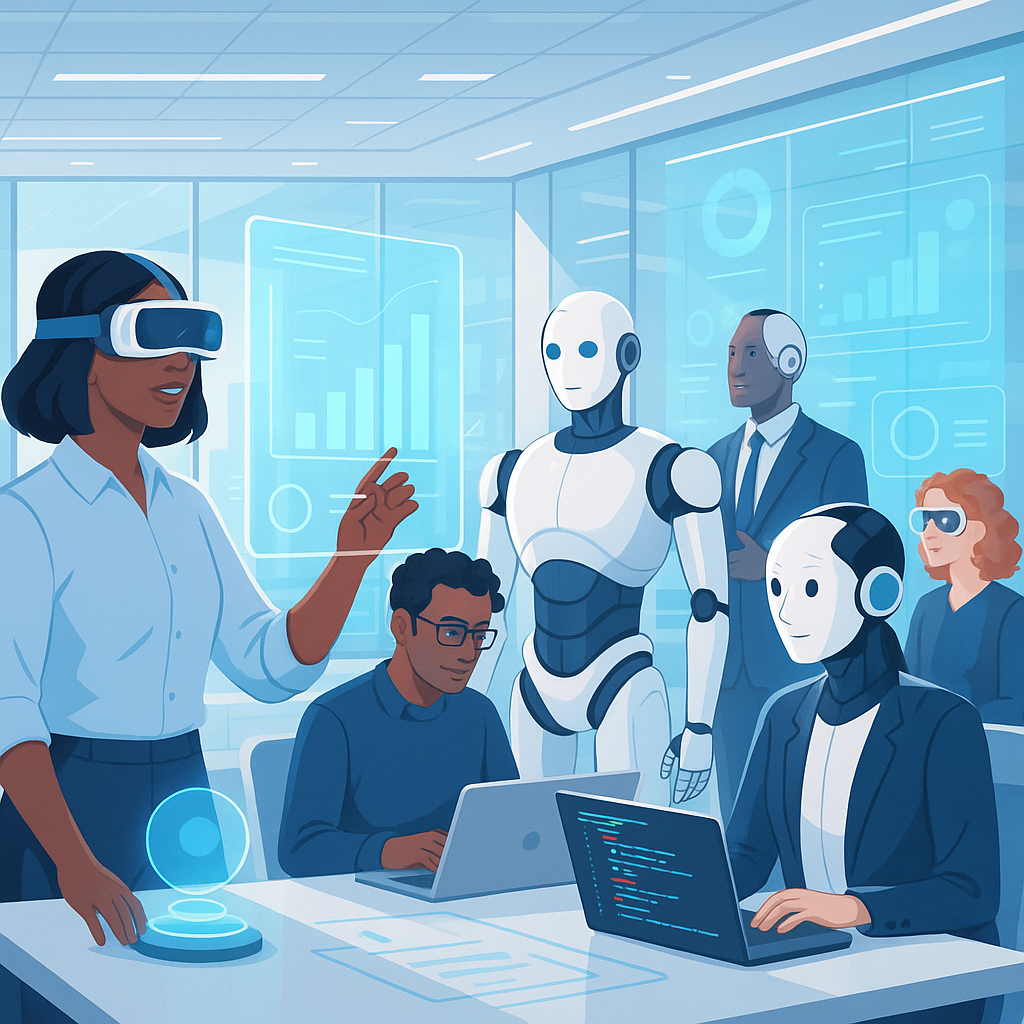

A new wave of artificial intelligence is quietly changing how businesses operate. Called Agentic AI, this technology goes far beyond simple rule-based automation. It can set goals, make decisions, and take independent action — all without waiting for human instructions. From factory floors to hospital corridors, Agentic AI is becoming one of the most impactful technologies of this decade.
What Is Agentic AI and How Is It Different?
Traditional automation systems follow fixed rules. They repeat the same steps and often fail when something unexpected happens. Agentic AI works on a completely different principle — it focuses on achieving outcomes rather than just executing commands.
An Agentic AI system can:
- Understand a goal or objective
- Gather and analyze real-time information
- Create a step-by-step plan to reach that goal
- Adjust its approach when conditions change
- Learn from past actions to improve future performance
Think of it as the difference between a basic assembly-line robot and a digital employee who can think on their feet. If a machine breaks down in a factory, a traditional system halts. An Agentic AI system identifies the problem, reroutes tasks to other machines, and keeps production moving with minimal disruption.
| Feature | Traditional Automation | Agentic AI |
|---|---|---|
| Decision-Making | Pre-programmed rules only | Independent, real-time decisions |
| Adaptability | Limited or none | High — adjusts to changing conditions |
| Learning | No learning capability | Improves over time through experience |
| Human Supervision | Constant oversight needed | Operates with minimal supervision |
Where Agentic AI Is Already Making a Difference
Agentic AI is not a future concept — it is already being deployed across several key industries.
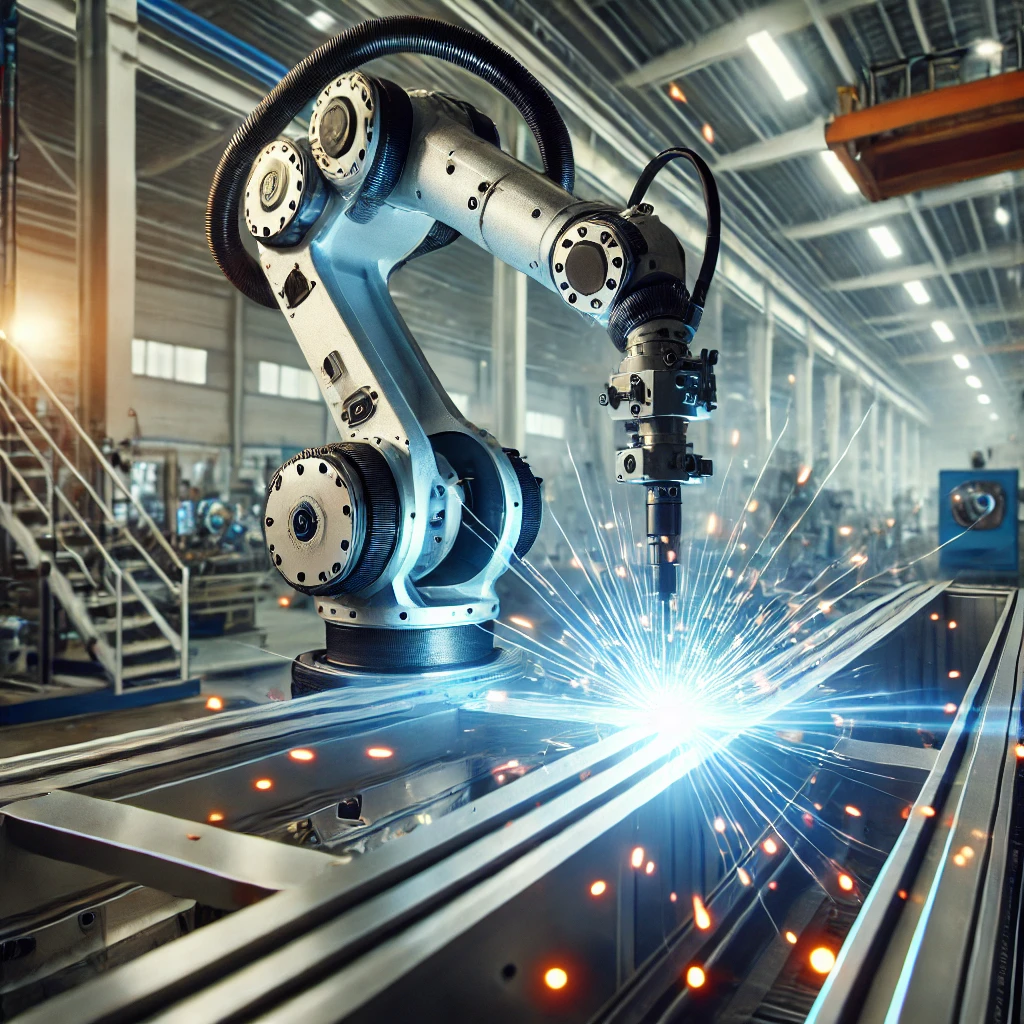
Manufacturing: Smart factories use Agentic AI to monitor production lines, predict equipment failures before they happen, and schedule preventive maintenance. This reduces costly downtime and keeps output levels high. Instead of reacting to breakdowns, manufacturers can now stay ahead of problems.
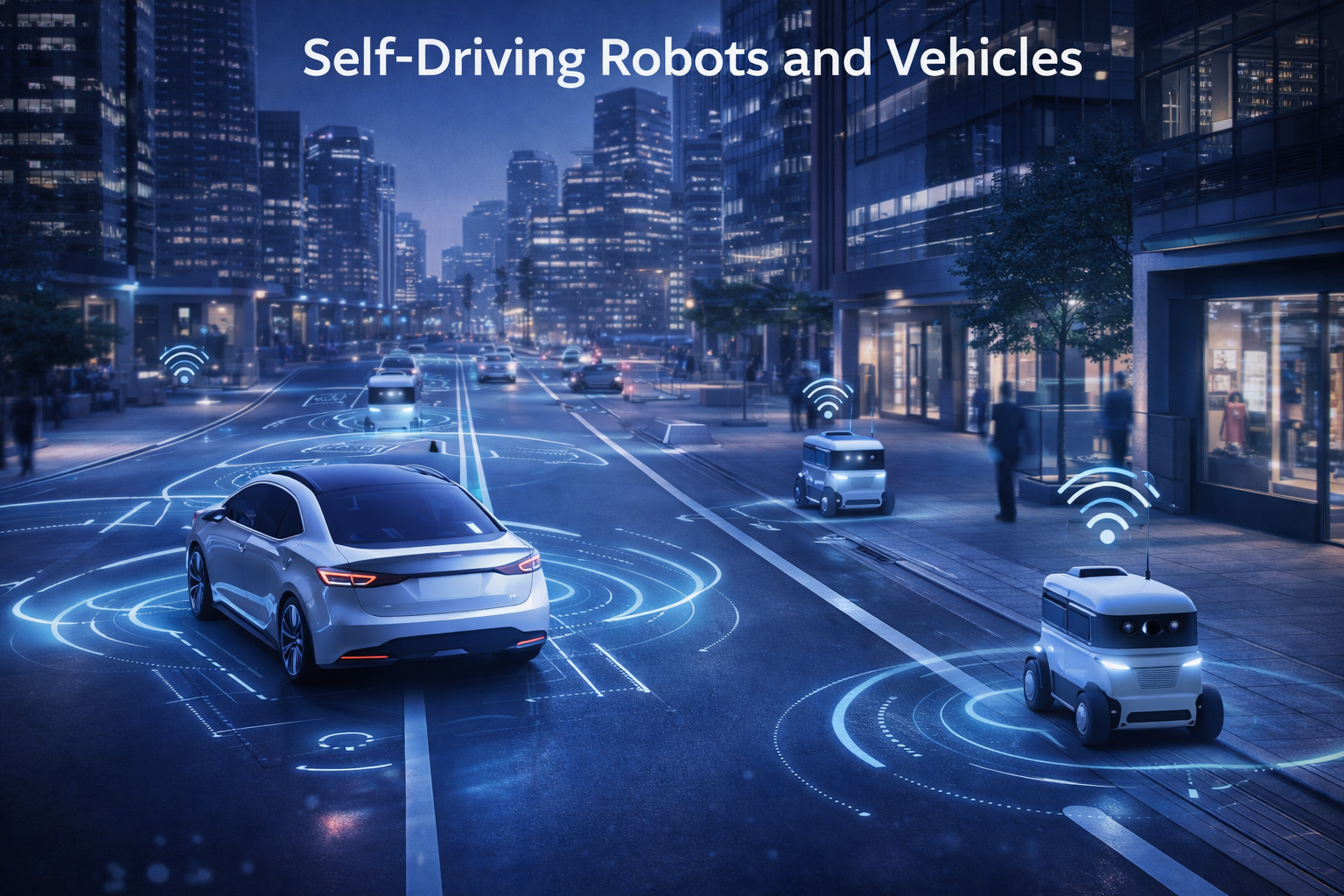
Warehouses and Logistics: In warehouses, Agentic AI coordinates autonomous robots, tracks inventory in real time, and optimizes delivery routes. If a shipment is delayed, the system automatically adjusts schedules and finds alternative solutions — all without human intervention. The result is faster deliveries and lower operational costs.
Customer Service: Unlike basic chatbots that follow scripts, Agentic AI agents understand context, learn from previous conversations, and make decisions that genuinely improve the customer experience. Businesses can offer round-the-clock support while freeing up their human teams for more complex tasks.
Healthcare: Hospitals and clinics are using Agentic AI to manage appointment scheduling, allocate medical resources, monitor patient data, and assist healthcare professionals in making informed decisions. By handling administrative work, the technology allows medical staff to spend more time on direct patient care.
Why Businesses Are Prioritizing Agentic AI Investment
The business case for Agentic AI is straightforward. Companies are under constant pressure to cut costs, improve speed, and stay competitive. Agentic AI addresses all three.
- Higher productivity: Tasks that once required human oversight can now run automatically, around the clock.
- Faster response times: The system reacts to changes in real time, reducing delays across operations.
- Cost savings: Fewer manual processes mean lower labor costs and fewer errors.
- Scalability: Agentic AI systems can handle growing workloads without proportional increases in staffing.
As market conditions shift rapidly, organizations that rely on intelligent automation are better positioned to respond quickly and maintain an edge over competitors still using legacy systems.
Key Challenges That Cannot Be Ignored
Despite its clear advantages, Agentic AI comes with real challenges that businesses must take seriously before full-scale adoption.
Data security and privacy are top concerns. Agentic AI systems process large volumes of sensitive data — from customer records to medical information. Organizations must put strong safeguards in place to prevent breaches and misuse.
Transparency and ethics are equally important. When an AI system makes a decision that affects people — whether it is a healthcare recommendation or a logistics call — businesses need to understand how that decision was reached. Black-box AI is a liability, not an asset.
Workforce readiness is another factor. Employees need training to work alongside intelligent systems effectively. Without proper change management, even the best technology can face resistance and underperformance.
Addressing these challenges head-on is what separates organizations that benefit from Agentic AI from those that struggle with it.
What the Road Ahead Looks Like for Agentic AI
The trajectory for Agentic AI points strongly upward. In the coming years, experts expect this technology to power autonomous supply chains, smart city infrastructure, advanced robotics, and highly personalized digital services.
As computing power grows and AI models become more sophisticated, Agentic AI systems will take on increasingly complex responsibilities. Businesses that begin building their capabilities now — investing in the right infrastructure, data practices, and talent — will be far better prepared for what comes next.
The shift from rule-following machines to goal-achieving autonomous systems is not just a technical upgrade. It represents a fundamental change in how work gets done.
Organizations across manufacturing, logistics, healthcare, and customer service are already seeing measurable results. The question for most businesses is no longer whether to adopt Agentic AI, but how quickly and how strategically they can do so. Those who move with purpose today are building the foundation for a more efficient and competitive tomorrow.
Frequently Asked Questions
Agentic AI is a type of artificial intelligence that can understand a goal, create a plan, and take action on its own without needing step-by-step human instructions. It adapts to changing situations and learns from experience to improve over time.
Traditional automation follows fixed, pre-programmed rules and cannot handle unexpected situations well. Agentic AI can analyze real-time information, make independent decisions, and adjust its approach when conditions change — making it far more flexible and capable.
Agentic AI is currently being used in manufacturing, warehousing and logistics, customer service, and healthcare. It helps these industries reduce costs, improve efficiency, and respond faster to operational challenges.