
Smartwatches, fitness bands, and smart rings are no longer reserved for the wealthy. Across fast-growing economies like India, Indonesia, Brazil, and Nigeria, budget-friendly wearables are finding their way onto millions of wrists — and changing how people think about health and technology.
What Are Mass-Market Wearables?
Mass-market wearables are low-cost smart devices designed to make health monitoring and smartphone connectivity accessible to everyday users. They are not stripped-down gadgets — many pack genuinely useful features at a fraction of the price of premium devices.
- Smartwatches – Display notifications, track fitness, and monitor health metrics
- Fitness trackers – Count steps, measure heart rate, and log calories
- Smart rings – Compact health monitors worn on the finger
- Smart earbuds – Combine audio with health and activity tracking
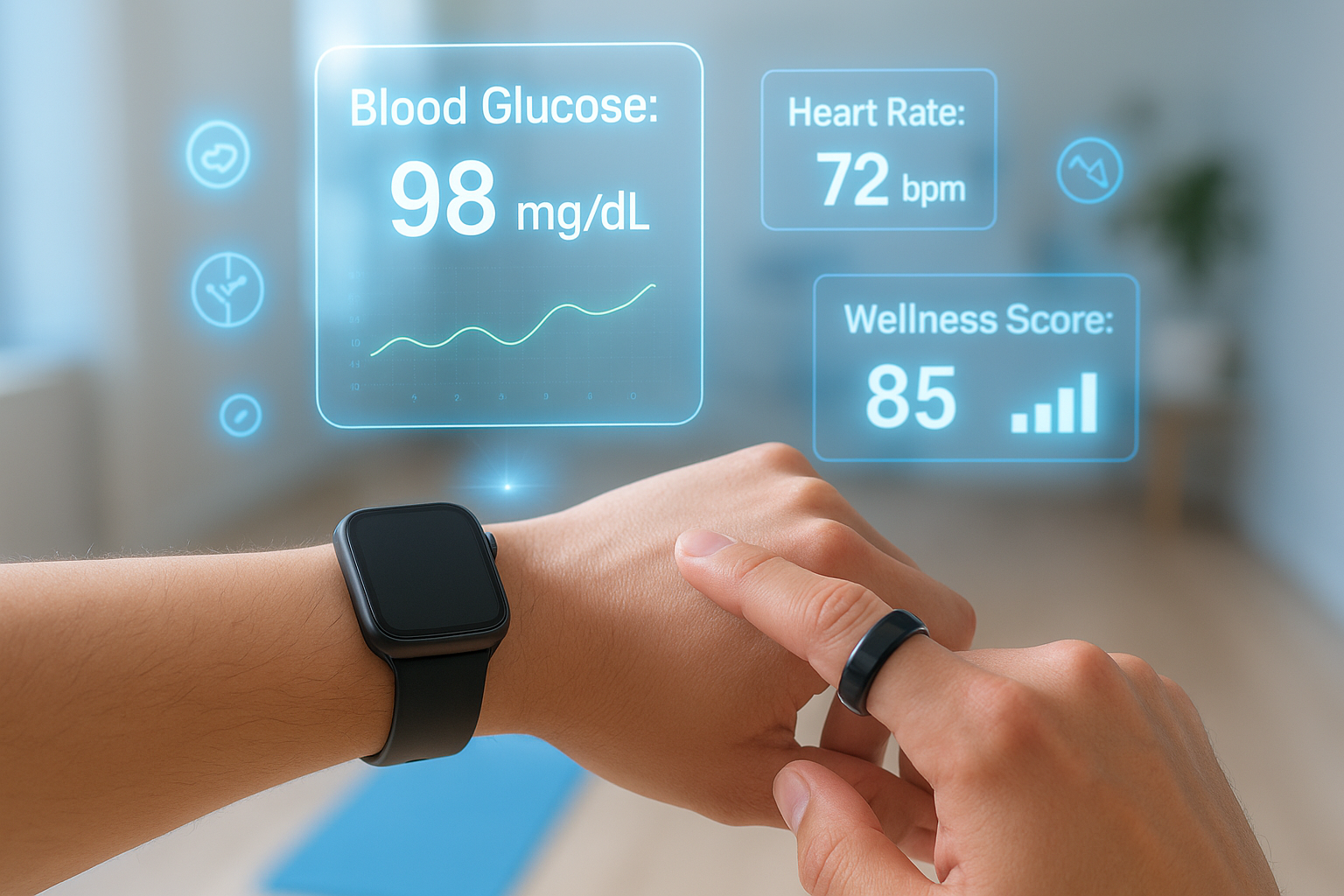
Despite their lower price tags, these devices typically offer heart rate tracking, sleep monitoring, step counting, and phone notifications. The core goal is simple: bring smart technology within reach of everyone, not just premium consumers.
Why Emerging Markets Are Driving Wearable Growth
Countries like India and Indonesia are seeing explosive growth in wearable purchases. Several factors are pushing this trend forward:
- Affordable Android smartphones – Budget phones dominate these markets and pair easily with low-cost wearables
- Cheaper manufacturing – Local production and partnerships with Chinese brands significantly reduce costs
- Young, tech-savvy populations – Youth in these regions actively seek practical and trendy gadgets
- Rising health awareness – Post-COVID-19, more people want to actively monitor their fitness and wellbeing
- Expanding 5G and internet access – Faster, more reliable connectivity makes smart devices more dependable
India’s smartwatch market grew by over 50% in 2024, with homegrown brands like Noise, Fire-Boltt, boAt, and Amazfit leading sales. This growth reflects a broader shift in how consumers in developing economies view personal technology.
Top Brands Winning in Emerging Markets
Local and regional brands have a clear edge in these markets. They understand what buyers want, keep prices competitive, and distribute through both online platforms and physical stores.
| Region | Leading Brands |
|---|---|
| India | Noise, Fire-Boltt, boAt, Pebble |
| China | Xiaomi, Huawei, Realme |
| Southeast Asia | Oppo, Honor |
| Africa | Oraimo, Imose |
These brands succeed because they localise their products — offering regional language support, longer battery life suited to areas with inconsistent power supply, and durable builds that handle heat, humidity, and daily wear.
What Buyers in These Markets Actually Want
Consumers in emerging markets have clear priorities when choosing a wearable. Price matters, but so does practical value. Here is what they look for:
- Accurate health tracking – Heart rate, blood oxygen levels, and step counts
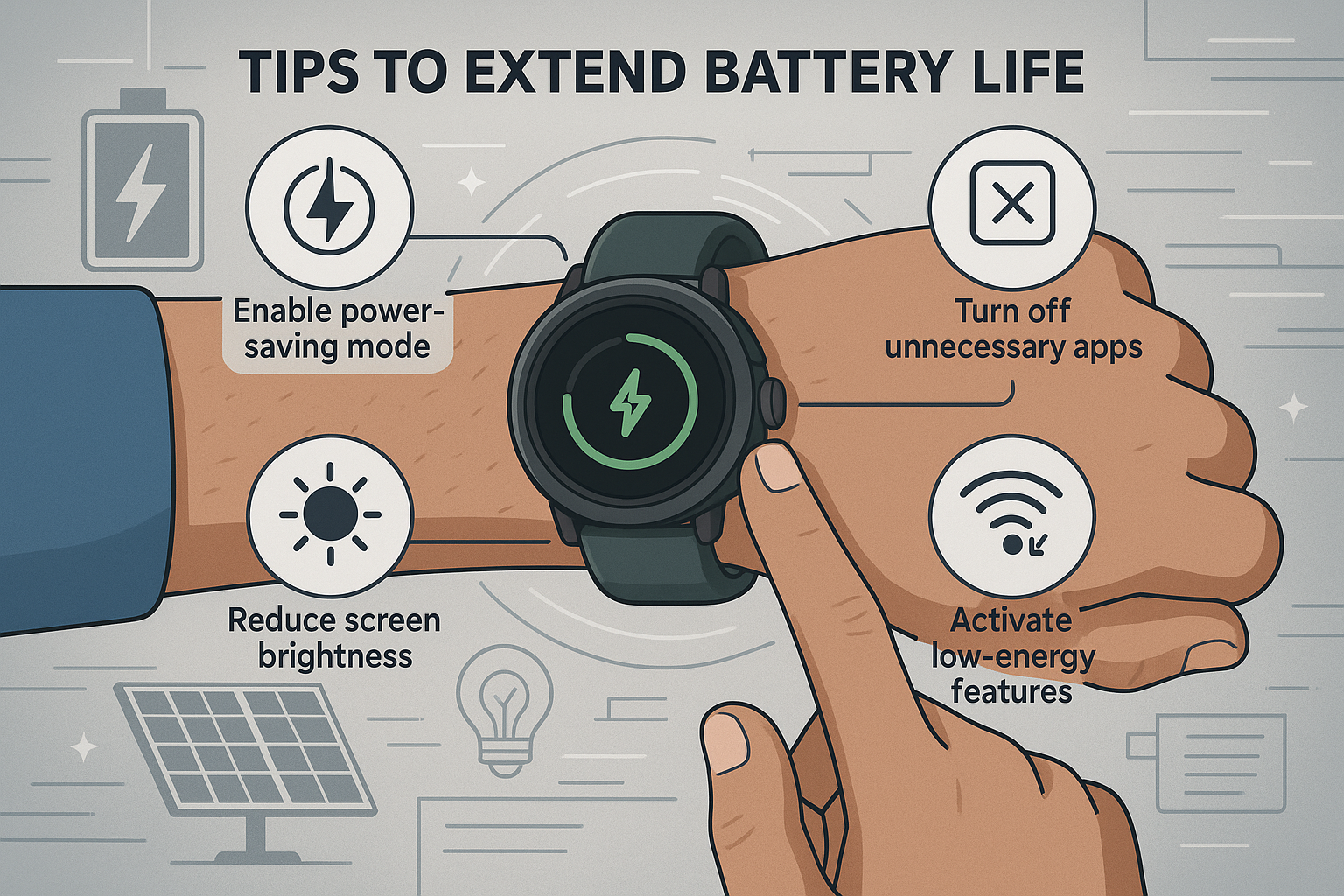
- Long battery life – Devices that last 2 to 10 days on a single charge
- Durable build quality – Water and sweat resistance for active daily use
- Simple smartphone integration – Easy access to calls, texts, and music controls
- Local language support – Interfaces in regional languages for easier use
These features make wearables genuinely useful tools rather than novelty items, which explains why repeat purchases and brand loyalty are growing in these regions.
Challenges Facing Budget Wearables — and What Lies Ahead
The market is growing fast, but it is not without real challenges:
- Inconsistent sensor quality – Cheap sensors can produce inaccurate health readings
- Limited battery capacity – Compact form factors restrict how large batteries can be
- Data privacy concerns – Health data collected by budget devices needs stronger security standards
- Basic smart features – Entry-level models often lack the advanced analysis found in premium devices
However, the trajectory is positive. Upcoming budget wearables are expected to integrate smarter health sensors and personalised insights, including stress and sleep tracking, daily activity suggestions, and compatibility with national health programmes like India’s Ayushman Bharat and Fit India initiatives. As manufacturing costs fall and component quality improves, the gap between budget and premium wearables will continue to narrow.
The affordable wearables segment is on course to move from a nice-to-have gadget category to an essential health and connectivity tool for hundreds of millions of people across the developing world. Brands that invest in accuracy, privacy, and local relevance will be best placed to lead this next phase of growth.