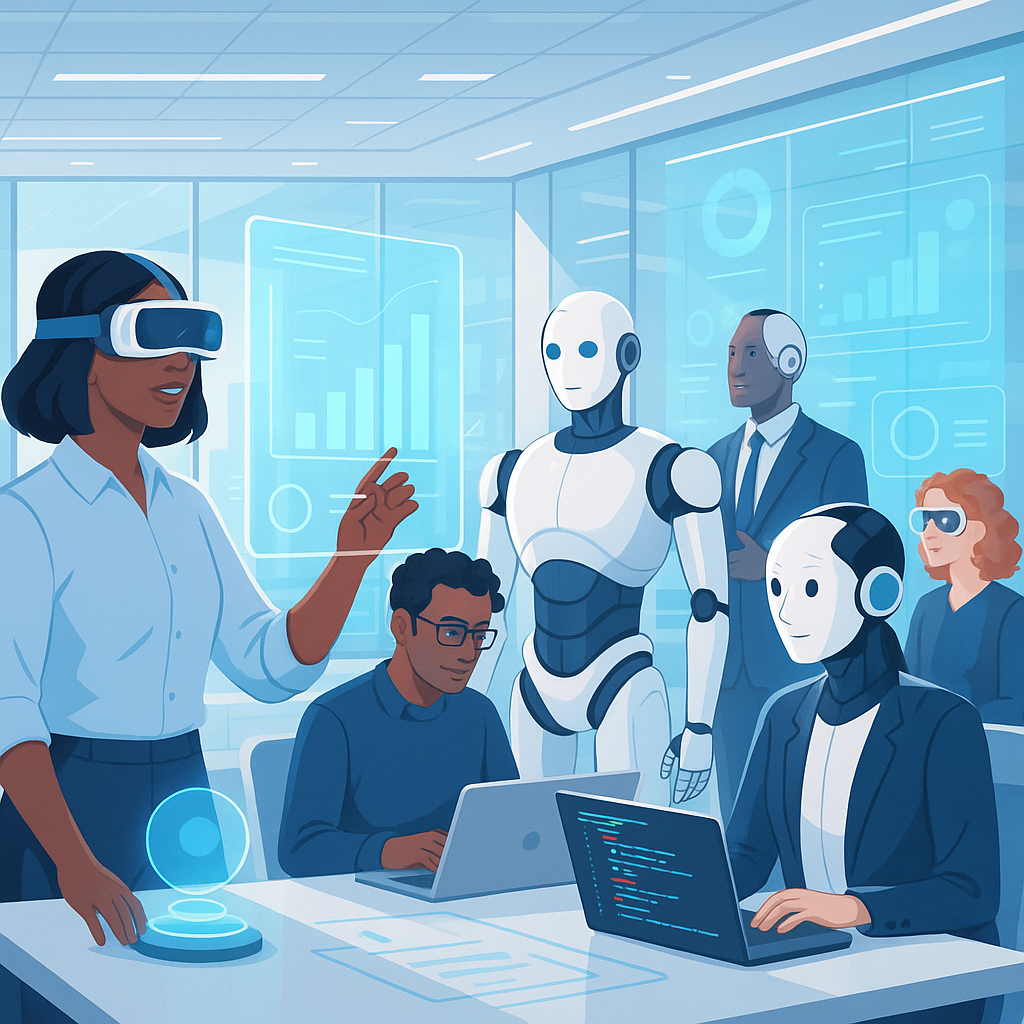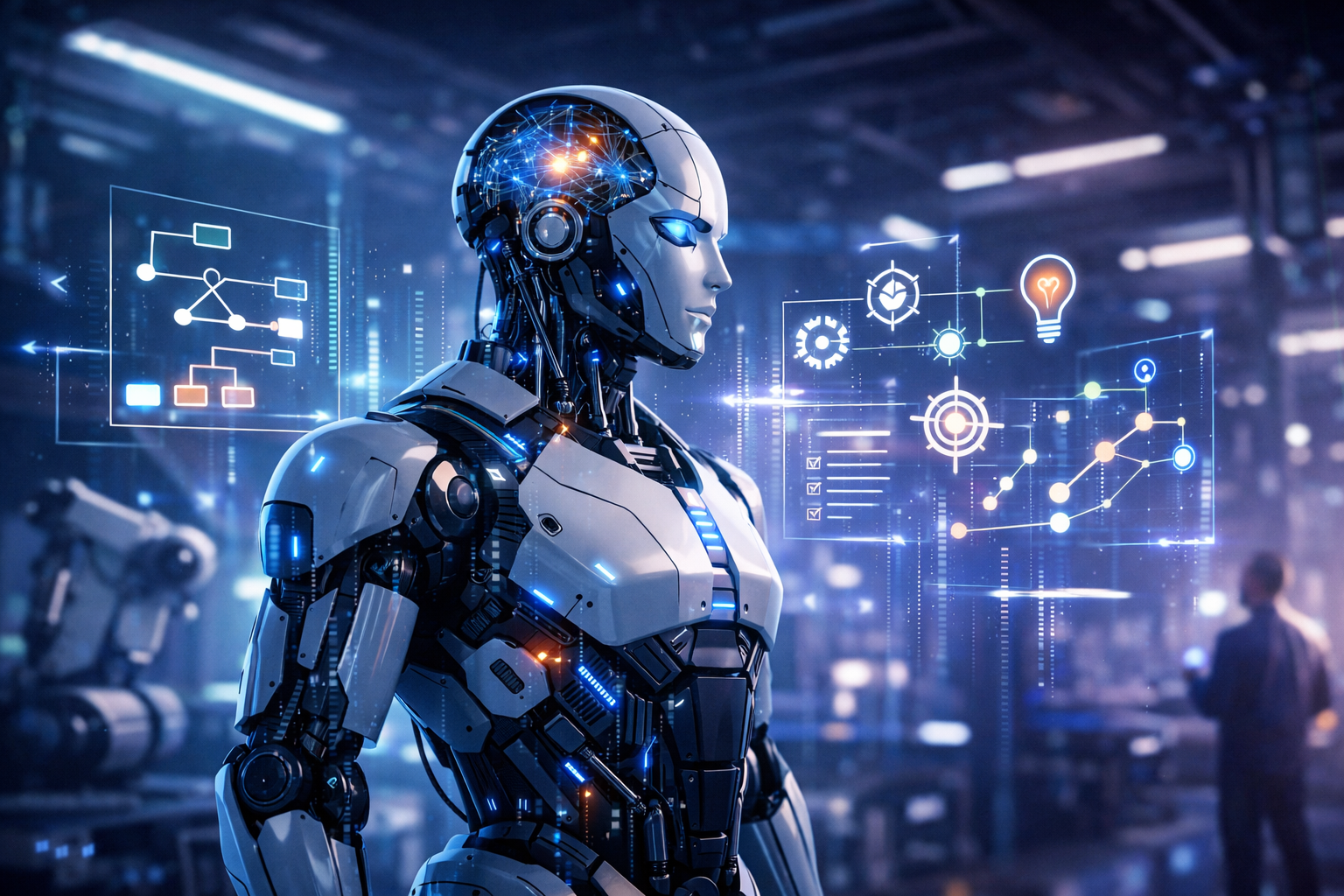
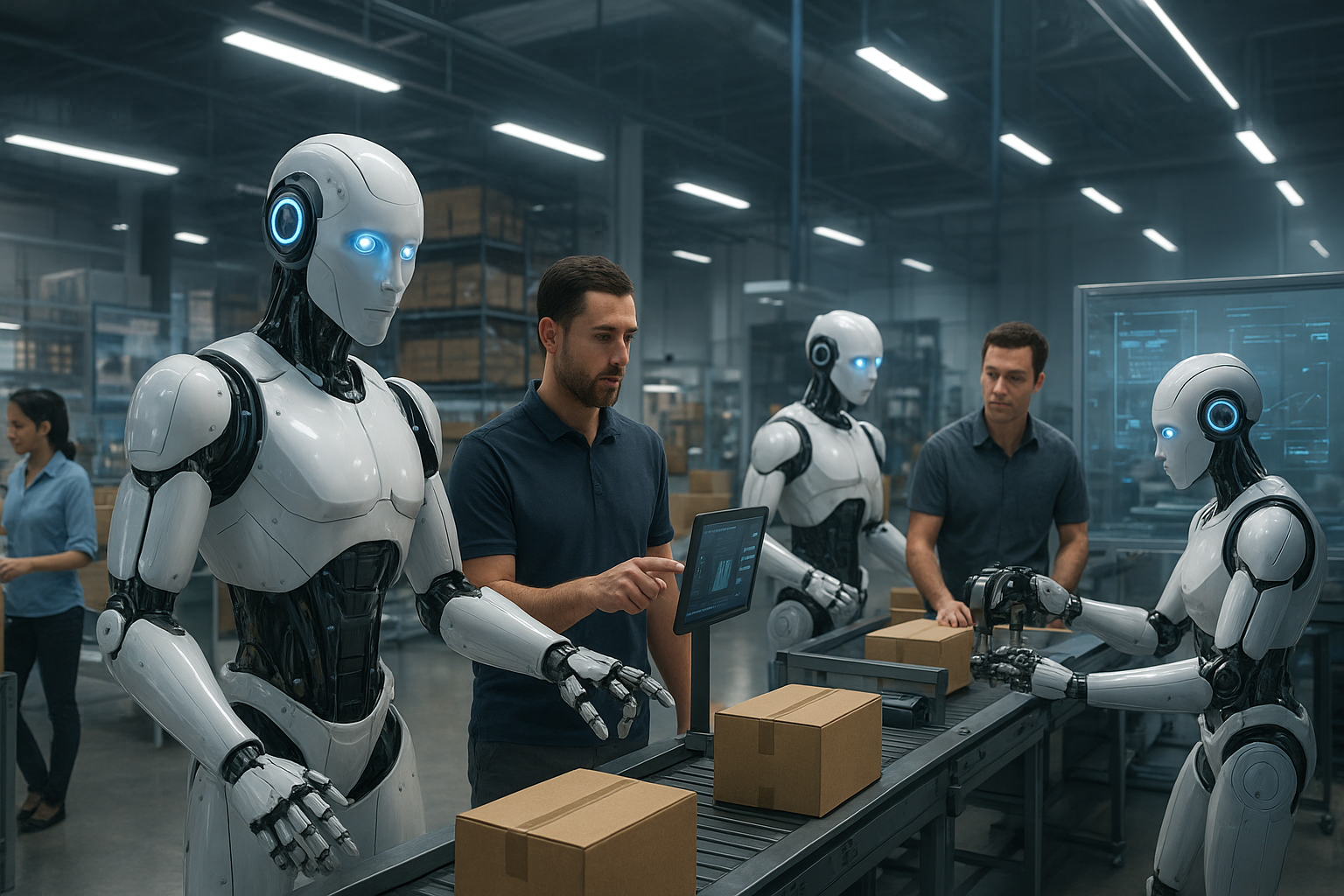
Human-like robots are no longer confined to science fiction or research labs. By 2025 and 2026, humanoid robots are being deployed in real workplaces — from warehouses and factories to hospitals and retail stores. Companies like Tesla, Figure AI, Agility Robotics, and Sanctuary AI are leading this shift, and the results from early trials are promising.
Why Humanoid Robots Are Becoming Practical Now
For decades, humanoid robots were too slow, too expensive, and too unstable for real-world use. That has changed significantly in recent years. Several key technologies have matured at the same time, making these machines genuinely useful on the job.
- Artificial Intelligence: Robots can now understand instructions and adapt to their surroundings in real time.
- Motion control and balancing: Improved joints and leg systems allow smooth walking, climbing, and maneuvering.
- 3D vision and object detection: Robots can identify and handle objects with greater accuracy.
- Battery life: Longer operational hours mean robots can work full shifts without frequent recharging.
- Natural language understanding: Workers can communicate with robots using plain speech.
On top of this, production costs are falling and Robot-as-a-Service (RaaS) subscription models now allow businesses to rent robots instead of buying them outright — making adoption far more accessible for mid-sized companies.
Where Humanoid Robots Are Being Used Today
Humanoid robots are being tested and deployed across several industries. Here is a look at where they are making the biggest impact:
| Industry | Key Tasks |
|---|---|
| Warehouses & Logistics | Picking, sorting, packing, and moving inventory |
| Manufacturing | Assembly line work, tool operation, part handling |
| Retail | Shelving, stocking, customer guidance |
| Healthcare | Delivering supplies, assisting elderly and disabled patients |
| Security | Patrolling, surveillance, monitoring high-risk areas |
How Humanoid Robots Are Helping in Warehouses and Factories
Logistics centers and warehouses are among the first places to adopt humanoid robots at scale. These robots can pick and sort products, move boxes, and assist with packaging and shipping — all without requiring companies to redesign their existing workspaces. Because humanoid robots move and work like humans, they fit naturally into environments built for human workers.
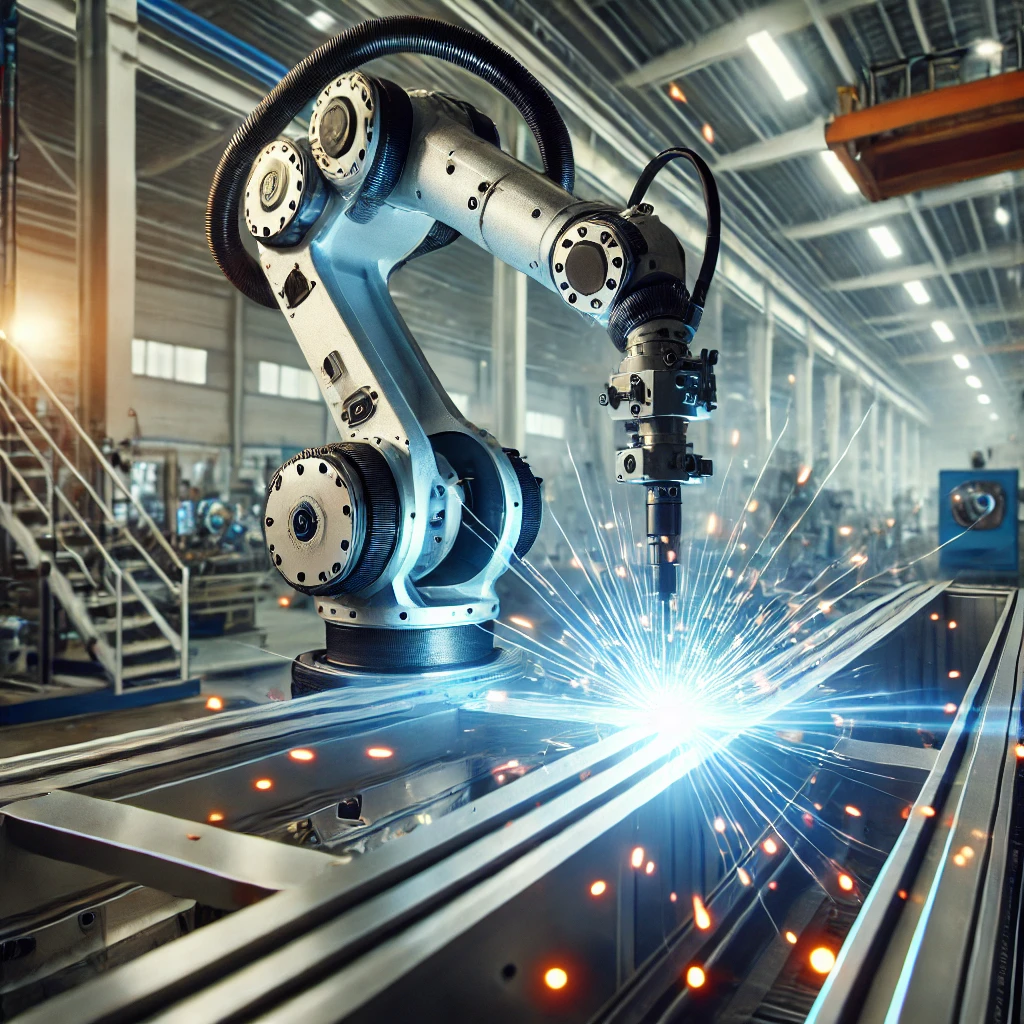
In manufacturing, factories are using these robots to handle repetitive assembly line tasks, bring and assemble small parts, and operate tools and machines. One major advantage is that robots do not experience fatigue. They can extend the workforce during night shifts or off-peak hours without additional staffing costs.
Healthcare, Retail, and Security Applications
In hospitals and elderly care facilities, humanoid robots are helping staff by moving light medical equipment, delivering supplies, and assisting patients with limited mobility. Their human-like appearance tends to make patients more comfortable compared to traditional industrial machines.
Retailers are experimenting with humanoids for shelving, stocking, and checking product availability. Some stores are also testing them for basic customer guidance. In security, robots are being used to patrol buildings and parking areas, detect unusual behavior using AI vision systems, and inspect high-risk locations — keeping human security personnel out of harm’s way.
Why Businesses Are Investing in Humanoid Robots
Across industries, companies are dealing with a common set of challenges: labor shortages, rising wages, and the need for round-the-clock operations. Humanoid robots offer a practical response to all three. Key business benefits include:
- Maintaining productivity 24 hours a day without breaks
- Reducing workplace injuries in physically demanding roles
- Performing a wide range of tasks with flexibility
- Lowering long-term operational costs compared to growing human headcount
Industry experts suggest that humanoid robotics could grow into a multi-billion dollar market within the next decade, with a significant share of the global automation industry shifting toward human-like machines.
The shift is already underway. As costs continue to fall and capabilities improve, humanoid robots are set to become a standard part of the workforce across many sectors — not as a replacement for all human workers, but as a practical tool to handle the tasks that are repetitive, physically demanding, or unsafe for people.
Frequently Asked Questions
Companies like Tesla, Figure AI, Agility Robotics, and Sanctuary AI are among the leading players currently deploying and testing humanoid robots in real industrial environments such as warehouses and factories.
Humanoid robots are currently being used for tasks like picking and sorting products in warehouses, assembly line work in factories, shelving in retail stores, delivering supplies in hospitals, and patrolling in security operations.
Experts do not expect humanoid robots to fully replace human workers. Instead, they are designed to handle repetitive, physically demanding, or dangerous tasks, allowing human workers to focus on more skilled and complex roles.